Month: April 2024

  • Enhancing Agroecosystem Sustainability in Rice Farming through Plant Diversification in Madagascar

    Enhancing Agroecosystem Sustainability in Rice Farming through Plant Diversification in Madagascar

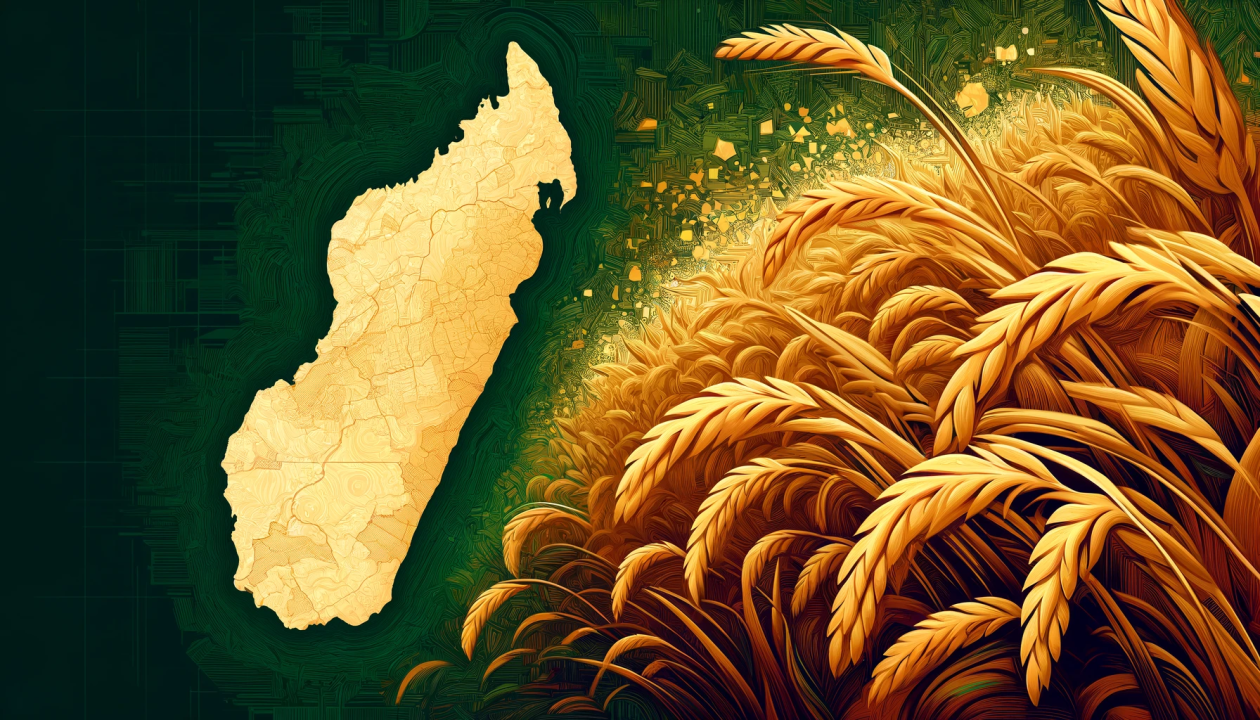
    Rice holds significant cultural and dietary importance in Madagascar, more so than in many other countries. The island ranks among the highest globally in rice consumption, with each Malagasy person consuming amounts that are probably only higher in Vietnam. In Madagascar, rice cultivation is mainly categorized into two methods: rain-fed rice and irrigated rice. Rain-fed rice is an older technique involving hand sowing that predominates on the eastern coast and central highlands. The converse is irrigated rice cultivation, mostly done on terraced fields supported by irrigation systems.

    In the evolving landscape of sustainable agriculture, the strategic importance of plant diversification within farming systems is gaining prominence. This approach, crucial for ecological intensification, boosts ecosystem services such as nutrient cycling, pest and disease management, and overall farm resilience. However, implementing effective diversification strategies that align agricultural productivity with ecological benefits presents a significant challenge, especially in complex agroecosystems like those in the Malagasy highlands.

    A Study on Rainfed Rice Farming

    Low yields continue to challenge traditional rainfed rice farming in the Malagasy highlands, despite the use of diverse cropping systems. A comprehensive study conducted at Ivory Station in the Vakinankaratra region spanned four cropping seasons to evaluate the effects of three crop rotation strategies that integrate legumes, comparing these with traditional rainfed rice monocropping. The strategies explored included: 1. Rice followed by groundnuts (RG); 2. Rice intercropped with sorghum and cowpea (RSC), and 3. Rice followed by a mixture of velvet bean and crotalaria (RVC). These rotations were assessed to determine their impact on soil fertility, pest control, and overall rice yield, aiming to identify sustainable practices that could be widely adopted.

    Three Key Findings

    1. Enhancing Soil Fertility and Crop Nutrition

    Introducing legumes into rotations markedly increased soil nitrogen levels, which is essential for enhancing crop nutrition. The RVC rotation, which utilizes the synergistic effects of velvet bean and crotalaria, was particularly effective. It produced a high volume of biomass and green manure, enriching the soil far beyond the other rotations and demonstrating the potential of strategic crop selection to improve soil health.

    2. Pest and Weed Management

    The study revealed varied success in pest and weed management across the rotations. The RVC rotation was notably effective, reducing weed growth through dense soil cover and robust biomass production. This not only suppressed plant-feeding nematodes but also reduced the overall need for chemical weed control. Conversely, the RG rotation suffered from higher weed infestation due to its lower biomass output, while the RSC rotation struggled with nematode management due to the susceptibility of cowpea and sorghum to these pests.

    3. Impact on Rice Yield and Profitability

    Despite a year without cash crops, the RVC rotation yielded the highest profitability, primarily due to increased rice yields and decreased costs in weeding and fertilization. The RG rotation was also economically viable, benefiting from the dual utility of groundnuts as both a cash crop and a significant source of green manure. These findings underscore the economic potential of integrating diverse cropping systems into traditional farming practices.

    Broader Implications for Agricultural Practices and Biodiversity

    The findings from this study highlight the strategic importance of selecting suitable species and crop combinations that align with local environmental and socio-economic contexts. The contrast between rotations, such as the immediate economic returns from the RG rotation versus the long-term ecological benefits of the RVC rotation, illustrates the potential trade-offs and decisions farmers must navigate. These insights suggest that supporting farmers with robust agricultural policies, education, and localized support systems is crucial for fostering sustainable practices that are both environmentally beneficial and economically viable.

    Madagascar is known for its extraordinary biodiversity, including a wide variety of unique ecosystems such as forests, savannahs, and diverse aquatic habitats. This research into plant diversification within rainfed rice systems in the Malagasy highlands shows promising potential for enhancing ecosystem functions and improving farmer profitability. These strategies could lead to more resilient agricultural practices and better livelihoods for smallholder farmers. However, their successful adoption hinges on adapting to local socio-economic conditions and community readiness for innovative practices. Therefore, ongoing research and tailored agronomic guidance are essential to help communities transition to sustainable and profitable farming methods.

  • Unlocking the Mystery- The Diversity of Eggplant Pests in Southern Ghana and Its Implications for Agriculture

    Unlocking the Mystery- The Diversity of Eggplant Pests in Southern Ghana and Its Implications for Agriculture

    In Ghana, eggplants are not just culinary staples but vital agricultural commodities. Two primary types dominate local markets and exports: the nutrient-rich African eggplant (Solanum aethiopicum) and the globally traded aubergine (Solanum melongena). The African eggplant, also known as the  African Garden egg, is cultivated in many parts of Ghana, though it is equally popular beyond West Africa and is cultivated in East and Southern Africa, where it is an integral part of the cuisine. Yet, these valuable crops face significant threats from arthropod pests, particularly various species of Eggplant Fruit and Shoot Borer (EFSB). Infestations are so common that the price of these vegetables in the market is marked down for harvests from fields with high infestation. I was involved in recent groundbreaking research that has revolutionised our understanding of these pests in southern Ghana, revealing a diversity of EFSB species. This discovery is pivotal, shedding new light on the ecological complexity of pests affecting eggplants and offering new pathways for enhancing agricultural sustainability and pest management.

    Unveiling Pests: A Groundbreaking Collaborative Study

    In response to the ongoing battle with EFSB and its impact on crop yield and quality, a study was conducted across Ghana’s prime eggplant production zones. The targeted areas included the Deciduous Forest and Coastal Savannah agroecological zones, known for their significant agricultural output. The research spanned from March to November, aligning with major and minor rainy seasons to capture the entire lifecycle of the pest. Teams collected infested plant samples, separating eggplant shoots and fruits to extract larvae within their natural habitats. These larvae were then preserved and transported to the University of Ghana, CABI Plantwise Diagnostic and Advisory Service laboratory and the National Institute of Agricultural Botany (NIAB) for detailed morphological and molecular analysis. By comparing DNA sequences with global databases, researchers aimed to accurately identify the EFSB species in Ghana’s eggplants, a critical step in tailoring effective pest management strategies.

    Pivotal Discoveries in Pest Management

    The study unveiled that the threats to Ghanaian eggplants stem not from the previously believed single species, L. orbonalis, but from two previously unreported species, L. africensis and L. laisalis. This finding is monumental, marking a significant shift in our understanding of the pest dynamics affecting eggplant crops. For years, agricultural strategies were misaligned based on incorrect pest identification, potentially leading to ineffective pest control measures. The correct identification of these species paves the way for developing more precise and effective interventions tailored to the specific pests now known to infest Ghanaian eggplants. Moreover, the study’s results highlight the ecological diversity within the EFSB population, suggesting that each species may have unique behaviours and impacts on the crops they infest. Understanding these nuances is crucial for crafting targeted pest management strategies that reduce crop damage and align with sustainable agricultural practices.

    Global Impact, Agricultural and Research Futures

    This research has far-reaching implications for Ghana’s agricultural policy and its economic interactions on a global scale. Accurate pest identification is essential for crafting adequate biological and chemical controls that adhere to international phytosanitary standards. This precision is crucial for maintaining market access, particularly in strict markets like the European Union. Historically, misidentifications have led to export bans that significantly impacted Ghana’s economy. Therefore, our study promotes more sustainable farming practices and supports the nation’s economic stability by potentially mitigating the risk of future trade disruptions.

    On the research front, these findings significantly enhance the scientific community’s understanding of pest ecology in tropical agriculture, serving as a model for nations facing similar pest challenges where eggplant is cultivated. By uncovering new species of eggplant pests and providing a clear path forward, this research has enabled the team in Ghana to engage with local growers in Ghana with the message: “With this new understanding of the pest, we can now develop targeted solutions.”

    How can we achieve this? For meaningful impact, several research directions are proposed. These include conducting genetic diversity studies to analyse the population structure of the newly identified Leucinodes species. Additionally, our interventions would benefit from developing species-specific pheromones combined with light technology for a dual-mode trapping system for better monitoring and control measures. Additionally, the potential role of natural enemies in biocontrol strategies against EFSB larvae should be investigated. This will provide impetus to preserve habitats that maintain these natural enemies, creating more biodiverse habitats and discouraging monocultures. There is excellent scope for the African egg to be part of agroecology cropping systems.

  • Carbon Sinks and Biodiversity-The Surprising Power of Mango Agroforests in Cameroon

    Carbon Sinks and Biodiversity-The Surprising Power of Mango Agroforests in Cameroon

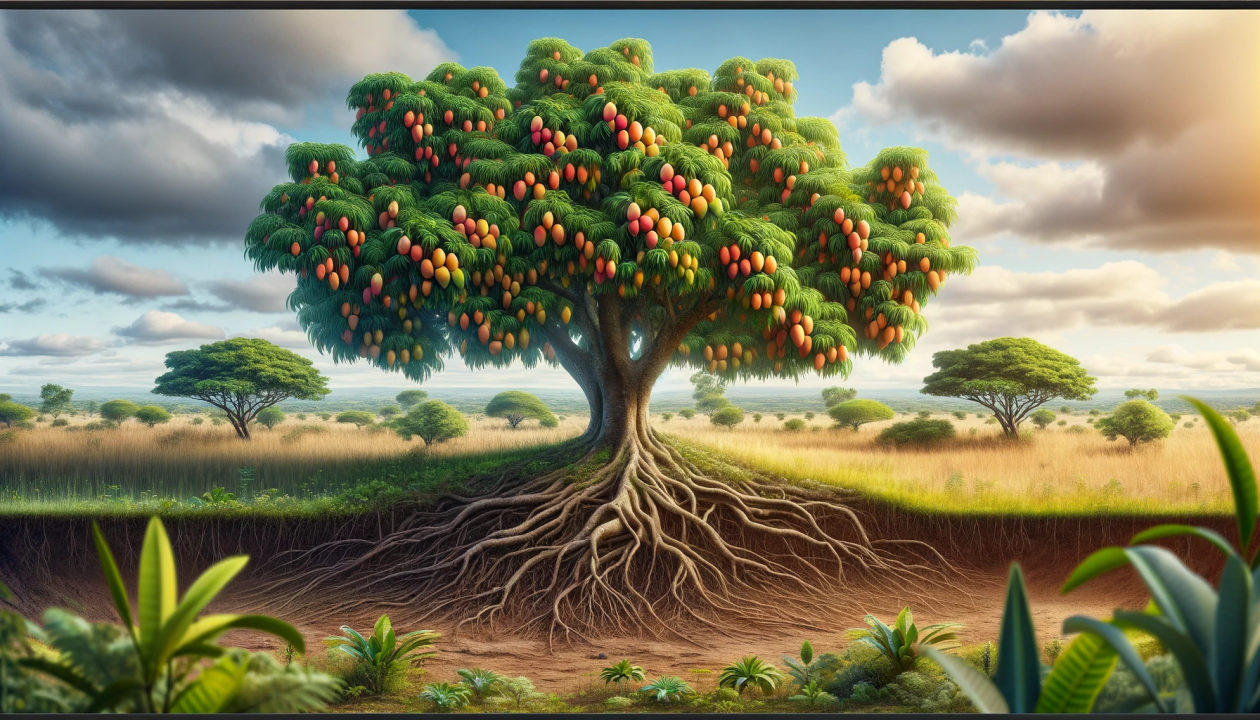
    As the global community grapples with the alarming rise of atmospheric CO2 concentrations, a significant contributor to climate change, innovative solutions are imperative. Among these, agroforestry in the form of mango agroforests in Cameroon offers hope. A 2023 study published by Cameroonian researchers from the Department of Life Science, University of Bertoua, the Department of Biological Sciences, University of Ngaoundere, and the Agricultural Research Institution for the Development, Agricultural Research Polyvalent Station of Minko, Cameroon, a compelling case for their dual role: contributing significantly to carbon sequestration and serving as reservoirs of biodiversity was shown. Their findings represent a unique intersection where agricultural productivity meets ecological responsibility, potentially transforming the landscape of environmental conservation strategies.

    A Dive into Cameroon’s Mango Agroforests

    This research was carried out in the Central African country of Cameroon in the Adamawa region, which is noted for its diverse ecological landscapes. The Adamawa plateau is known as the country’s water castle, and it separates Cameroon into two separate hydrographic regions and two climatic regimes. The study focused on mango stands of three different ages – 5, 15, and 22 years – and compared them against a backdrop of a natural savannah. This comparison aimed to measure the variances in species diversity and carbon storage capacity. To collect data, researchers established community sampling units across various sites. These units enabled a comprehensive understanding of the floristic compositions and ecological structures present. This approach was instrumental in providing valuable insights into how these agroforests function as ecosystems, contributing to the broader narrative of tropical biodiversity and carbon sequestration.

    Surprising Findings: Biodiversity and Carbon Storage

    The study’s results were eye-opening, revealing a fascinating ecological narrative. Mango agroforests, depending on their age, demonstrated noteworthy differences in species diversity and carbon storage capabilities. The younger stands, though less diverse in plant species, showed a notable presence of biodiversity. In contrast, the older stands demonstrated a robust increase in both plant diversity and carbon storage, rivalling and, in some aspects, surpassing the natural savannah. These findings challenge the conventional view about agroforestry systems as mere agricultural lands, positioning them as crucial ecological assets. This revelation posits that mango agroforests can be a critical tool in the fight against climate change, offering a sustainable approach to land use that benefits both the environment and agriculture.

    Environmental and Economic Implications

    These revelations have far-reaching implications, both environmentally and economically. From an ecological standpoint, mango agroforests are proving to be vital habitats for diverse species, including those under threat, and crucial contributors to carbon storage. Economically, quantifying these agroforests’ carbon sequestration capacity opens the door to potential financial rewards through ecological service payments. This offers a sustainable income source and incentivizes the maintenance and expansion of these biodiversity-rich systems. Such economic incentives can play a crucial role in encouraging communities to prioritize ecological considerations in their farming practices, fostering a more sustainable relationship with the land.

    Agroforestry as a Sustainable Development Tool

    This study underscores the importance of agroforestry in sustainable development. Mango agroforests in Cameroon exemplify how integrating trees into agricultural landscapes can create environments conducive to biodiversity conservation and carbon sequestration. Furthermore, by linking these ecological benefits to economic incentives like the carbon market, agroforests can transform into a sustainable livelihood for local farmers. This approach aligns with the sustainable development goals and provides a model for environmental stewardship that can be replicated in other regions. It demonstrates how agricultural practices can evolve to meet human needs and environmental objectives, creating a more sustainable and resilient future.

    Thoughts on the future of mango agroecology: involved and informed citizens

    The insights from Cameroon’s mango agroforests offer a new perspective on the potential of agroforestry in environmental conservation and climate change mitigation. Integrating cutting-edge scientific techniques and citizen participation becomes crucial as monocultures threaten biodiversity and ecosystem health. Citizens can and should be involved in biodiversity monitoring. Techniques such as eDNA-based monitoring do not require specialist training for sample acquisition. This offers an avenue for local communities to actively participate in generating their biodiversity stories. This approach enhances their understanding of biodiversity in mango agroecosystems, which is vital for developing effective conservation strategies. It is citizens who are the ultimate deployers and beneficiaries of sustainable practices. Their engagement can ensure a more balanced and environmentally conscious approach to land use, paving the way towards achieving global sustainability goals.

  • How Shade-Grown Coffee Supports Bird Diversity in Kenya

    How Shade-Grown Coffee Supports Bird Diversity in Kenya

    This article is just long enough for a cup of coffee. The interplay between agriculture and conservation is critical in Kenya, where its forests harbour precious biodiversity. Despite its rich faunal endemism, Kenyan forests are grappling with threats from climate change and human population growth. Coffee cultivation, a major economic driver, presents a paradox. While deforestation for coffee farming is a threat to forest biodiversity, shade-grown coffee – where coffee shrubs grow beneath native trees – offers a silver lining. These farms not only yield a valuable crop but may also provide a sanctuary for bird species, bridging the gap between agricultural development and biodiversity conservation.

    Examining Bird Diversity in Shade Coffee Farms vs. Natural Forests

    In a ground-breaking study conducted in the Central Kenyan highlands, researchers drawn from the Department of Ornithology at the National Museums of Kenya and their colleagues from the Department of Wildlife at the California Polytechnic University set out to explore this intersection of agriculture and avian biodiversity. They compared bird abundance and species richness in shade coffee farms and natural forests. In the shade coffee farms where this study was conducted, there was a noted presence of native trees such as Sudan teak (Cordia africana), African cherry (Prunus africanas), Meru oak (Vitex kiniensis) and ‘Mugumo’ a.k.a the Strangler Fig (Ficus thoningii). These shade coffee systems can provide a habitat for bird species associated with forested habitats. Native shade trees, in particular, can provide microhabitats that are suitable for some forest-associated birds.

    Centering their research around two hypotheses- the forest specialisation hypothesis, which questions the ability of shade coffee farms to support forest specialists, and the feeding guild hypothesis, examining how different bird feeding behaviours are supported by these habitats- they predicted varying suitability of these habitats for different bird species. The study encompassed surveys across several sites, including a shade coffee plantation and two natural forests in Kenya’s capital, Nairobi- Karura Forest and Ngong Road Forest, during key seasonal periods to capture a comprehensive picture of the avian communities. The study offers a rare comparative lens on bird abundance and species richness in these contrasting environments.

    The Surprising Role of Shade Coffee Farms

    Contrary to traditional views of agricultural land as a biodiversity desert, the study found that shade coffee farms hosted higher overall bird abundance and species richness compared to the natural forests examined. This included a surprising prevalence of insectivores in the coffee farms, likely due to the resources provided by shade trees. However, natural forests still proved crucial for some bird species, particularly forest specialists. The bird communities in coffee and forest environments were distinct, underscoring that while shade coffee farms are important for biodiversity, they are not complete substitutes for natural forests. For forest specialists and certain feeding guilds like frugivores, the intact forests remained indispensable sanctuaries.

    Implications for Conservation and Land Use Planning

    This study illuminates the potential of shade coffee farms as allies in conservation. It is crucial to recognise the role of shade coffee in sustaining bird populations without overstating its capacity to substitute natural forests. Such insights pave the way for a nuanced land use strategy, where agricultural expansion is harmonised with the needs of wildlife. As Kenya faces the challenge of balancing agricultural expansion with ecological preservation, this research underscores the importance of incorporating biodiversity considerations into land use planning. By diversifying the agricultural matrix with shade-grown coffee, there is an opportunity to support both the livelihoods of farmers and the conservation of bird species and other flora and fauna. Such an approach is a step towards a more sustainable and ecologically conscious agricultural model. Importantly, this balance is not just vital for Kenya’s ecological future but also serves as a guiding principle for tropical regions worldwide grappling with the dilemma of agricultural development and biodiversity conservation.

    Thoughts on The Future of Coffee Farming and Biodiversity Conservation in Kenya

    Kenya produces some of the world’s best coffee. The study in Kenya’s coffee farms has unveiled a path forward in harmonizing agriculture with conservation, but it is just the beginning. The potential use of modern tools like environmental DNA (eDNA) monitoring could revolutionize our understanding of these ecosystems. The authors did not use this technique- but they did outstanding research with remarkable findings. By employing such advanced techniques, we can delve deeper into the biodiversity present in coffee farms, extending beyond birds to encompass the full spectrum of biodiversity within valuable cropping systems. This innovative approach can guide more effective conservation strategies, ensuring that coffee cultivation supports biodiversity and contributes to the ecosystem’s overall health, ushering in a new era of sustainable farming practices.

  • Unveiling Biodiversity and Agroecology Research from the Global South

    Unveiling Biodiversity and Agroecology Research from the Global South

    The “52 Science Stories” blog emerges as a beacon, illuminating the often overlooked research achievements from the global south. This blog spotlights studies in biodiversity and agroecology, two disciplines that embody the crucial interplay between nature and sustainable agriculture.

    Biodiversity, the diverse tapestry of life on Earth, forms the foundation of ecological health, supporting ecosystem equilibrium and human well-being. Agroecology harmonizes ecological principles with agricultural practices, championing sustainable farming and social justice. Despite their importance, these fields often need to be more represented in mainstream scientific discourse, mainly when originating from the global south. Groundbreaking research frequently goes unnoticed, hindered by resource limitations and geographical biases. This lack of recognition is not just a loss for science but a missed opportunity for global advancement and environmental stewardship.

    “52 Science Stories” aims to bridge the gap between complex research and the general public by unravelling one compelling study from the global south each week, demystifying science through relatable narratives. This approach departs from traditional, jargon-heavy scientific literature, focusing on clarity and engagement. The blog makes science more approachable by illuminating the intricate stories behind the data – the people, locations, and driving forces of these research endeavours. It celebrates the diverse perspectives and innovative solutions emerging from resource-constrained environments.

    The global south, rich in biodiversity and heavily reliant on agriculture, is an untapped wellspring of scientific insights. Studies from smaller, less-resourced laboratories frequently offer groundbreaking perspectives with profound implications for local communities, offering solutions for sustainable living and environmental conservation. These insights can guide global efforts in tackling challenges like climate change, food security, and ecological degradation.

    “52 Science Stories” is more than just a blog; it is a movement to reframe the narrative of scientific research. By bringing the untold stories of the global south to the forefront, the blog aspires to ignite curiosity, inspire a new generation of researchers, and foster international collaboration. Each story is a testament to the transformative power of science and a reminder of the untapped potential in these regions. Together, we can catalyze positive change and recognize the vital role of global diversity in science.