Month: May 2024

  • Revealing South Africa’s kelp-forest biodiversity using eDNA metabarcoding

    Revealing South Africa’s kelp-forest biodiversity using eDNA metabarcoding

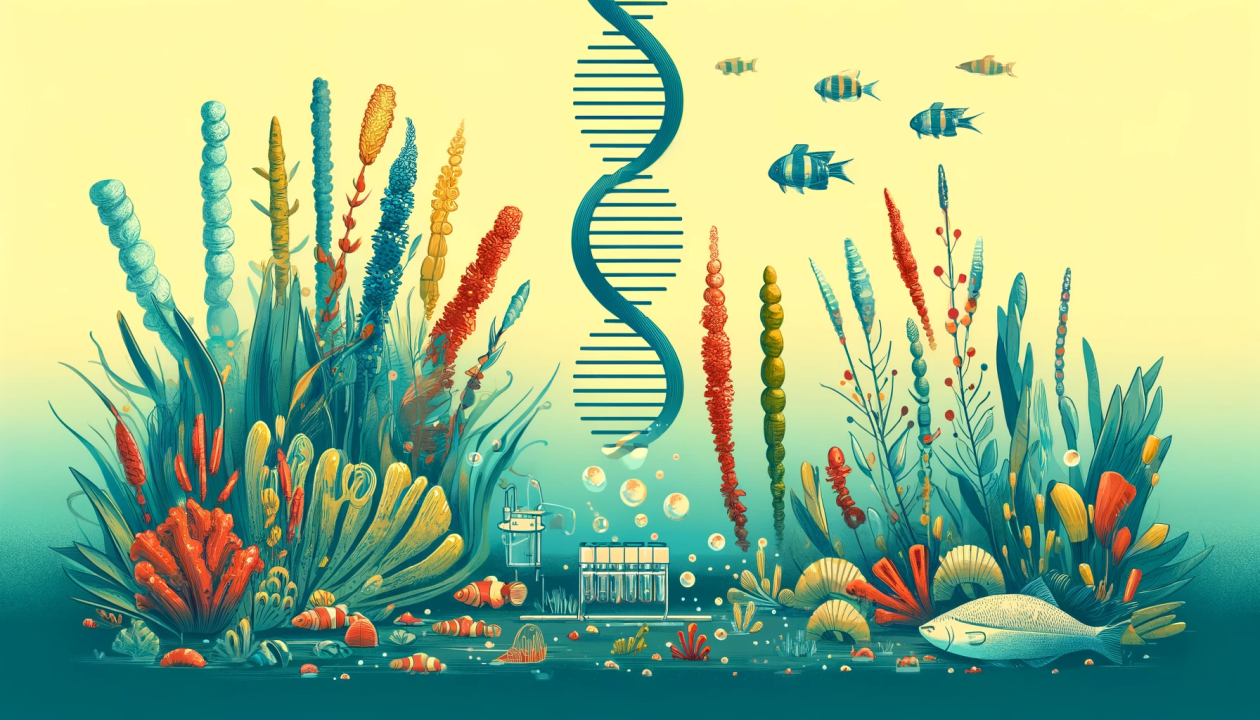
    Kelp forest ecosystems, found in cold, nutrient-rich waters, are vital biogenic habitats that support diverse marine biodiversity. These underwater forests, primarily composed of species like Sea bamboo (Ecklonia maxima) and Split-fan kelp (Laminaria pallida), provide vital ecosystem services and act as ecosystem engineers. The Great African Seaforest, stretching from Cape Agulhas in South Africa to Namibia, is one of the world’s most extensive kelp forests. Unlike many global kelp systems that are declining, this seaforest is expanding due to cooling waters. However, it faces increasing threats from climate change and other human activities, necessitating contemporary and comprehensive biodiversity monitoring.

    Innovative eDNA Sampling and Analysis

    A recent study utilised environmental DNA (eDNA) metabarcoding to assess the biodiversity of these kelp forests within the Great African Seaforest to document and track marine life. eDNA sampling was conducted at Rooiels in the Western Cape, South Africa, which is dominated by bamboo kelp. Over a 24-hour period, water samples were collected every four hours at two depths (1m and 8m) using sterilised bottles. These samples were immediately filtered onshore using filters, which were then preserved with a buffer to maintain the integrity of the DNA captured. In the laboratory, DNA was extracted from the filters using a modified DNeasy Blood and Tissue kit protocol. The extracted DNA was then amplified, targeting both the COI gene and 12S rRNA gene to assess the broad metazoan and specific fish communities, respectively. Sequencing was performed using next-generation sequencing techniques, providing high-resolution data on the species present. This sampling method allowed for the detection of temporal and spatial variations in eDNA signals, offering insights into the biodiversity and community dynamics of the kelp forest ecosystem.

    The Biodiversity of the Great African Seaforest

    The eDNA metabarcoding analysis revealed remarkable diversity, detecting a total of 880 operational taxonomic units (OTUs) representing various marine organisms, including 75 families. OTUs are used in ecology organisms based on sequence similarity. Simply put, OTUs group together organisms with a high degree of genetic similarity, typically using a threshold such as 97% similarity in their DNA sequences. This allows scientists to estimate the diversity and abundance of different species in a sample without needing to identify each one precisely. Among the findings, 44 fish OTUs across 24 families and 11 species were identified. The study also identified many species from groups like jellyfish (Cnidaria), insects and crustaceans (Arthropoda), sponges (Porifera), segmented worms (Annelida), and molluscs (Mollusca). These species were found in both bottom-dwelling (benthic) and open-water (pelagic) environments. Notably, the authors reported the detection of both common and elusive species, such as the Cape urchin (Parechinus angulosus) and pelagic hydrozoans like Muggiaea.

    No significant differences in eDNA signals were found across time and depth, although a trend of higher OTU richness at 8m compared to 1m was noted. This suggests that while eDNA provides a comprehensive snapshot of biodiversity, fine-scale spatial and temporal variations might require more nuanced sampling strategies. Further, multi-primer approaches were crucial in this study, as different primers detected different species, including some not captured by traditional methods.

    Implications for Conservation and Advancing Marine Biodiversity Monitoring with eDNA

    The application of eDNA metabarcoding in the Great African Seaforest significantly advances marine biodiversity monitoring. This study demonstrates the method’s capability to provide detailed, non-invasive assessments of complex marine ecosystems. eDNA is emerging as a crucial tool with high resolution, enabling researchers to accurately document biodiversity changes and assess the impacts of environmental stressors. It is particularly useful in dynamic environments like kelp forests, where traditional survey techniques are often challenging and disruptive.

    The broad taxonomic coverage achieved in this study highlights eDNA metabarcoding’s potential to fill knowledge gaps in understudied ecosystems. By detecting species across various ecological niches and identifying cryptic or elusive taxa, such as polychaete worms and sponges, eDNA metabarcoding uncovers hidden biodiversity. These insights are essential for informing conservation strategies and management practices aimed at preserving vital ecosystems.

    Future research should focus on expanding eDNA reference databases. Enhanced barcoding efforts for local species will improve taxonomic resolution and the accuracy of biodiversity assessments. Additionally, integrating eDNA with traditional survey methods, such as visual monitoring and baited remote underwater video (BRUV) surveys, will provide a more comprehensive understanding of marine communities.

    Long-term and repeated sampling, combined with analyses of biotic and abiotic factors influencing eDNA persistence and dispersal, will further refine eDNA methodologies. Crucially, understanding the temporal and spatial dynamics of eDNA signals will enhance the ability to monitor changes in biodiversity and ecosystem health over time.

  • Tracking the Enigmatic Existence of the African Sharptooth Catfish in Egypt’s Nile River Using Environmental DNA

    Tracking the Enigmatic Existence of the African Sharptooth Catfish in Egypt’s Nile River Using Environmental DNA

    Environmental DNA (eDNA) is revolutionising biodiversity monitoring by allowing scientists to non-invasively collect and analyse genetic material from various ecosystems, such as soil, water, air, or snow. This technique captures DNA shed by organisms through skin, scales, faeces, and other biological materials, eliminating the need for invasive sampling of individual organisms. eDNA has gained significant traction, particularly in aquatic environments, as it enables the detection of species presence and abundance without causing disturbance to the ecosystem or the organisms themselves. This approach is reshaping how we assess and monitor biodiversity, providing a more efficient, cost-effective, and comprehensive method for understanding and protecting biodiversity on Earth.

    The Catfish: A Global Aquatic Citizen

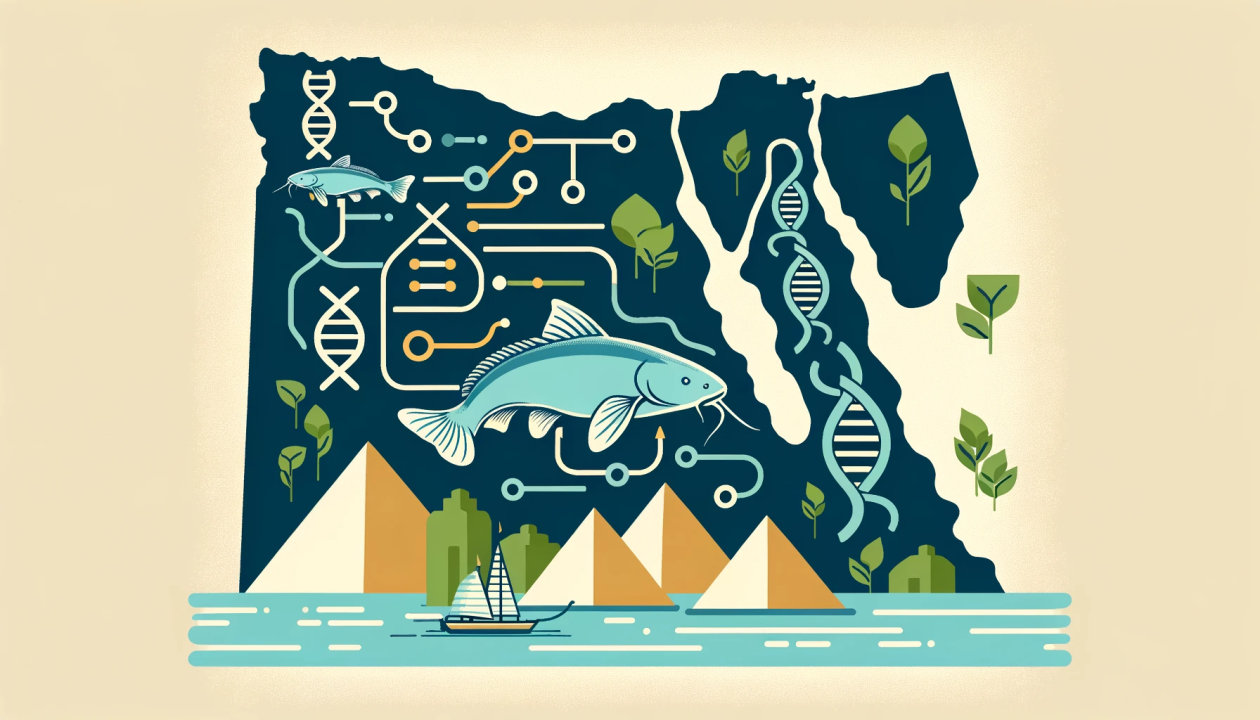
    Catfish, belonging to the order Siluriformes, are found on every continent except Australia. They predominantly inhabit freshwater environments, though some marine families exist. Despite their low market value, catfish play a significant role in the global aquaculture industry. One species, the African sharptooth catfish (Clarias gariepinus), is native to Africa but has spread to countries like India, Thailand, and Brazil, where it has become an invasive species. Its hardy nature and rapid growth have led to its introduction beyond its native range, making it a vital aquaculture species and, concomitantly, a potential ecological threat.

    In Egypt, the African sharptooth catfish ranks as the third most important species for aquaculture. However, aquaculture practices, such as the continuous use of farm-bred strains, have raised concerns about genetic diversity and stock health. A study was conducted to assess the genetic diversity of African sharptooth catfish in Egypt. This study also aimed to develop an eDNA-based tool for monitoring the abundance and biomass of this species in the Egyptian Nile tributaries, providing a model that could be applied globally.

    Harnessing eDNA for Catfish Monitoring

    The researchers began by designing species-specific primers targeting the 16srDNA mitochondrial gene of the African sharptooth catfish. These primers were tested on liver samples from various catfish species to ensure specificity. The experiments then moved to the field. Water samples were collected from four canals in Menoufia Governorate, Egypt. Each canal was sampled in areas reported to have catfish abundance and random upstream points. These samples were processed in the laboratory for eDNA extraction. The eDNA was extracted and quantified using qPCR, a method that amplifies DNA and measures its quantity. This process involved creating a standard curve to determine the DNA concentration in each sample accurately. This method allowed researchers to quantify the amount of catfish DNA in the water samples, providing a measure of the species’ abundance in different locations.

    Why eDNA Matters for Monitoring Catfish

    The study found significant variations in the eDNA concentrations of the Sharptooth catfish across the sampled canals. The highest concentrations were found in the El-Atfy canal, followed by Al-Nenaeia, with lower concentrations in Bahr Seif and Bahr Shebin. These findings indicate that eDNA can effectively reflect the relative abundance of catfish in different habitats. Interestingly, these findings were consistent with reports from local fishermen. Additionally, the study provided insights into the genetic diversity of the species, indicating limited genetic variation within the Egyptian population compared to other African and Asian populations.

    Implications and Future Directions

    The use of eDNA-based monitoring for economically significant and potentially invasive species, such as the African sharptooth catfish, can have far-reaching implications for conservation strategies and aquaculture practices. The eDNA innovative approach offers several key benefits:

    1. Non-Invasive Sampling: By eliminating the need for physical capture and handling of fish, eDNA sampling minimises stress and potential harm to the population, promoting a more ethical and sustainable monitoring practice.

    2. Accurate Monitoring: eDNA coupled with qPCR provides a reliable estimate of species presence and abundance, crucial for effectively managing both native and invasive populations. This information can guide targeted conservation efforts and help implement control measures to mitigate ecological impacts.

    3. Broad Applicability: The development of specific eDNA primers and qPCR assays for the African sharptooth catfish can be adapted and applied to other regions and species, contributing to enhanced global biodiversity monitoring efforts.

    However, it is essential to acknowledge the challenges associated with eDNA analysis. Factors such as water clarity, the presence of PCR inhibitors, and the natural behaviour of the target species can influence the accuracy of eDNA detection. Understanding and accounting for these variables is crucial for the accurate interpretation of eDNA results.

    The Egyptian study on the African sharptooth catfish underscores that eDNA will undoubtedly play an increasingly vital role in efforts to understand, manage, and protect aquatic biodiversity. Integrating eDNA into environmental monitoring toolkits will revolutionise how we approach protecting and sustaining our invaluable aquatic ecosystems. Are you considering using eDNA in your projects? Let us talk more in the comments.

  • eDNA: Transforming Marine Biodiversity Assessments in Seagrass Meadows in Gazi Bay, Kenya

    eDNA: Transforming Marine Biodiversity Assessments in Seagrass Meadows in Gazi Bay, Kenya

    Environmental DNA (eDNA) involves collecting genetic material from environmental samples, such as water, soil, or air, without needing to directly interact with the organisms. This method detects DNA fragments that organisms leave in their environment, providing real-time data on species distribution, abundance, and habitat preferences. Its non-invasive nature, cost-effectiveness, and the ease of standardising procedures make eDNA an appealing alternative to more disruptive techniques. eDNA is reshaping how scientists monitor marine biodiversity, offering a less intrusive and more comprehensive approach than traditional methods. This article examines a groundbreaking study conducted in Gazi Bay, Kenya, where eDNA methodologies have been applied to assess fish diversity within the region’s seagrass meadows, providing invaluable insights into the ecological dynamics of this critical habitat.

    Gazi Bay: An Ecological and Research Overview

    Located on Kenya’s South Coast, Gazi Bay covers approximately 10 km². The bay opens into the Indian Ocean through a relatively wide but shallow entrance in the southern part and is flanked by two creeks. The western creek features two freshwater inflows: River Kidogoweni to the north and River Mkurumunji to the west. This area is home to a rich mosaic of habitats, including shallow waters, seagrass meadows, mangrove forests, and coral reefs. The area is surrounded by a dynamic community heavily engaged in fishing activities, which impacts the bay’s biodiversity. Given its ecological importance and the pressures it faces,

    Gazi Bay represents an ideal site for deploying innovative monitoring techniques like eDNA. The study delineated three sampling sites within Gazi Bay, each representing different habitat interactions: seagrass-mangrove interfaces, seagrass-only areas, and areas where seagrass meets coral reefs. Researchers collected water samples using sterile techniques to avoid contamination. Samples were then preserved on-site in cooler boxes with ice packs and promptly transported to the laboratory for processing.

    At the Kenya Marine and Fisheries Research Institute’s lab, water samples underwent a filtration process using a manifold filtration system with sterile 0.45 µm nitrocellulose filter papers. These filters were immediately stored at -80°C to preserve the DNA. Subsequent steps included DNA extraction using a CTAB-based method, DNA quality and quantity assessment, and preparation for ‘deep sequencing’.

    Enhanced Detection with eDNA can benefit from Expanded Reference Sequence Databases

    The study’s findings demonstrate the effectiveness of eDNA in assessing marine biodiversity. By identifying 63 different fish species from water samples, eDNA proved to be more comprehensive than traditional methods like net catches and visual surveys, which detected 29 and 43 species, respectively. The researchers employed a rigorous verification process, cross-referencing species identifications with global taxonomic databases such as FishBase, WoRMS, and the NCBI database. This process confirmed the presence of each detected species and incorporated taxonomic updates. Out of the 153 historically recorded species, 109 had corresponding 12S rRNA barcode sequences available in the GenBank database, enhancing the reliability of the identification process.

    The study also demonstrated eDNA’s ability to resolve taxonomic discrepancies through detailed genetic analysis. The accuracy of species identification is heavily reliant on the availability of reference sequences in global databases, which can be incomplete or outdated.

    When an anomaly arose during the taxonomic assignment phase, with Siganus fuscescens (Mottled spinefoot) initially identified as the species with the highest proportion of reads, contradicting visual and catch survey data, the researchers employed further molecular analysis and comparison with the NCBI database. This investigation confirmed Siganus sutor (African whitespotted rabbitfish) as the correct species, showcasing eDNA’s capacity to rectify identification errors.

    Further, the researchers conducted a longitudinal analysis by comparing their findings with historical data to assess changes in biodiversity over time. This comparison is important for understanding the impacts of environmental changes and human activities on Gazi Bay’s marine life. The eDNA results aligned with the historical records of 153 fish species and provided updates and corrections to the species list through high-resolution genetic identification.

    Implications of eDNA-based monitoring for Marine Conservation

    The application of eDNA in Gazi Bay has demonstrated the potential of this technology to fundamentally change marine biodiversity monitoring. By providing detailed, non-invasive insights into species diversity and distribution, eDNA can significantly enhance marine conservation strategies. Moving forward, improving and expanding genetic reference databases will be crucial to leveraging the full potential of eDNA analysis. Furthermore, integrating eDNA findings with traditional ecological data can offer a more holistic view of marine ecosystems, facilitating better-informed conservation and management decisions.

    This study enriches our understanding of the marine biodiversity in Gazi Bay and sets a precedent for applying eDNA in marine ecology globally. The insights gained from such research are invaluable for the scientific community and environmental policy-makers aiming to preserve and sustainably manage marine biodiversity in the face of ongoing environmental challenges.

  • Biodiversity Monitoring in Kibale National Park, Uganda, using Leaf Swabs and Environmental DNA (eDNA)

    Biodiversity Monitoring in Kibale National Park, Uganda, using Leaf Swabs and Environmental DNA (eDNA)

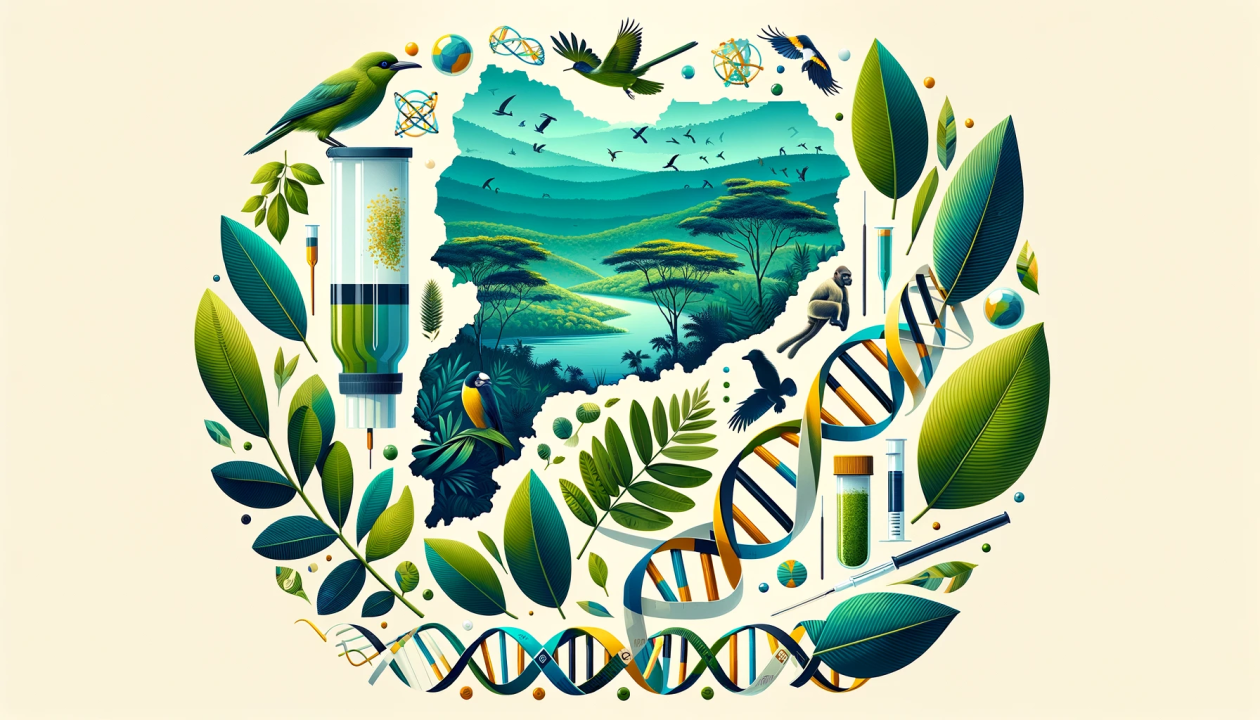
    Terrestrial vertebrates face significant threats from human activities worldwide, leading to rapid biodiversity loss, particularly in the tropics. This loss affects ecosystem functions, such as seed dispersal, and can facilitate pathogen transmission. Monitoring vertebrate distributions is crucial for understanding changes in biodiversity and ecosystems and developing adaptive management strategies. Environmental DNA (eDNA) methods have emerged as promising tools for such efforts. Recent advancements show that terrestrial vertebrates leave DNA in the environment through airborne particles, vegetation contact, or when particles settle. Additionally, DNA can stick to various plant parts. Exploring these new substrates has opened up innovative approaches for terrestrial vertebrate biomonitoring, including swabbing vegetation, using rollers or sticky tape on tree trunks and branches, and collecting eDNA from rainwash and flowers.

    Collecting eDNA from Leaf Swabs

    In a pioneering study, researchers collected leaf swabs at three locations in Kibale National Park, a biodiversity hotspot in Uganda, East Africa. Each of the 24 eDNA samples was obtained by swabbing leaves continuously for three minutes using a swab dipped in a DNA-preserving buffer. After collecting samples, the researchers placed each swab in its own tube containing the DNA-preserving buffer. This buffer protected the DNA on the swabs during transport to the laboratory, eliminating the need for refrigeration. Once in the lab, scientists extracted the DNA from the swabs and analysed it using a technique called “DNA fingerprinting.” They targeted specific genetic markers found in mammals and other vertebrates, running multiple tests on each sample to ensure accuracy. The researchers then filtered out any DNA belonging to humans or domestic animals, focusing solely on the wildlife species of interest.

    Detecting the Hidden Diversity of Terrestrial Vertebrates

    Despite a small sample size, the study detected 52 vertebrate genera, including amphibians, fish, birds, and mammals. What is more impressive is that each cotton swab used in the study managed to pick up DNA from an average of 7.6 different genera. The researchers were able to identify 30 of these genera down to the species level, all of which are known to inhabit Kibale National Park. Among the identified mammals were three flying species, five tree-dwelling species, and five ground-dwelling species. The smallest mammal detected was the Stella wood mouse (Hylomyscus stella), while the largest was the African elephant (Loxodonta africana). As for birds, the study found 13 perching species, three ground-dwelling species, and one species that can adapt to various habitats. The tiniest bird identified was the Variable sunbird (Cinnyris venustus), and the largest was the Grey crowned crane (Balearica regulorum). The results from this study proved that vertebrate DNA can accumulate on leaves. The unique surface of leaves makes them perfect natural DNA traps, opening up new possibilities for non-invasive wildlife monitoring.

    Implications in Biomonitoring and Conservation Research

    The results show that leaf swabs are effective for detecting a broad range of terrestrial vertebrates, including cryptic, nocturnal, and arboreal species. Traditional survey methods, such as camera trapping, often miss these species and require extensive time to collect and analyse data. In contrast, the eDNA swabbing method provides a rapid and broad assessment of terrestrial biodiversity. Swabbing is more straightforward and quicker than airborne eDNA collection, requiring only basic equipment and taking minutes per sample. Moreover, swabs can be easily automated in diagnostic labs, facilitating large-scale biomonitoring. Given its simplicity and high detection rate, this method could revolutionise terrestrial biomonitoring, enhance conservation efforts, and support citizen science initiatives, helping to track ecosystem changes and inform adaptive management.

    Pioneering a New Era in Ecological Monitoring

    The eDNA swabbing approach is a game-changer for monitoring terrestrial vertebrates. It offers a tool to broadly sample biodiversity, addressing the limitations of visual observation methods and providing a scalable solution for large-scale biomonitoring. Unlike passive air sampling, which has a lower vertebrate detection rate and requires extensive setup, the swabbing method is straightforward, efficient, and easily integrated into existing workflows. The study’s findings underscore the potential of leaf swabs for tracking changes in ecosystem composition and function, influenced by human activities. This approach supports adaptive management strategies and enhances conservation efforts by facilitating rapid, large-scale data collection. The low-tech, simple collection method is ideal for citizen science projects and can be a powerful tool for ecosystem monitoring and management. The breakthrough discovery of using leaf swabs for eDNA collection presents a promising future for terrestrial vertebrate biomonitoring, emphasising the need for continued research and application in diverse environments.