
Month: August 2024

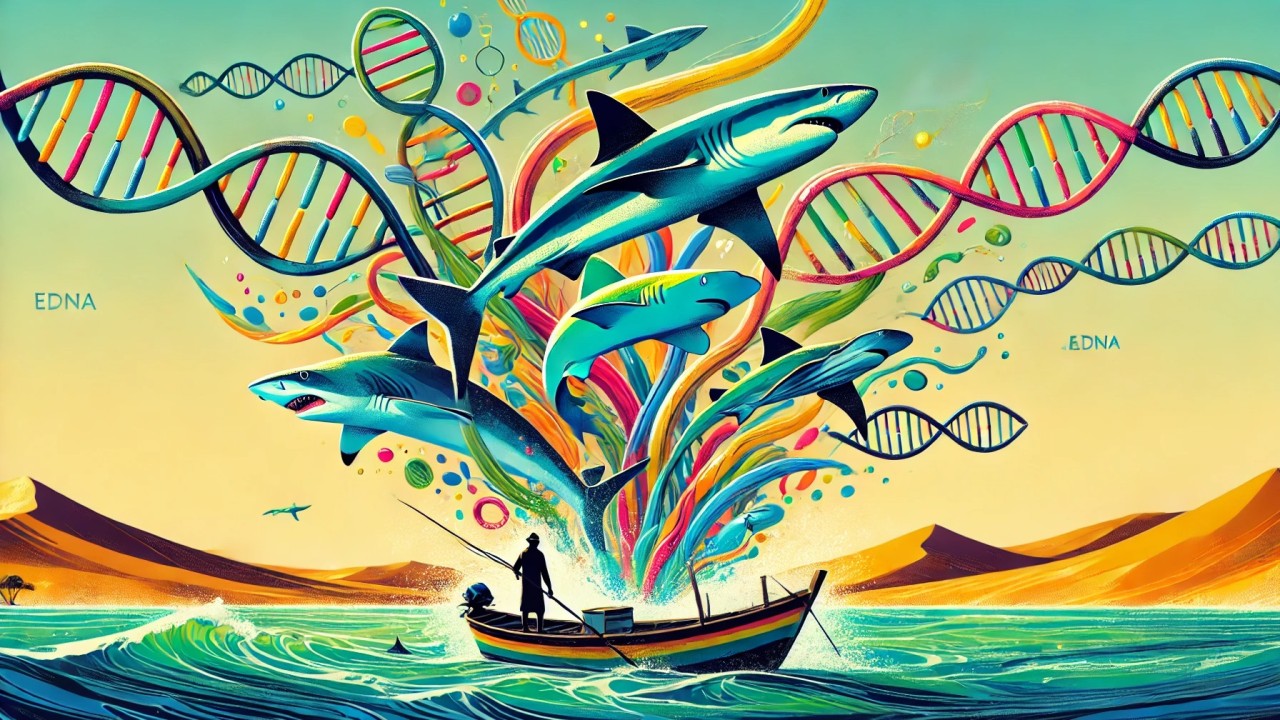
  • Sharks and Rays of West Africa: Marine Diversity in The Banc d’Arguin, Mauritania

    Sharks and Rays of West Africa: Marine Diversity in The Banc d’Arguin, Mauritania

    Mauritania is a country located in Northwest Africa, bordered by the Atlantic Ocean to the west, Western Sahara to the north, Algeria to the northeast, Mali to the east and southeast, and Senegal to the southwest. It covers an area of approximately 1,030,700 square kilometres, making it one of the larger countries in Africa, but it is sparsely populated, with a population of around 4.5 million people. Mauritania is a diverse country with a rich cultural heritage, combining Arab, Berber, and African influences.

    The Banc d’Arguin National Park: A Marine Haven

    The Banc d’Arguin is a national park and UNESCO World Heritage site located along Mauritania’s Atlantic coast. The Banc d’Arguin National Park is a unique environment. It is one of the most important bird sanctuaries in the world, serving as a crucial stopover for migratory birds travelling between Europe and southern Africa. The park’s ecosystem is a unique blend of coastal and desert environments, including sand dunes, coastal swamps, small islands, and shallow coastal waters. The Banc d’Arguin is also home to various species of fish and marine mammals, making it an essential area for both biodiversity and conservation. The Imraguen people, who traditionally rely on sustainable fishing practices, also inhabit the park, and their way of life is deeply intertwined with the natural environment.

    Why Sharks and Rays Matter

    Sharks and rays, collectively known as elasmobranchs, are vital to marine ecosystems. They keep prey populations in check and help maintain the health of coral reefs and seagrass beds. However, these animals are facing a crisis. They grow slowly, mature late, and produce few offspring, making them extremely vulnerable to overfishing. Despite protective measures at the Banc d’Arguin, the park’s shark and ray populations are under increasing pressure.

    A groundbreaking study has revealed a surprising diversity of sharks and rays. Using cutting-edge DNA techniques, researchers explored the Banc d’Arguin National Park, West Africa’s largest marine protected area. Their findings reveal rich biodiversity but also raise alarm bells about the future of these ancient creatures.

    Decoding DNA to Count Sharks and Rays

    The research team set out to create a comprehensive inventory of elasmobranch species in the Banc d’Arguin. To achieve this, the research team used two main approaches. First, they collected tissue samples from sharks and rays at local processing sites. They then analysed the DNA from these samples to create a genetic reference database. Second, they collected seawater samples from various locations in the park. By analysing the trace amounts of DNA in the water – known as environmental DNA or eDNA – they could detect which species were present without ever seeing them. The use of eDNA in this study proved to be a game-changer. It is a non-invasive, cost-effective way to survey biodiversity, especially useful in remote areas like the Banc d’Arguin, where traditional survey methods are challenging.

    The Discoveries: New Species and Taxonomic Twists

    The study not only documented new species but also revealed potential taxonomic errors and undiscovered species. The researchers reported 27 species of sharks and rays, with 12 species recorded in the Banc d’Arguin for the first time, indicating a previously undocumented diversity. New findings included previously unreported species such as the lesser spotted dogfish (Scyliorhinus canicula), smalltooth stingray (Hypanus rudis), and pelagic stingray (Pteroplatytrygon violacea).

    Some species thought to be common were absent, while others believed to be rare were found in abundance. For example, the common smoothhound shark (Mustelus mustelus), frequently reported in the area, was not detected. Instead, its lookalike cousin, the blackspotted smoothhound (Mustelus punctulatus), was found throughout the park.

    The study also uncovered potential new species. A type of butterfly ray and an electric ray were found that do not match any known species descriptions. These could be new to science, highlighting how much we still have to learn about marine life in this region.

    A Grim Reality Check: Threats on All Sides

    While the diversity discovered is exciting, the findings also reveal a troubling truth. According to the International Union for Conservation of Nature (IUCN) Red List, a staggering 67.9% of the shark and ray species found in the Banc d’Arguin are threatened with extinction. This makes the park a critical area for elasmobranch conservation.

    Several factors are driving the decline of sharks and rays in the region. Overfishing is the primary culprit. Despite regulations, these animals are still frequently caught for their fins and meat, often illegally or as accidental bycatch. Habitat degradation from coastal development and pollution also plays a role. While there are laws in place to protect these species, enforcement is often weak.

    Charting a Course for Conservation: Hope in Troubled Waters

    Protecting sharks and rays in the Banc d’Arguin will require a multi-faceted approach. More vigorous enforcement of existing fishing regulations is crucial. Implementing more sustainable fishing practices and reducing bycatch through better gear technology could make a significant difference. Engaging local communities in conservation efforts and providing alternative livelihoods to reduce dependence on fishing is also vital. Continued research and monitoring using eDNA and other methods will be essential to track species diversity and population trends.

    This study is an essential first step in the race to protect these ancient mariners. It sheds light on the hidden diversity of sharks and rays in the Banc d’Arguin National Park. It underscores the crucial role of advanced molecular techniques in uncovering and protecting biodiversity. As we uncover their secrets, we are also uncovering our responsibility to ensure their survival.

    The future of West Africa’s sharks and rays hangs in the balance, and the time to act is now. While the challenges are significant, there is still hope. With improved management, enforcement, and ongoing research, we can work to preserve the incredible shark and ray populations in this vital marine protected area and world treasure.


  • The Hidden Treasures of the Corubal River: A Biodiversity Hotspot in Guinea-Bissau, West Africa

    The Hidden Treasures of the Corubal River: A Biodiversity Hotspot in Guinea-Bissau, West Africa

    Guinea-Bissau is a small West African country located on the Atlantic coast, bordered by Senegal to the north and Guinea to the southeast. With a population of approximately 2 million people, it is one of Africa’s smallest nations by land area and population. Guinea-Bissau is not without its charms. The nation boasts an abundance of natural beauty, from the pristine Bijagós Archipelago, a UNESCO Biosphere Reserve teeming with biodiversity, to its dense forests and mangroves that provide sanctuary to a variety of wildlife. Moreover, there is a lot more to be discovered, as this article will show.

    The Corubal River is one of the major rivers in Guinea-Bissau, playing a crucial role in the country’s geography and economy. This river, extending about 560 kilometres from the Fouta Djalon highlands in the Republic of Guinea to the Geba estuary near Bissau, encompasses a watershed spanning 24,000 square kilometres. Despite its ecological significance, systematic biodiversity surveys of this region have been sparse—until now. A pioneering study utilising environmental DNA (eDNA) approaches is beginning to shed light on its rich and unique biodiversity.

    The Power of eDNA in a Remarkable Study

    Environmental DNA refers to genetic material shed by organisms into their surroundings. By collecting and analysing water samples, scientists can detect traces of DNA from a wide range of species without directly observing or capturing them. Traditional biodiversity assessment methods can be cumbersome, costly, and often impractical, especially in remote and diverse ecosystems like the Corubal River basin. For the  Corubal River Study, the research team filtered water samples from 11 sites along the Corubal River watershed, employing multiple molecular markers to target various taxonomic groups. A remarkable revelation from the eDNA survey was the vast array of biodiversity hidden within the Corubal River.

    A Treasure Trove of Biodiversity

    The survey recorded an impressive 2589 amplicon sequence variants (ASVs), offering a glimpse of the river’s true species richness. This number is undoubtedly an underestimation, as the analyses pointed to the need for additional sampling to achieve a more comprehensive survey. Among the identified ASVs, 125 species of aquatic and terrestrial vertebrates were detected. Fish species dominated the findings, accounting for 61.9% of the recorded biodiversity. The abundance of fish in the Corubal River is particularly noteworthy, as it underscores the importance of the river as a vital resource for both local and regional fisheries.

    Perhaps the most captivating aspect of this discovery lies in the identification of 11 imperilled species, two of which are Critically Endangered. The Western chimpanzee (Pan troglodytes), one of the two Critically Endangered species, is one of the rarest primates in the world, with population numbers dwindling due to habitat loss and poaching. The other Critically Endangered species, the mussel Pleiodon ovatus, has a restricted range and is highly vulnerable to changes in the aquatic environment.

    The eDNA survey also revealed the detection of 21 species new to the country of Guinea-Bissau, which further emphasises the need for ongoing efforts to document the region’s biodiversity. These findings underscore the significance of the Corubal River as an essential hotspot of biodiversity, hosting a unique assemblage of species that should be protected and preserved.

    While the Corubal River study showcases the potential of eDNA surveys, it also highlights some challenges that need to be addressed:

    1. Reference Libraries: The lack of comprehensive genetic reference libraries for many species in understudied regions limits taxonomic identification. Future efforts should prioritise building these libraries, especially for species of conservation concern.

    2. Sampling Effort: Despite the large water volumes filtered and high technical replication, the study suggests that more sampling sites would be needed for a comprehensive representation of biodiversity at the basin scale. Optimising sampling strategies for different ecosystems and taxonomic groups is an essential area for future research.

    3. Seasonal Variability: The timing of sampling can affect species detectability. For instance, the study’s dry season sampling may have influenced the low number of amphibians detected.

    4. Primer Selection: The choice of genetic markers (primers) can significantly impact species detection. The study found that a general vertebrate primer detected many fish species missed by a fish-specific primer. Developing and testing primers for specific taxonomic groups in different regions will be crucial for improving eDNA survey accuracy.

    5. Detection Factors: Some groups, like reptiles, were underrepresented in the eDNA results despite their known presence in the area. Understanding the factors influencing eDNA shedding, persistence, and detection for different taxa is essential for refining the method.

    Conservation Significance

    The Corubal River’s biodiversity is under threat from human activities, including deforestation, agriculture, and infrastructure development. The eDNA survey has not only unveiled a previously underappreciated biodiversity hotspot in West Africa but also serves as a clarion call for the conservation of this vital aquatic ecosystem. Additionally, The survey’s findings have significant implications for the conservation of the Corubal River basin. They provide a baseline for future monitoring efforts and highlight the potential of eDNA surveys to detect rare and threatened species that might otherwise go unnoticed. The findings presented in this article underscore the critical role that eDNA surveys can play in advancing our understanding of global biodiversity and guiding conservation efforts. With the world facing ever-growing pressures on its natural resources, the insights gained from studies like this one are invaluable, equipping us with the knowledge to act, preserve, and protect the intricate web of life that sustains us all.

  • Shade Matters: The Impact of Shade Management on Insect Communities in Cocoa Farms

    Shade Matters: The Impact of Shade Management on Insect Communities in Cocoa Farms

    I spent the last week in Kumasi, Ghana, one of the major cocoa-growing regions in the country. My mission there was to train and lead a team in the collection of environmental DNA in different cocoa-growing systems. Undoubtedly, the results of that work, when published, will be featured in this newsletter. I thought it would be fitting that this week’s article is about Cocoa. Cocoa farming is vital to Africa’s economy, especially in the West and parts of Central Africa, where its cultivation provides livelihoods for millions of small-scale farmers. Recent shifts from traditional shaded agroforestry systems to more intensive “full-sun” monocultures raise questions about long-term sustainability. This article summarises the findings of a study conducted in Cameroon, which explores the connection between shade management and insect communities in cocoa farms. The study compares these monocultures with traditional agroforestry systems and investigates the subsequent effects on insect communities.

    The Shade Dilemma: Sunny vs. Shady Farms

    Traditionally, Cocoa is cultivated under a canopy of shade trees. This agroforestry method offers numerous benefits, such as preserving biodiversity, enhancing soil health, and providing crucial ecosystem services. However, the recent trend of intensified farming dubbed ‘full sun’, which involves clearing land and planting cocoa trees in open areas, has raised concerns about long-term consequences. Sunny farms initially produce more Cocoa, but they face several challenges in the long term. These include higher pest burdens, loss of beneficial insects, shorter productive lifespans, and greater vulnerability to climate change.

    The Study Approach: Field Surveys and Modelling

    The study was conducted across 28 cocoa farms in the Centre, East, and South regions of Cameroon. These farms were selected based on their shade cover, size, and logistical feasibility, and they were ensured to be located at least 500 meters apart.

    Shade cover was measured using an extensible pole-mounted camera to capture pictures of the canopy above cocoa tree crowns. The percentage of vegetation cover was calculated for each picture, and the mean shade cover was derived from ten pictures taken along transects within the farms, ranging from 20% to 98%.

    Three sampling methods were used to survey arthropod populations: sweep netting, malaise traps, and visual surveys. Sweep netting involved two sessions per visit, one at dawn and one at dusk. Each session consisted of walking a 240-meter transect through the farm, sweeping vegetation at chest height every 6 meters, alternating between left and right. This resulted in a total of 40 sweeps per session. The contents of the sweep net were transferred to plastic bags containing cotton wool soaked in 50% ethanol. After the arthropods ceased moving, they were identified to order level and counted.

    For malaise traps, two traps were set up at each farm the evening before the dawn sweep netting session. Traps were positioned at least 20 meters from farm boundaries and separated by a minimum of 50 meters. They were unbaited, with collection jars containing 50% ethanol, left for 24 hours to collect arthropods. Collected specimens were identified and counted to order level upon retrieval.

    Visual surveys were conducted in two forms: full tree visual surveys and pest counts. A sub-sample of eight farms was selected for tree visual surveys, involving 25-minute observations of all arthropods in a specific cocoa tree. Each survey was divided into five 5-minute periods focusing on different parts of the tree. For pest counts, the methodology was similar, but only pests damaging the cocoa trees were recorded. These surveys were carried out at dawn, and the observer recorded arthropods found on trunks or branches below eye level during a 40-minute walk through the site, inspecting about 50 trees per site.

    The study focused on 11 arthropod taxa, including various orders and the brown capsid, which is considered the primary pest of Cocoa in Africa. Data analysis involved a Bayesian hierarchical model to integrate data from the three sampling methods, capturing the community composition and estimating population size for each arthropod order.

    Four Key Findings

    More Shade, Fewer Pests: Farms with more shade cover had significantly lower populations of pest insects, including brown capsids and mealybugs.

    Beneficial Insects Thrive in Shade: Insects that provide valuable ecosystem services, such as spiders and flies, were more abundant in shady farms.

    Shifting Community Composition: Overall, shady farms had more beneficial insects and fewer pests, leading to a more balanced ecosystem.

    Seasonal Effects: Researchers discovered variations in insect population seasonally, with brown capsids being more abundant during the wet season.

    A Bit About The Brown Capsid- a Major Pest of Cocoa

    Brown capsids, scientifically known as Sahlbergella singularis, are the primary pests affecting cocoa crops in Africa. These small, sap-sucking insects belong to the Hemiptera order and are notorious for causing significant damage to cocoa plants, resulting in annual crop losses estimated between 25% and 40%.

    Notably, the research revealed that brown capsid populations are significantly affected by shade cover. Their abundance was four times higher in sunny farms compared to shady farms. Additionally, brown capsid populations showed seasonal variation, doubling from the dry season to the wet season. These findings have important implications for cocoa farming practices, suggesting that maintaining shade trees in cocoa farms could be an effective strategy for controlling this major pest.

    Implications for Cocoa Farming

    This research emphasises the importance of shaded cocoa farming practices in maintaining insect biodiversity and ensuring sustainable crop production. Shaded farms, with their lower pest burdens and more balanced ecosystems, offer a viable and resilient approach to cocoa cultivation. Farmers, policymakers, and stakeholders in the chocolate industry should acknowledge these findings and promote biodiversity-friendly farming practices. Future research should continue exploring the detailed interactions between shade cover, insect communities, and the ecosystem services they provide to optimise sustainable cocoa farming in Africa.