
Month: November 2024

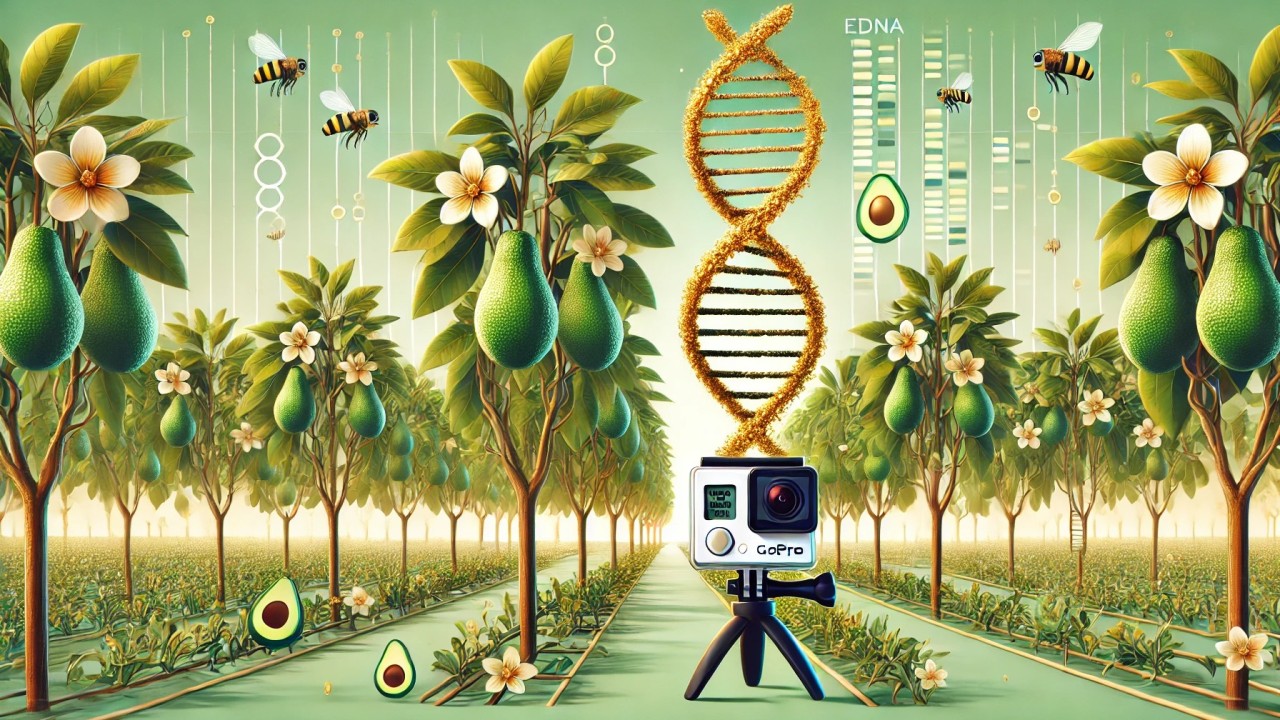
  • Smart Farming: How DNA and Video Tracking Transform Understanding of Insects and Plants in Avocado Farming

    Smart Farming: How DNA and Video Tracking Transform Understanding of Insects and Plants in Avocado Farming

    Sustainable agriculture relies on effectively managing both beneficial and harmful interactions between crops and their environment. Technological innovations in biodiversity monitoring—such as digital video recordings (DVRs) and environmental DNA (eDNA) metabarcoding—are transforming our ability to monitor arthropod activity in farming systems. Arthropods play a dual role in agriculture: they contribute to pollination, pest control, and ecosystem health, but also to herbivory and disease spread. Beneficial species like honeybees and wild pollinators are vital for consistent yields in many crops, while pests, pathogens, and invasive species pose significant risks to global food supplies. Integrated monitoring is essential to balance these interactions, especially amid increasing stressors like habitat loss, pesticide use, and climate change.

    Modern Alternatives- DVRs and eDNA

    Before technological advancements, arthropod monitoring heavily relied on conventional methods such as sweep netting and visual observations. These approaches often require intensive manual labour and expert identification, posing challenges for large-scale agricultural systems. Digital video recordings have emerged as a valuable tool for tracking flower-visiting arthropods, successfully documenting visitation behaviours and capturing multiple interactions simultaneously.

    However, DVRs have limitations. They are less effective in identifying small or cryptic species and cannot monitor nocturnal insects. In response, new molecular techniques like eDNA metabarcoding have gained traction. This method uses DNA from flowers or other substrates to reveal the arthropod taxa present, capturing both large-scale and fine-scale interactions within orchards. A recent study compares these two methods in revealing plant-insect interactions in Avocado orchards.

    What is eDNA and Why Does It Matter?

    Environmental DNA (eDNA) refers to trace genetic material left behind by organisms in their environment—whether in soil, water, or air. When coupled with metabarcoding, this molecular tool can amplify and sequence DNA fragments, providing rich taxonomic insights unattainable through traditional methods. For agriculture, this means a deeper understanding of the dynamic and often complex interactions between crops and arthropods.

    How was the study conducted?

    Inflorescences were collected from two ‘Hass’ avocado orchards, Marron Brook Farm (MB) and Bendotti Avocados (BA), located in the Manjimup-Pemberton region of southwest Western Australia. This region is characterised by agricultural lands interspersed with remnants of native karri forest. MB orchard, situated approximately 200 meters above sea level, comprises ‘Hass’ trees interspersed with ‘Fuerte’ pollinisers, while BA orchard, located about 16 kilometres south-southwest of MB at 138 meters above sea level, cultivates only ‘Hass’ trees.

    To assess the arthropod communities visiting the avocado flowers, eight ‘Hass’ trees of similar age and height were randomly selected in each orchard. Ten inflorescences were collected from each tree during both low and peak flowering periods in 2020, with samples taken evenly from the upper and lower canopies to minimise bias.

    In the laboratory, each eDNA sample was assessed using quantitative PCR targeting the Cytochrome Oxidase 1 (CO1) gene, a standard marker for arthropod identification due to its variability among species. Replicate amplifications were pooled and sequenced using an Illumina MiSeq platform.

    Simultaneously, digital video recordings (DVRs) were employed to visually monitor arthropod visits to the flowers. GoPro cameras were mounted on stands to observe two inflorescences per tree in the lower canopy, capturing time-lapse images to maximise battery life. Recordings were made during optimal weather conditions for bee activity to ensure representative sampling of pollinator visits.

    DNA Analysis Reveals Diverse Arthropod Presence on Avocado Flowers

    The eDNA analysis revealed a diverse array of arthropods on the avocado flowers, identifying 60 different taxa across 42 families. Common detections included potential pest species like thrips, beneficial pollinators such as the honeybee (Apis mellifera), and possible plant parasites. On average, each flower sample contained DNA from about two arthropod species.

    In contrast, the video recordings observed 23 taxa across 22 families visiting the flowers. The most frequently seen visitors were hoverflies, honeybees, and blowflies. Out of over 15,000 recorded flower visits, the majority were made by hoverflies, followed by honeybees and blowflies.

    Flowering Intensity, Canopy Position, and Orchard Location Affect Findings

    Statistical analyses indicated that the diversity of arthropods detected through eDNA varied with flowering intensity, canopy position, and orchard location. Significant differences were found in the detection of certain groups, such as flies and bees, between low and peak flowering periods and between the two orchards. Notably, samples from the upper canopy had higher detection rates for bees, wasps, and other arthropods compared to those from the lower canopy.

    Video observations also showed significant changes over time and between orchards. The number of arthropod visits recorded increased markedly from low to peak flowering in both orchards, especially at the MB orchard. Hoverflies showed the most significant increase during peak flowering, particularly at MB. Visits by honeybees and other flies also increased notably in this orchard, while the BA orchard showed smaller changes.

    No Link Found Between Arthropod Size and DNA Detection Probability

    Contrary to expectations, the study found no link between the size of an insect and its likelihood of being detected through eDNA. It was initially thought that larger insects might leave more DNA on flowers, increasing their chances of detection. However, results suggested that detection depends more on how insects interact with the flowers—such as which parts they touch—rather than their size.

    The Importance of Combining eDNA and Video Observations for Comprehensive Monitoring

    The study highlights the value of combining eDNA analysis with video observation methods for comprehensive monitoring. While eDNA provided a broad overview of the insect community, detecting many species missed by video recordings—including small or nocturnal insects—the videos captured detailed information on insect behaviour and abundance. For example, videos observed species like hoverflies in large numbers that were less prominent in eDNA results. Together, these methods offer a more complete understanding of the interactions between crops and arthropods, enabling better-informed management decisions.

    Integrating eDNA Metabarcoding into Natural Capital Accounting

    Quick and accurate detection of both beneficial and harmful insects is essential for sustainable agriculture and the valuation of ecosystem services. This study demonstrated that eDNA metabarcoding could be a valuable tool for natural capital accounting in agroecosystems. By regularly monitoring the presence of pollinators, pests, and predators, eDNA analysis can help quantify ecosystem services like pollination and biological pest control.

    Integrating eDNA monitoring into agricultural practices allows for the development of metrics that assess ecosystem health and biodiversity. These metrics can be communicated to farmers to inform management decisions that balance productivity with conservation. For example, understanding the diversity and abundance of pollinators and predators can encourage farming practices that reduce pesticide use and promote beneficial insects.

    Future improvements in eDNA technology, such as advanced sequencing methods and multiple genetic markers, can enhance detection accuracy, including rare or emerging pest species. While eDNA provides detailed species information, combining it with traditional methods like video observations ensures a more comprehensive understanding of the insect community.


  • Revolutionising African Swine Fever Surveillance with Environmental DNA

    Revolutionising African Swine Fever Surveillance with Environmental DNA

    This work presented in this study resonates with my science journey. Having worked on African Swine Fever (ASF) during my first postdoctoral experience in Tanzania, I witnessed firsthand the devastating impact this disease has on pig farming. The search for solutions was urgent, and at the time, we were exploring genomic approaches to tackle the ASV outbreaks.

    This article highlights a promising new method—using environmental DNA—for ASF surveillance. The work was conducted in Italy-where ASF outbreaks have been reported. ASF outbreaks in northern Italy, in January 2022, led to the culling of nearly 120,000 pigs to contain the disease, threatening the nation’s €20 billion pork industry, including prized prosciutto production.

    African Swine Fever is a highly contagious viral disease that has devastated wild and domestic pig populations across Eurasia since 2007. It poses a significant threat to agriculture and wildlife ecosystems, especially through its association with wild boars, which play a key role in maintaining and spreading the virus. Controlling ASF is challenging, making rapid and efficient detection methods essential for effective management and containment of outbreaks.

    The Urgency of Addressing African Swine Fever

    ASF’s ongoing spread highlights the need for new surveillance methods. Traditional techniques involve directly sampling animals, which is invasive, time-consuming, costly, and risky because it requires close contact with potentially infected wildlife. In areas with many wild boars, monitoring becomes even more difficult. Therefore, non-invasive, cost-effective, and reliable surveillance tools are urgently needed to track the virus. Environmental DNA (eDNA) is a groundbreaking tool for monitoring. It consists of genetic material collected from environmental samples like water, soil, or air—without needing to capture or see the organisms themselves. This technique shows great promise for detecting diseases in various ecosystems. By analysing eDNA, researchers can identify specific species and their pathogens, making it invaluable for disease surveillance.

    Research Objectives and Questions

    The main goal of this study was to develop and validate an eDNA sampling method suitable for muddy water and soil environments to detect ASF virus (ASFV) and wild boar DNA. The researchers aimed to answer:

    1. Can eDNA effectively detect ASFV and wild boar DNA in natural, muddy environments?
    2. What are the best conditions and methods to maximise eDNA recovery from challenging samples like muddy water and soil?
    3. How reliable and consistent is eDNA compared to traditional methods for early ASFV detection?

    Methodology: From Field to Laboratory

    The research took place in La Mandria Regional Park near Turin, Italy, spanning about 2,700 hectares. This park is home to various hoofed animals, including wild boars, red deer, roe deer, and fallow deer, with a high density of wild boars (about 15 per square kilometre). Importantly, the park is free of ASF and has no pathogen management restrictions, making it ideal for testing the method.

    Four mudholes in the park were randomly selected and monitored with camera traps to confirm wild boar use. On sampling day, seven litres of muddy water were collected from each mudhole using a pump. To prevent contamination between samples, the tubes were cleaned with a 20% bleach solution between collections. Additionally, small soil samples (5 millilitres) were collected from each site, and a special buffer (Buffer AVL™) was added to deactivate any potential ASFV while preserving the DNA.

    Laboratory Procedures and Sample Preparation

    In the lab, researchers created a synthetic piece of ASFV DNA based on known sequences. They prepared four different dilutions of this synthetic DNA, each with varying amounts, and added them to separate water and soil samples. After a 12-hour incubation at room temperature, the water samples were filtered using fine filters (0.1 μm). Buffer AVL™ was added to help recover the DNA. The soil samples were shaken and centrifuged to separate sediments, and then the DNA was purified using a special kit (DNeasy PowerSoil Pro Kit).

    qPCR Assays for ASFV and Wild Boar Detection

    To detect ASFV and wild boar DNA, the researchers used quantitative Polymerase Chain Reaction (qPCR), a technique that amplifies DNA to detectable levels. For ASFV, they used iTaq Universal SYBR Green Supermix with specific primers (short DNA sequences that initiate amplification). For wild boar DNA, they used TaqMan™ Universal PCR Master Mix with appropriate primers. Each test was conducted three times to ensure accuracy, and a sample was considered positive if at least two out of three tests exceeded the limit of quantification (the smallest amount that can be reliably measured).

    Key Findings: eDNA Proves Its Worth

    The study showed promising results, demonstrating that eDNA can effectively detect ASFV and wild boar DNA in challenging environments.

    • ASFV Detection: All water and soil samples spiked with synthetic ASFV DNA tested positive. Soil samples gave more consistent results than water samples, possibly because DNA is better preserved in soil.
    • Wild Boar DNA Presence: Wild boar DNA was found in almost all water and soil samples, except for one soil sample that didn’t meet the required detection limit in two out of three tests. This suggests that eDNA is effective at detecting wild boars even without recent direct sightings.
    • DNA Preservation: Soil samples not only preserved ASFV DNA better but also had higher concentrations of wild boar DNA, indicating that soil might be a more reliable medium for long-term eDNA monitoring.

    Broader Impact: Beyond ASF

    This research has implications beyond African Swine Fever. Using eDNA techniques could help monitor many wildlife diseases and support biodiversity conservation. To make the most of eDNA in managing wildlife diseases, future studies should:

    1. Field Validation: Test the eDNA methods in various real-world settings to assess their robustness and adaptability.
    2. Improved Molecular Techniques: Develop advanced tests that can differentiate between DNA from wild and domestic pigs for more precise monitoring.
    3. Integration with Other Systems: Combine eDNA data with traditional monitoring methods and technologies to create comprehensive disease surveillance networks.

    Integrating eDNA into disease surveillance is a major step forward in managing wildlife health. As ASF continues to challenge regions across Eurasia and beyond, innovative methods like eDNA sampling offer the tools needed to monitor and combat the disease effectively. Ongoing research in this field will not only help control ASF but also lay the groundwork for managing other wildlife diseases, ensuring the preservation of animal populations and agricultural stability.

  • Beneath the Canopy: Exploring Soil Biodiversity of Wild Cacao in Colombia’s Chocó Region

    Beneath the Canopy: Exploring Soil Biodiversity of Wild Cacao in Colombia’s Chocó Region

    Colombia is renowned for its exceptional ecological wealth, consistently ranking among the most biodiverse countries in the world. Within its borders lies the Biogeographic Chocó, a region of critical ecological importance along the Pacific coast that extends into neighbouring Panama and Ecuador. This area is distinguished by its extraordinary rainfall—among the highest globally, reaching up to 12,000 millimetres per year—which nurtures dense rainforests harbouring a remarkable array of endemic species. These include rare plants, amphibians, birds, and invertebrates that thrive in its unique climatic and geographical conditions.

    Among the myriad species inhabiting the Chocó are wild relatives of Theobroma cacao, commonly known as the cocoa/ cacao tree, the source of chocolate’s essential ingredient. These wild relatives include Theobroma glaucum (glaucous cacao), Theobroma simiarum (monkey cacao), Herrania cf. purpurea (purple herrania), and Theobroma cf. hylaeum (hylaeum cacao). They are not only crucial for maintaining biodiversity but also hold potential solutions to some modern agricultural challenges, such as disease resistance and adaptability to changing climates. These plants may offer genetic traits that can improve cultivated cacao, which is economically and culturally significant worldwide.

    With increasing environmental pressures from climate change and deforestation, understanding the relationships between these wild cacao species and their surrounding ecosystems becomes imperative. Exploring the microbial diversity in the soil where these wild relatives grow can uncover biological interactions that aid in biocontrol, improve soil health, and enhance the plants’ resistance to stressors, including heavy metal accumulation like cadmium. A recent study has yielded interesting findings.

    Cadmium Concerns in Cacao Cultivation

    Cadmium is a toxic heavy metal that poses significant concerns in agriculture, particularly in cacao cultivation. It can accumulate in the soil and be absorbed by cacao plants, leading to contamination of cocoa beans and, consequently, chocolate products. This contamination presents health risks to consumers, including kidney damage and bone demineralisation. Moreover, high levels of cadmium in cacao beans can affect their marketability, as strict international regulations limit cadmium content in food products. Understanding how cadmium interacts with cacao plants and their associated soil environments is crucial for developing strategies to mitigate its impact.

    Soil Sampling Study Methodology

    In March and April 2021, researchers conducted a soil sampling study to capture the microbial diversity associated with wild cacao relatives. They collected 25 soil samples from previously geo-referenced trees in the village of La Victoria, located in the Department of Chocó, Colombia. The targeted species were Theobroma glaucum (glaucous cacao), Theobroma cacao (cocoa tree), Theobroma simiarum (monkey cacao), Herrania cf. purpurea (purple herrania), and Theobroma cf. hylaeum (hylaeum cacao). These trees were situated in two distinct areas of La Victoria: Baudó and Atrato.

    For each tree, the researchers established a circular plot with a one-metre radius around the base. Soil samples were collected from eight equidistant points within this plot to ensure a representative sample of the surrounding area. Before sampling, surface litter and organic layers were carefully removed to access the non-rhizosphere soil from the upper soil horizon, between 0.00 and 0.30 metres deep. Approximately 250 grams of soil from each of the eight points were combined into a single homogenised composite sample for each tree, capturing the variability of microbial communities around each tree.

    The samples were stored in sterile, airtight plastic bags to prevent contamination, and in the laboratory, they were immediately frozen at –20 °C until DNA extraction. The study employed extracellular DNA metabarcoding as the primary method for investigating the soil samples. This technique involves extracting DNA directly from environmental samples to identify a wide range of microbial species present, without the need for culturing them in the lab. It is highly effective for analysing complex microbial communities and provides insights into the biodiversity of soil microorganisms.

    In addition to microbial analysis, subsamples of 500 grams from each composite sample were sent for physicochemical testing. This analysis included assessments of various soil properties, such as pH levels, electrical conductivity, cation exchange capacity, organic carbon content, and cadmium concentration. These measurements are crucial for understanding soil health and its potential impact on cacao plants, particularly concerning heavy metal accumulation.

    Microbial Diversity Findings

    The microbial community analysis highlighted the diversity of bacteria and fungi present in the soil. The dominant bacterial phylum identified was Acidobacteriota, known for its role in nutrient cycling and adaptation to various environments. Other significant bacterial phyla included Proteobacteria and Verrucomicrobia, both critical for maintaining soil health and supporting plant growth.

    The fungal communities were primarily composed of Ascomycota, Mortierellomycota, and Basidiomycota. These fungi play various roles in the ecosystem, from decomposing organic matter to forming symbiotic relationships with plants. Some fungi, such as those from the genus Mortierella, are known to promote plant growth and enhance nutrient uptake.

    However, the study also identified potentially harmful fungal species, including Fusarium and Colletotrichum. These pathogens could adversely affect cacao health, causing diseases that impact yield and quality.

    Soil Physicochemical Properties

    The analysis revealed differences in soil properties between the two sampled locations, Baudó and Atrato. Variations were observed in several soil characteristics, including pH levels, magnesium saturation, aluminium saturation, and cadmium concentration. The soil acidity or alkalinity (pH levels) can influence microbial communities and plant nutrient availability. Differences in magnesium content affect soil fertility and plant health, as magnesium is a vital nutrient for plants. High levels of aluminium can be toxic to plants, impacting growth and productivity.

    Notably, variations in cadmium levels were linked to specific species of Theobroma, particularly Theobroma glaucum (glaucous cacao). This species showed significant correlations with cadmium content in the soil, suggesting it may be more affected by cadmium accumulation compared to other cacao relatives studied. Understanding these differences is essential for developing strategies to mitigate cadmium uptake in cacao plants.

    Implications for Cacao Cultivation, Conservation, and Future Research

    This study highlights the intricate relationships between wild cacao relatives, soil properties, and microbial communities, which collectively influence plant health, nutrient uptake, and resistance to stressors such as heavy metal accumulation and pathogens. Beneficial microbes can enhance plant resilience, while pathogenic organisms pose risks that require management. Understanding these interactions is essential for developing sustainable agricultural practices.

    There is an urgent need for conservation strategies in the Chocó region to prevent biodiversity loss, particularly of wild cacao relatives. Protecting these species is crucial not only for maintaining ecological balance but also for safeguarding genetic resources that could enhance cacao cultivation globally. Future research could focus on exploring (genetic) cadmium tolerance dynamics among cacao plants and their associated microbial communities, as well as investigating how beneficial soil microorganisms can improve plant resilience and reduce cadmium accumulation.

    Additionally, comprehensive biodiversity assessments will deepen our understanding of soil organisms and their functions. Utilising beneficial microbes—such as introducing specific microbial inoculants—could improve nutrient uptake, enhance disease resistance, and mitigate heavy metal accumulation in cacao plants for long-term sustainability of cacao production.

  • Revolutionising Greenhouse Pest Management with Environmental DNA: Early Detection of Pests in Tomato Plants

    Revolutionising Greenhouse Pest Management with Environmental DNA: Early Detection of Pests in Tomato Plants

    In the pursuit of more efficient and sustainable agriculture, finding innovative ways to detect crop pests is crucial. A groundbreaking study has shown how environmental DNA (eDNA) technology could transform pest monitoring in agriculture, especially in greenhouses.

    What Is Environmental DNA (eDNA)?

    Environmental DNA is a modern method for detecting different species without seeing them directly. Instead of relying on visual identification, eDNA technology detects organisms through the genetic material they leave behind—tiny traces of DNA shed into their environment. This DNA can be collected from places like soil, water, and plant surfaces.

    The study focuses on two pests that significantly harm tomato plants grown in greenhouses:

    1. Sweetpotato Whitefly (Bemisia argentifolii)- previously B. tabaci Biotype B
    2. Twospotted Spider Mite (Tetranychus urticae)

    Meet the Pests

    Sweetpotato Whitefly

    The Sweetpotato Whitefly is a tiny insect, about 0.9 millimetres long, but it can cause big problems. It is considered a “supervector,” meaning it can spread many different plant viruses when it feeds on plants. These viruses can lead to significant crop losses. Because the whiteflies are so small and tend to hide, they are hard to spot early on. Early detection is important to prevent damage. For example, in Georgia, USA, whitefly infestations in 2017 led to over $100 million in crop losses.

    Twospotted Spider Mite

    The Twospotted Spider Mite is a minuscule creature, about 0.4 millimetres in size, that feeds on a wide variety of plants—over 1,100 species, including 150 types of crops. When they feed on tomato plants, they can reduce yields by up to 50%. They reproduce quickly, and heavy infestations can kill plants. Their small size and ability to adapt make them hard to control and identify early, highlighting the need for advanced monitoring methods like eDNA.

    Both pests thrive in greenhouse environments because of the favourable conditions and abundant food. Detecting these pests early using eDNA methods could help reduce economic losses and lessen the need for chemical pesticides, leading to more sustainable tomato farming.

    The Study’s Goals and Methods

    The research aimed to develop better ways to detect these pests by:

    • Testing DNA Detection Tools: Evaluating how well current and newly designed DNA primers work. Primers are short strands of DNA that start the copying process in DNA detection.
    • Comparing Detection Methods: Looking at the sensitivity of standard PCR (Polymerase Chain Reaction) versus real-time PCR (qPCR). PCR, or Polymerase Chain Reaction, is like a photocopier for DNA. Scientists use it to make millions of copies of a specific piece of DNA because the original amount is usually too small to study directly. This is helpful for things like diagnosing diseases, studying genes, or identifying organisms.
    • Improving DNA Extraction: Developing faster methods to extract DNA from environmental samples.
    • Ensuring Accuracy: Making sure the new methods specifically target the pests without picking up DNA from other species.

    How Was the Experiment Conducted?

    Growing the Plants and Pests

    Tomato plants were grown for four weeks, first in controlled growth chambers and then moved to a greenhouse. The Sweetpotato Whitefly and Twospotted Spider Mite were also raised in controlled conditions. They were then introduced to the tomato plants for 24 hours using special clip-on cages attached to the leaves.

    Amplifying the DNA with PCR

    After the pests had time to infest the plants, scientists collected eDNA by rinsing the leaves with clean water to wash off any genetic material left by the pests. This water was then filtered to collect the DNA on tiny membrane filters, which were stored in a freezer until it was time to extract the DNA.

    Amplifying the DNA with PCR

    In this study, two types of PCR were used:

    1. Conventional PCR (cPCR): This is the standard method where DNA is copied in cycles, and the results are seen at the end. Primers targeting a specific gene (the mitochondrial CO1 gene) were used. However, this method was not sensitive enough to detect very small amounts of DNA.
    2. Real-Time PCR (qPCR): This method allows scientists to see the DNA amplification as it happens in real-time. It proved to be more sensitive and reliable, especially for detecting low levels of DNA. The researchers developed new primers specifically for this study to improve accuracy and avoid detecting other pests by mistake.

    Testing for Accuracy and Sensitivity

    The new primers were designed to be highly specific, meaning they would only amplify DNA from the target pests and not from other common greenhouse insects. They focused on specific gene regions:

    • For Whiteflies: The 18S ribosomal RNA gene region.
    • For Spider Mites: The mitochondrial CO1 gene.

    Key Findings and Innovations

    The study revealed several important points:

    • Improved Primers: The newly developed primers were much better at specifically detecting the target pests. They were more sensitive and accurate than the existing primers.
    • Better Detection Methods: Real-time PCR (qPCR) was more effective than conventional PCR (cPCR), especially for finding pests when their numbers were low.
    • Efficient DNA Extraction: The QuickExtract kit was more effective for extracting DNA from samples with low pest infestations compared to the Qiagen kit.
    • High Specificity: The new primers did not react with DNA from non-target species, ensuring that the detection was precise and reliable.

    What Does This Mean for Agriculture?

    This research has significant implications for modern farming:

    Early Detection: The high sensitivity of the eDNA methods means pests can be detected earlier, allowing farmers to act quickly and potentially save their crops.

    Cost-Effective Monitoring: Using eDNA is both accurate and affordable, making it practical for commercial greenhouses.

    Reduced Labour: This method can reduce the need for time-consuming visual inspections, making pest monitoring more efficient.

    Environmental Benefits: Early and accurate detection can lead to reduced use of pesticides, promoting more sustainable and eco-friendly farming practices.

    Practical Applications for Industry

    For farmers and greenhouse managers, this study suggests several practical steps:

    • Implement eDNA Monitoring: Regularly using eDNA sampling can serve as an early warning system for pest infestations.
    • Targeted Pest Control: With precise detection, pest control measures can be more focused, reducing the need for widespread pesticide application.
    • Improve Crop Quality: Keeping a close eye on pest levels can help maintain healthier plants and better yields.

    Future Perspectives

    The study points to exciting possibilities ahead:

    Advancing Technology: Further refining these detection methods could make them even more effective and easier to use. Developing tests that can detect multiple pests at once (multiplex assays) would be highly beneficial.

    Wider Use: The eDNA approach could be adapted for outdoor farming and used to detect a variety of pests and diseases in different crops.

    Integration with Smart Agriculture: Combining eDNA detection with smart technology like sensors, automated monitoring systems, and real-time data analysis could revolutionise pest management. Farmers could receive instant alerts about pest levels, allowing for immediate action.

    Conclusion

    This research marks a significant step forward in agricultural pest management. By using environmental DNA to detect pests early and accurately, farmers have a powerful new tool to protect their crops. As agriculture moves toward more sustainable and efficient practices, innovations like eDNA detection will be essential.

    The success of this study in greenhouse tomatoes lays the groundwork for broader applications in farming. Staying informed about such technological advances will help agricultural professionals remain competitive and ensure the future of sustainable crop production.