
Month: March 2025

  • Hidden Risks in Urban Waters: How eDNA Revealed Leptospira Risks in Okinawa

    Hidden Risks in Urban Waters: How eDNA Revealed Leptospira Risks in Okinawa

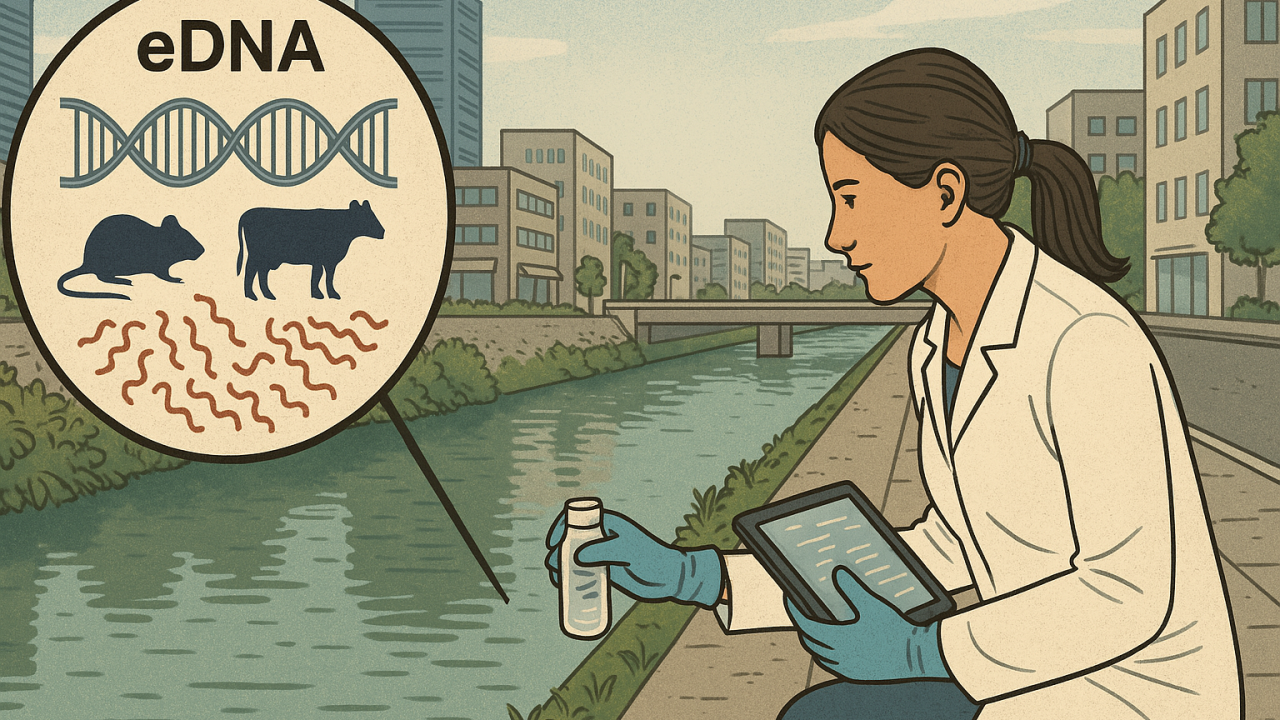
    Urban waterways often seem harmless, but hidden beneath their calm surfaces can lurk serious health hazards. Advances in environmental DNA (eDNA) metabarcoding techniques have transformed the way researchers monitor microbial pathogens in aquatic ecosystems. In a study conducted in Okinawa, Japan, the research team set out to investigate the prevalence of pathogenic Leptospira—bacteria known to cause leptospirosis—in urban water bodies that had traditionally been viewed as low-risk.

    What is Leptospira?

    Leptospira are bacteria responsible for leptospirosis, a disease that spreads when people come into contact with water contaminated by the urine of infected animals. Traditionally, urban areas in Okinawa were seen as low-risk zones. However, rapid urbanisation, agriculture, and climate change have reshaped the landscape, creating hidden reservoirs where pathogens can thrive unnoticed.

    The One Health framework teaches us that the health of humans, animals, and ecosystems is intertwined. Leptospirosis is a prime example of why this integrated approach is critical. In acknowledging these dynamics, the study captured how urban expansion, agricultural practices, and environmental changes—exacerbated by climate change—had altered the landscape of zoonotic disease transmission.

    The study pursued several objectives:

    Demonstrating eDNA Utility: The study aimed to validate the effectiveness of eDNA metabarcoding as a non-invasive and efficient tool for monitoring waterborne pathogens, thereby offering a modern means to survey pathogens that were challenging to culture with traditional methods.

    Assessing Prevalence: The research team aimed to determine whether pathogenic Leptospira were present in urban water bodies on Okinawa Island and rural waterways on Ishigaki Island.

    Understanding Diversity: The study sought to elucidate the genetic diversity of Leptospira, differentiating between high-virulence pathogens (P1+) and low-virulence strains (P1–) along with other species in the P2 clade.

    Connecting Environmental Factors: Researchers analysed environmental associations by examining how factors such as proximity to mountainous forests and cattle farming correlated with the amount of leptospiral DNA found in water samples.

    eDNA Metabarcoding: The Transformative Technique

    Traditional pathogen surveillance methods have relied on direct culturing or targeted sampling. In contrast, the study employed eDNA metabarcoding, which enabled researchers to collect genetic material directly from environmental water samples. By filtering water and sequencing small genetic fragments, the team was able to detect and identify a wide array of organisms present in the ecosystem.

    During the study, water samples were collected from various rivers and freshwater sources in both urban Okinawa and rural Ishigaki Island. Researchers amplified partial fragments of the leptospiral 16S rRNA gene and vertebrate mitochondrial 12S rRNA gene using carefully designed primers. This approach allowed the team to not only detect the presence of pathogenic Leptospira but also to infer potential host associations by simultaneously identifying vertebrate DNA present in the water.

    What the Data Revealed

    Prevalence of Pathogenic Leptospira: The study collected a total of 34 water samples from diverse sites, including urban localities on Okinawa Island and rural regions on Ishigaki Island. Through high-throughput sequencing, researchers detected leptospiral DNA in samples from both areas. Notably, sequences related to Leptospira noguchii and L. interrogans—representative of the high-virulence P1+ clade—were repeatedly identified across sites. This finding supported the researchers’ original hypothesis that pathogenic Leptospira had been circulating undetected in urban regions such as southern Okinawa.

    Association with Environmental and Human Factors: One of the study’s most compelling outcomes was the discovery of a significant correlation between leptospiral DNA detection and specific environmental as well as human-related factors. In Okinawa, a marked association was observed between the number of Leptospira sequences and the presence of cattle eDNA. This correlation suggested that increased livestock farming and related anthropogenic activities had contributed to elevated levels of environmental contamination. Meanwhile, in rural Ishigaki Island, the proximity of sampling sites to mountainous woodlands was associated with higher detection rates, which implicated wild mammals inhabiting these regions as natural reservoirs.

    The analysis clearly demonstrated that while water-related recreational activities traditionally had been viewed as the leading risk factor for leptospirosis, human behavioural factors such as animal farming could also serve as significant sources of environmental contamination.

    Species Diversity and Distribution: The eDNA metabarcoding approach allowed the researchers to distinguish among 11 operational taxonomic units (OTUs) of Leptospira. Although several OTUs were present in both urban and rural settings, some species appeared to be exclusive to Okinawa. For example, OTUs related to L. alstonii and an uncharacterised strain named Leptospira sp. unknown-P1 were found only in Okinawa. Additionally, the study’s results demonstrated that the diversity of Leptospira in Okinawa was comparable to—or even higher than—that in rural Ishigaki Island.

    Statistical analyses confirmed that differences in the total number of detected sequences were significant. The higher overall abundance of OTUs in Okinawa pointed to an urban environment where, despite fewer reported clinical cases, pathogenic Leptospira were more abundant in the water column than previously assumed.

    Public Health Implications: Lessons Learned from the Past

    Early Warning and Preparedness: The detection of pathogenic Leptospira in urban water bodies carried significant implications for public health. Although clinical cases in urban areas had been rare, the study’s findings revealed a silent environmental reservoir that posed a latent risk. Heavy rains, typhoons, and flooding—which have become more frequent events in light of climate change—could mobilise these bacteria, thereby increasing the risk of human exposure. The rapid insights provided by eDNA monitoring had the potential to serve as an early warning system, enabling public health authorities to institute timely interventions such as improved drainage infrastructure and public advisories during high-risk weather events.

    Informed One Health Interventions: By integrating data on pathogen presence with environmental and behavioural factors, the study offered valuable guidance for developing comprehensive One Health interventions. For example, the observed association between cattle DNA and leptospiral abundance suggested that improvements in livestock waste management near urban areas could help mitigate environmental contamination. Such insights had far-reaching implications not only for public health policy but also for urban planning, agricultural regulations, and ecosystem management.

    Impacts on Urban Planning and Livestock Management: The research findings provided actionable insights for urban planners and local policymakers. The eDNA-based approach revealed that even regions with few reported cases might harbour dangerous pathogens if environmental factors changed abruptly—for instance, after flooding events. By incorporating continuous eDNA surveillance into urban water quality assessments, authorities could monitor pathogen circulation in near real-time. Concurrently, better management of livestock farming practices—such as the strategic placement of waste treatment facilities—could reduce the input of pathogenic bacteria into urban waterways, thereby lowering overall public health risks.

    Value of eDNA in Public Health Research: The study highlighted several benefits of eDNA metabarcoding that had far-reaching implications:

    Non-invasive Methodology: Researchers collected water samples without disturbing the natural environment or requiring direct access to animal hosts, which reduced labour and minimised potential harm.

    Comprehensive Biodiversity Assessment: By simultaneously detecting pathogenic bacteria and vertebrate DNA, the method provided a single, integrated snapshot of the ecosystem, revealing not only pathogen prevalence but also possible host relationships.

    Rapid and Sensitive Detection: eDNA allowed for quick processing and analysis, which was particularly useful in pinpointing emerging public health threats before they escalated into full-scale outbreaks.

    Evidence for Policy-Making: By correlating leptospiral DNA levels with environmental and human-related factors, the approach offered robust data that could inform targeted and effective public health interventions.

    Looking Ahead: Future Directions and Call for Collaboration

    The study opens the door to numerous research avenues and practical applications:

    Enhanced Surveillance Networks: To fully harness the power of eDNA, expanding surveillance networks to include more urban, peri‑domestic, and rural locations will provide a clearer picture of pathogen dynamics over time.

    Integration with Climate Data: Future studies should integrate regional and global climate datasets to predict leptospirosis outbreaks. Understanding how heavy rains, floods, and temperature fluctuations influence Leptospira spread will allow for better risk management.

    Global Data Sharing: Collaboration across regions and borders is essential. By sharing eDNA data internationally, scientists can build comprehensive models that predict infectious disease outbreaks in a rapidly changing global environment.

    Improving Methodology: Although the current eDNA techniques yielded promising results, further refinement—especially in standardising sample volumes and accounting for water turbidity—will enhance the accuracy and reproducibility of findings.

    Conclusion: Bridging Science, Policy, and Practice

    The discovery of a significant prevalence of pathogenic Leptospira in urban Okinawa waters has profound implications for public health and environmental management. By leveraging the power of eDNA metabarcoding, researchers have provided clear evidence that urban regions—traditionally considered at lower risk—may harbour dangerous pathogens, especially when environmental conditions favour their spread.

    The study exemplifies why embracing a One Health approach is imperative. It reminds us that the health of our cities is never isolated from the health of our environment and the animals within it. As climate change and urbanisation continue to reshape our landscapes, innovative tools like eDNA will be essential in guiding policy decisions and protecting public health.

    These findings are a call to action for professionals in public health, urban planning, agriculture, and policy-making. Better surveillance, integrated data analysis, and strategic interventions are needed to mitigate the risks of leptospirosis and other emerging infectious diseases.
  • Investigating Plant-Animal Interactions Using eDNA from Herbarium Specimens

    Investigating Plant-Animal Interactions Using eDNA from Herbarium Specimens

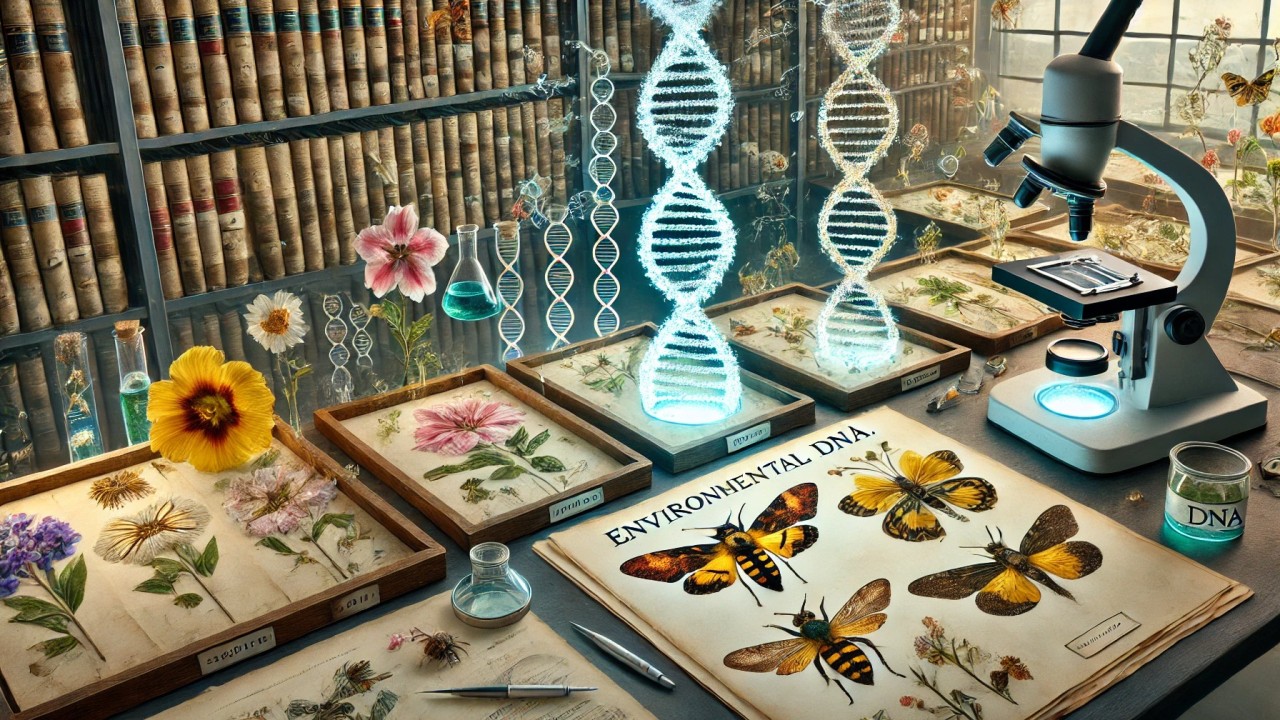
    Natural history collections have long served as invaluable archives of our planet’s biological heritage. In recent years, technological breakthroughs in environmental DNA (eDNA) analysis have opened up new pathways for exploring the interactions between plants and their animal visitors. By retrieving genetic material remaining on preserved flowers, researchers are now able to infer historical ecological relationships that help illuminate patterns of pollination, herbivory, and mutualisms across decades. This innovative approach not only deepens our understanding of past biodiversity but also offers crucial insights for contemporary conservation efforts.

    Why eDNA from Herbarium Specimens Matters

    With global environmental change and declining pollinator populations marking our current era, understanding historical plant–animal interactions are essential not only for retrospective research but also for guiding future biodiversity conservation and restoration strategies. Herbarium specimens, traditionally valued for their contributions to taxonomy, biogeography, and evolutionary biology, are now being used to reveal hidden interactions between plants and animals. A recent study from USA-based researchers shows how careful analyses of eDNA derived from these preserved materials can provide a historical snapshot of ecological dynamics.

    The researchers designed their study to address a series of important questions:

    1. Is it possible to extract and identify high-quality eDNA from animal visitors preserved on herbarium specimens?

    2. How does the age of a herbarium specimen affect the recovery of usable eDNA?

    3. How do the floral visitor communities detected on preserved specimens compare with those obtained from fresh samples?

    By focusing on these questions, they sought to validate herbarium specimens as a novel resource for historical ecological research.

    Innovative Methods: Harnessing the Power of eDNA

    The cornerstone of this research lies in the innovative use of eDNA extracted from both herbarium specimens and fresh flower samples. The researchers employed a modified DNA isolation protocol specifically designed to maximise the recovery of genetic material from preserved flowers.

    This process involved the careful removal of fully open, intact flowers from herbarium sheets—a practice that, although destructive, is justified by the potential scientific yield. A key element of the methodology was the inclusion of samples spanning a wide range of specimen ages—from freshly collected flowers to herbarium specimens that were up to 69 years old. By comparing eDNA read counts between these samples with controlled parameters, the researchers were able to assess the impact of specimen age on DNA recovery, an insight of great relevance for studies relying on archival materials.

    The researchers amplified the extracted eDNA using primers targeting two key genetic markers: cytochrome c oxidase subunit I (COI) and the 16S ribosomal RNA gene. The use of both markers increased the probability of detecting a broad spectrum of animal taxa, including insects, birds, and small “intra‐floral” organisms. The amplified DNA fragments were then sequenced using high-throughput Illumina platforms, generating millions of sequence reads that were bioinformatically processed and matched to reference databases. This pipeline ensured the identification of operational taxonomic units (OTUs) corresponding to various animal clades.

    Key Findings and Their Implications

    The study successfully demonstrated that eDNA from floral visitors can be extracted, amplified, and identified from dried herbarium specimens. Over 1.5 million sequences of animal taxa were detected, belonging to 30 major clades, including beetles, moths, thrips, and even hummingbirds.

    Remarkably, eDNA was retrieved from specimens as old as 69 years. For example, a 51-year-old Hypericum frondosum specimen contained detectable eDNA from ruby-throated hummingbirds (Archilochus colubris), and a 69-year-old Physaria globosa specimen retained traces of thrips.

    The age of herbarium specimens had a negligible impact on the quantity of target eDNA extracted. While fresh material offered up to ten times more eDNA reads on average compared to herbarium samples (52,873 vs. 5,546 reads per sample), linear regression models revealed no significant loss of usable eDNA from older herbarium specimens. This finding underscores the potential longevity and conservation value of eDNA preserved in herbaria.

    Herbarium specimens provided eDNA evidence for a broad range of floral visitor taxa similar to those found in fresh samples, though certain underrepresented groups (e.g., bees) were less detectable using herbarium materials. Underrepresentation of bees (e.g., carpenter bees) may stem from their grooming behaviours, which reduce the deposition of DNA-containing material or potential primer biases in eDNA amplification protocols.

    A further layer of analysis involved statistical modelling of the relationship between the age of a specimen and the number of detectable DNA sequence reads. The researchers applied linear regression models separately for data derived from the COI and 16S markers. The slopes of these models, although showing a slight negative trend, were statistically insignificant, suggesting that the overall degradation of eDNA in herbarium specimens over time does not drastically hinder the detection of plant–animal interactions. This is a particularly encouraging result for the field, as it confirms that legacy collections can be reliably used for modern genetic analyses.

    Challenges Revealed and Considerations for Future Research

    While the study revealed the promise of herbarium specimen eDNA as a resource, it also highlighted some challenges and potential limitations. One noted obstacle is the possibility of contamination resulting from handling and storage, as well as the over- or under-representation of certain taxa based on their inherent biological characteristics. For instance, organisms that are more likely to shed DNA—such as lepidopterans, which leave behind wing scales—were over-represented in the sequencing data. Conversely, taxa that groom themselves vigorously, like many bee species, were often detected at lower rates.

    Another challenge related to sample collection is the unpredictable nature of eDNA presence on herbarium specimens. Unlike fresh samples, where conditions such as temperature, precipitation, and time of day can be optimised to maximise DNA yield, herbarium specimens do not come with such environmental metadata. As a result, some specimens may fail to produce usable eDNA entirely, necessitating the sampling of multiple flowers from different parts of the same specimen to improve the chances of recovery.

    Despite these challenges, the study emphasises that advancements in both laboratory protocols and bioinformatics tools have the potential to refine eDNA metabarcoding techniques further. Future methodological improvements may mitigate issues of primer efficiency and differential shedding, thereby enhancing the comparability of data obtained from both fresh and archived specimens.

    The Road Ahead

    Scientists have long valued herbarium specimens—pressed, dried plant collections—as invaluable records of the natural world. Herbarium specimens now stand as critical reservoirs of historical ecological data, essential for understanding changes in biodiversity over time. As digitisation efforts make these collections globally accessible, researchers worldwide gain a powerful resource to study long-term ecological trends, assess the impacts of climate change, and develop targeted conservation strategies.

    Methodological advances open a compelling new chapter in ecological research. Successfully extracting animal DNA from historical plant specimens allows researchers to explore questions previously thought impossible. How have pollinator communities evolved over decades or centuries? How have environmental changes reshaped plant-pollinator interactions? These questions are increasingly relevant in an age of rapid biodiversity loss and environmental upheaval.

    Improving DNA extraction protocols and refining computational tools will help mitigate issues such as inconsistent primer efficiency—DNA markers that help identify species—and the varied ability of different organisms to shed DNA. Such developments will allow scientists to produce more accurate and comparable data from both fresh and historical samples.

    Looking forward, future research must focus on expanding DNA reference databases to enhance species identification accuracy and further refine laboratory methods for improved eDNA recovery. Researchers should also integrate genetic insights with historical observations to create comprehensive ecological models capable of tracking subtle and significant shifts in species interactions.

    Ultimately, the integration of eDNA technology with traditional herbarium collections represents more than scientific curiosity—it is a groundbreaking approach with real-world implications. By decoding the genetic messages locked within old plant specimens, scientists can better understand the resilience and vulnerability of ecosystems, guiding informed conservation actions to protect biodiversity today and into the future.

  • Innovative Advances in Forest Assessment Through Soil eDNA

    Innovative Advances in Forest Assessment Through Soil eDNA

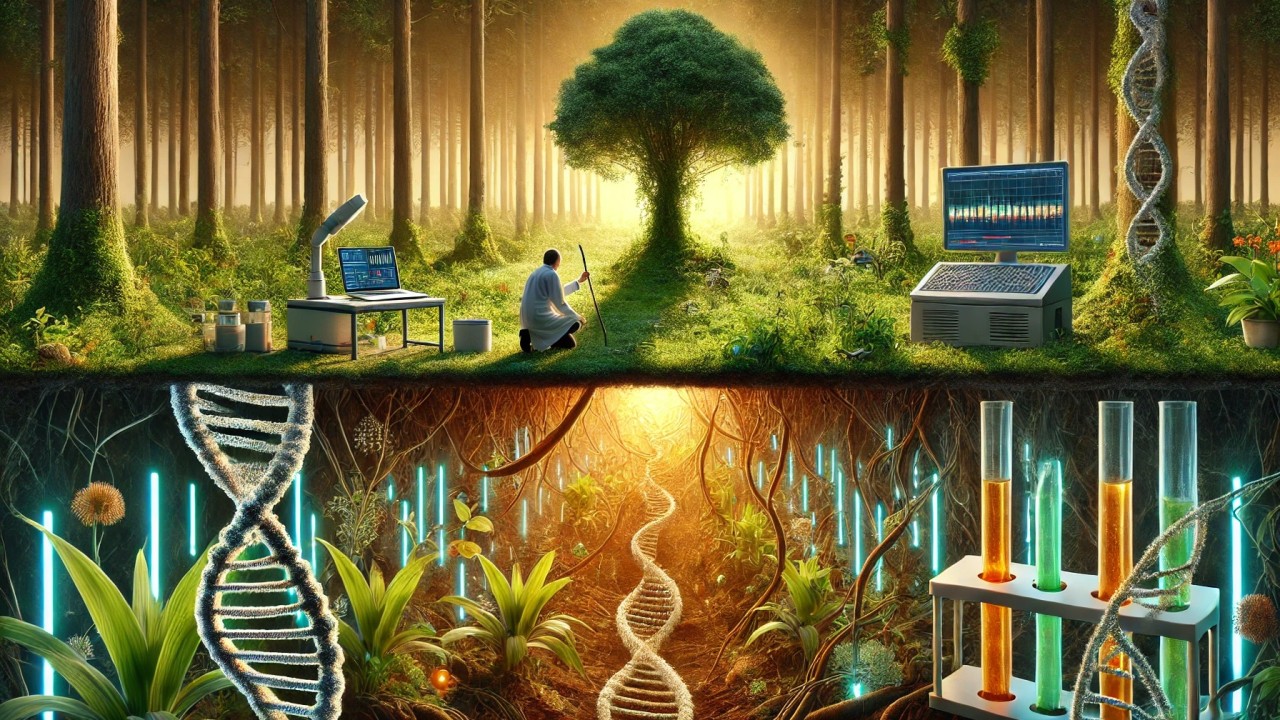
    Forests are complex and dynamic systems supporting everything from towering trees to microscopic fungi, and providing essential benefits such as carbon storage, flood mitigation, and wildlife habitat. Under increasing pressure from climate change and development, these ecosystems require accurate, timely monitoring to guide conservation and land management. Conventional field surveys, while valuable, can be labour-intensive, expensive, and prone to missing elusive or seasonal species. Recent research illustrates how soil environmental DNA (eDNA) offers a promising alternative, albeit with improvements. By isolating traces of genetic material shed by plants into the soil, researchers can capture a broad snapshot of both current and historical biodiversity.

    Why Soil eDNA Matters

    Vegetation maps and species inventories underpin reforestation initiatives, habitat restoration, and biodiversity protection. Yet many surveys are constrained by their reliance on visible plant features, which can be transitory or difficult to spot. Soil eDNA addresses these gaps by detecting genetic fragments that persist long after a plant has flowered or shed its leaves. It can also capture cryptic species that appear only for short periods each year.

    This capacity to reveal both present and historical traces proves especially useful in forests spanning strong environmental gradients. For instance, changes in soil calcium or water availability may only be apparent to the human observer at certain times, whereas genetic material can linger for months or even years. As such, eDNA analysis has become an appealing method for detecting subtle shifts in forest composition that might otherwise be missed.

    A study conducted in Norway sought to answer three key questions to evaluate eDNA’s potential:

    1. Can soil eDNA reliably capture the plant communities that occupy a given site?
    2. How do eDNA-based findings compare with conventional forest mapping?
    3. Do eDNA signals reveal environmental gradients reminiscent of those identified through traditional, field-based approaches?

    Study Overview and Methods

    Researchers chose Norway’s Hvaler archipelago—a region known for forests ranging from calcium-rich to relatively dry—to test soil eDNA’s effectiveness. They collected 31 soil samples from sites previously classified by the Nature in Norway (NiN) system, which organises forests into types based on expert knowledge and visible vegetation. After clearing surface debris, they extracted a standardised core of the organic horizon, where plant debris and roots accumulate. In the laboratory, each sample was homogenised to ensure consistency, and DNA was isolated through a two-step extraction process designed to capture both intracellular and extracellular fragments.

    Two genetic markers were targeted:

    • trnL (UAA) intron p6 loop – A short marker suited to degraded DNA, thereby capturing a more extended historical signal.
    • ITS2 – Potentially offering finer resolution for modern-day species, though it can suffer in the face of heavy DNA fragmentation typical of older soil samples.

    Sequenced DNA fragments were compared against curated reference databases covering the regional flora. Ordination techniques—namely detrended correspondence analysis and non-metric multidimensional scaling—helped reduce vast read-count data into interpretable patterns. These patterns were then compared with NiN classifications to determine how eDNA data might reinforce or extend traditional forest mapping.

    Comparisons with Traditional Approaches

    Overlap between eDNA results and NiN-based species lists ranged from roughly one-quarter to three-quarters per site, averaging about 50%. At first glance, this partial concordance might seem disappointing, but it reflects the inherent biases of each technique. Field surveys can miss inconspicuous plants—particularly if they are rare or unremarkable outside flowering season—while soil eDNA can detect traces from adjacent areas or from plants that disappeared years ago. In other words, eDNA often casts a wider net.

    Nevertheless, the eDNA data did align with one of NiN’s main ecological gradients—soil calcium. This correspondence shows soil eDNA’s capacity to highlight well-known environmental drivers of forest composition. Another eDNA-derived gradient, however, proved more enigmatic, perhaps reflecting drought tolerance, soil texture, or unmeasured factors that invite further investigation.

    Key Insights into Forest Ecology

    • Enhanced Detection By combining two genetic markers, researchers detected 70 plant taxa, including some overlooked in traditional surveys. These findings indicate eDNA’s strong potential to capture both common and cryptic species.
    • Refining Gradients The confirmation of a calcium-related gradient demonstrates eDNA’s ability to pick out major environmental influences. A secondary gradient, less explained by field observations, suggests the possibility of uncovering subtler parameters shaping forest communities.
    • Regional Signals Soil eDNA can incorporate traces from neighbouring stands, which may obscure precise local species lists. However, this regional influence can offer a broader perspective, detecting shifts across a landscape rather than just a single plot.

    Advantages of Soil eDNA

    1. Non-Invasive Sampling: Coring soil leaves minimal disturbance, allowing repeated collections without harming the site. This is ideal for monitoring how forests change over time.
    2. Efficiency and Scalability: High-throughput sequencing platforms can process numerous soil samples simultaneously, reducing the labour involved in large-scale field surveys.
    3. Capturing Past and Present: DNA degrades gradually, so older fragments can persist alongside those from living plants. Researchers can thus detect species that have left or arrived recently.

    Ongoing Limitations

    • Reference Library Gaps: Regions lacking comprehensive DNA databases will encounter difficulties identifying all recovered sequences, potentially missing important local taxa.
    • Marker Constraints: While trnL can remain informative under tough conditions, it often resolves only to genus level. ITS2 may yield species-level data but is more susceptible to degradation.
    • Interpreting Presence: Detecting a plant’s DNA does not guarantee its active growth onsite. Remnant or transported DNA may skew efforts to assign precise vegetation types.

    Future Prospects: Factors that could enhance eDNA’s utility in forest ecology

    1. Expanded Databases: Ongoing efforts to catalogue regional flora will minimise ambiguous matches and boost the accuracy of taxonomic assignments.
    2. Multiple Marker Sets: Including loci for underrepresented groups such as ferns or bryophytes could yield more holistic community snapshots.
    3. Advanced Bioinformatics: Machine learning might help distinguish between relic and current signals, refining our understanding of eDNA-based gradients.
    4. Long-Term Monitoring: Regular soil sampling could chart gradual shifts in forest composition, offering early warnings of climate-driven change or the spread of invasive species.

    Synthesis and Practical Implications

    From a forest management perspective, these insights into hidden diversity or unexpected ecological gradients can prove invaluable. By identifying early signs of stress or disturbance, eDNA monitoring might guide more proactive interventions. As reference datasets mature and analytical tools improve, we can expect greater precision and utility from eDNA surveys.

    Soil eDNA metabarcoding is poised to reshape forest ecology by offering rapid, inclusive snapshots of plant communities over time. Although it does not replace the depth of field-based expertise, it adds a powerful, complementary dimension. The traces of genetic material preserved in soil can illuminate both the present state and the recent past, revealing shifts that conventional surveys might easily overlook.

    It is a rapidly changing world. Integrating eDNA insights with traditional methods may enable forest managers, conservationists, and policymakers to spot emerging issues sooner and act more strategically. As these techniques become more refined, they promise a brighter, more adaptive future for forest monitoring—one where silent molecular evidence works hand in hand with expert observation. By embracing this innovative approach, we stand better equipped to protect and restore these vital ecosystems for generations to come.

  • Revolutionising Marine Conservation: Integrating eDNA and Bioindicators with Portable Biosensors

    Revolutionising Marine Conservation: Integrating eDNA and Bioindicators with Portable Biosensors

    Coral reefs are vibrant ecosystems that underpin marine life, protect coastal communities, and support local economies. Yet, rising sea temperatures and pollution have destabilised these delicate environments, triggering bleaching events and escalating disease outbreaks. Recent research has revealed an innovative method for detecting coral diseases at their earliest stages, combining environmental DNA (eDNA) analysis with portable biosensors.

    Preserving Coral Reefs in Challenging Times

    Often referred to as “rainforests of the sea,” coral reefs harbour rich biodiversity, promote coastal resilience, and support vital industries such as tourism and fisheries. However, prolonged environmental stress has eroded their defences. One notable threat is the pathogen Vibrio coralliilyticus, which remains benign under normal conditions but becomes virulent at higher temperatures, causing tissue damage and coral bleaching. Traditional monitoring methods, such as visual surveys and manual sampling, can be slow, labour-intensive, and risk overlooking early-stage disease. Scientists and engineers have therefore sought new ways to track pathogens before visible signs of coral decline appear.

    A New Paradigm for Early Detection

    This emerging solution combines eDNA-based bioindicators with a portable electrochemical biosensor that detects low concentrations of Vibrio coralliilyticus DNA in water. eDNA consists of genetic material shed by organisms through skin cells, mucus, and waste. Since it appears in the surrounding environment before corals exhibit clear signs of stress, eDNA provides an invaluable early warning. The portable biosensor then converts this genetic information into an electrochemical signal, enabling real-time monitoring with minimal effort.

    Several key questions guided the research. Could a portable biosensor accurately detect Vibrio coralliilyticus at extremely low levels in seawater long before visible damage was done to corals? Might nanomaterials—specifically cobalt-iron Prussian Blue Analogue (Co-Fe PBA)—enhance the sensor’s performance? Could early detection genuinely enable timely interventions and prevent the cascading damage often observed in reef ecosystems?

    Developing the Portable Electrochemical Biosensor

    The newly designed biosensor results from an interdisciplinary effort at the intersection of chemistry, biology, and engineering. Its core relies on two elements: eDNA as the biological indicator and Co-Fe PBA nanomaterials embedded within the electrode. This combination ensures that the sensor can detect even minute traces of target DNA.

    How the Biosensor Works: Corals—whether healthy or stressed—continuously release eDNA into their surroundings. The biosensor collects a water sample and utilises specialised oligonucleotide probes designed to detect Vibrio coralliilyticus DNA. When the target binds to these probes, it triggers an electrochemical signal that translates into a quantifiable measurement. The Co-Fe PBA nanoframes significantly enhance this process by providing an expansive surface area for probe attachment and facilitating rapid electron transfer. Notably, detection levels range from 100 femtomolar (fM) to 100 nanomolar (nM), exceeding many current monitoring methods.

    Material Synthesis and Validation

    Researchers synthesised Co-Fe PBA nanoframes in the laboratory, integrating these materials into the sensor’s electrode system to maximise probe density. The custom oligonucleotide probes were then subjected to stringent specificity checks to ensure they would not bind to the DNA of unrelated marine microorganisms. Following this, calibration tests confirmed that the biosensor maintained high sensitivity, a broad detection range, and strong specificity. Reproducibility studies revealed consistent outputs across multiple trials, while validation in controlled aquarium setups, which simulated rising seawater temperatures, assisted in correlating eDNA levels with the onset of coral stress and bleaching.

    Key Findings: A Promising Tool for Coral Monitoring

    One significant achievement was the clear characterisation of the Co-Fe PBA nanoframes. Microscopic and spectroscopic analyses confirmed a hollow, open cubic architecture with a high specific surface area of approximately 72 m²/g. This robust structure considerably enhanced electron transfer, reducing impedance from 81 Ω (bare electrode) to 68 Ω when the nanoframes were incorporated. In practical terms, the biosensor’s electrical response becomes more sensitive, enabling the detection of target DNA at exceedingly low concentrations.

    Further evaluations revealed a linear relationship between the sensor’s current signal and the logarithm of the target DNA concentration, which spanned from 100 fM to 100 nM. The limit of detection was 19.0 fM, demonstrating impressive sensitivity. In specificity tests, the sensor largely disregarded potential interfering species, emphasising its precise focus on Vibrio coralliilyticus. Its stability also proved remarkable; after a week at room temperature, the sensor maintained approximately 88% of its signal—an essential quality for field-based applications where regular maintenance is challenging.

    In controlled coral infection experiments simulating elevated seawater temperatures, the sensor detected a consistent rise in eDNA prior to any visible bleaching. When eDNA attained approximately 645 copies/µL at 30 °C, subsequent visual assessments confirmed a decline in coral health. Parallel measurements using droplet digital PCR showed no statistically significant differences from the biosensor results. This alignment with established methods enhances the device’s credibility as a real-time, on-site tool for diagnosing coral disease risk.

    Broader Implications for Marine Conservation

    Beyond its immediate benefits, the portable electrochemical biosensor illustrates how the integration of eDNA, bioindicators, and advanced nanotechnology can transform environmental monitoring. It highlights the importance of interdisciplinary collaboration—merging material science, molecular biology, and environmental engineering has proven especially fruitful. Most importantly, the ability for early detection can shift conservation strategies from reactive to preventive, potentially saving time, resources, and marine life.

    This research also emphasises the necessity for practical solutions that can function effectively outside of controlled laboratory environments. Genuine progress in conservation occurs when innovative science is coupled with operational simplicity and deployable field devices.

    Looking to the Future: A Brighter Horizon for Coral Reefs

    Several avenues for development exist. The researchers are examining microfluidic systems to streamline DNA extraction, accelerate the process, and enhance user-friendliness. The fundamental principles could be adapted to identify other marine pathogens or environmental indicators, transforming the device into a multi-purpose sentinel for diverse aquatic ecosystems.

    Real-time data analytics represents another significant frontier. Pairing the biosensor with advanced analytical platforms could revolutionise how field data is processed, enabling immediate insights into coral health trends and facilitating proactive interventions. Engaging with communities, policymakers, and conservation organisations will be essential for integrating these innovations into existing management frameworks and maximising real-world impact.

    For many countries, coastal resources are national treasures worth preserving. A portable electrochemical biosensor offers a compelling glimpse of how technology can bolster conservation. Its remarkable sensitivity, reliability, and ease of use allow environmental managers and local stakeholders to respond faster than ever before. By detecting the earliest signals of coral disease, we move closer to preserving the reefs that sustain biodiversity, livelihoods, and coastal protection.

  • Insights from Less Data: How Machine Learning and eDNA Streamline Marine Biomonitoring

    Insights from Less Data: How Machine Learning and eDNA Streamline Marine Biomonitoring

    Monitoring marine ecosystems is critical to understanding environmental changes and managing human impact. Traditional biomonitoring methods, while valuable, often struggle with limitations such as species misidentification and difficulty distinguishing closely related organisms.

    Environmental DNA (eDNA) analysis has transformed marine monitoring by detecting traces of genetic material left behind by organisms in water and sediment. However, eDNA studies generate vast datasets that require advanced analytical tools to extract meaningful insights. This is where machine learning, specifically the Random Forest algorithm, offers a breakthrough.

    A study demonstrated how Random Forest can process complex eDNA datasets to improve the efficiency and cost-effectiveness of marine biomonitoring. By optimising data usage, it provides accurate ecological assessments while reducing sequencing costs and computational burdens.

    What is Random Forest?

    Random Forest is an ensemble machine learning method that operates by constructing multiple decision trees. Each tree analyses a subset of the data and makes predictions, and the aggregated results provide a more robust and reliable outcome. This method is particularly well-suited to handling large, noisy datasets, such as those generated in eDNA studies.

    Refining eDNA-Based Marine Biomonitoring

    This study sought to optimise the use of eDNA data for marine biomonitoring by addressing two key questions:

    1. What is the minimum amount of sequence data required to maintain accurate predictions using Random Forest?
    2. Is this minimum threshold consistent across different monitoring objectives, such as assessing biotic indices, geographic origins, or aquaculture production phases?

    By answering these questions, researchers aimed to guide future sampling strategies, reducing sequencing costs and computational burdens without compromising ecological insights.

    Study Design and Data Collection

    The study was conducted at a Scottish salmon farm, where sediment samples were collected from locations ranging from near the fish cages to more distant reference sites. Using a grab sampler, researchers extracted small portions of surface sediment and preserved them for laboratory analysis.

    DNA was then extracted from these sediment samples, focusing on a specific 450-base pair section of bacterial DNA. This allowed researchers to profile microbial communities and assess environmental changes associated with aquaculture activities.

    Training the Random Forest Model

    Once sequencing was complete, the next step was to build and train the Random Forest model. The dataset, comprising bacterial DNA profiles, was linked to known sample attributes, such as proximity to fish cages and production phases.

    The model was trained using thousands of decision trees to enhance predictive accuracy. To assess performance, researchers employed out-of-bag (OOB) testing, a technique where each tree predicts outcomes for data it was not trained on. This provided an unbiased estimate of how well the model would generalise to new samples.

    To determine the minimum sequence requirement, the dataset was progressively reduced—starting with the full set of sequences and gradually cutting down to as few as 50 per sample. The goal was to evaluate whether Random Forest could maintain accurate predictions with less data.

    Key Findings

    The study compared full datasets with downsampled versions to assess the impact of data reduction on predictive accuracy. Results varied depending on the monitoring objective:

    • Predicting proximity to the fish farm: The full dataset achieved an 89% accuracy rate. Even when the sequence count was reduced to 5,000 per sample, predictions remained highly reliable.
    • Classifying salmon production phases: Remarkably, reducing the dataset to as few as 50 sequences per sample still maintained an accuracy of approximately 89%. This suggests that when differences between categories are distinct, minimal sequencing data is sufficient for robust predictions.
    • Assessing ecological quality and ballast water origin: The model required a higher sequence count—typically 2,500 to 5,000 per sample—to maintain performance. Predictions became less reliable when categories had overlapping or indistinct boundaries.

    These findings indicate that the optimal sequencing depth depends on how well genetic markers differentiate between target categories. In cases where distinctions are clear, fewer sequences can yield reliable results. Conversely, where distinctions are more subtle, deeper sequencing is required.

    Implications for Marine Biomonitoring

    A key takeaway from this study is that more data is not always better. Instead, strategic sequencing—focusing on obtaining just enough data to define key ecological categories—can reduce costs and computational load while maintaining high prediction accuracy.

    This has practical implications for regulatory bodies, industry stakeholders, and researchers relying on eDNA for environmental assessments. By tailoring sequencing efforts to the specific monitoring objective, it is possible to develop more cost-effective and scalable biomonitoring programmes.

    Looking Ahead: Smarter Environmental Management

    The integration of machine learning with eDNA analysis represents a step-change in how we monitor marine ecosystems. As environmental challenges grow more complex, leveraging intelligent data science tools such as Random Forest will be essential for efficient and sustainable resource management.

    By refining our approach to eDNA analysis, we can enhance our ability to detect ecological changes, support conservation efforts, and improve the sustainability of marine industries. This study marks a significant advance in making marine biomonitoring more accessible, effective, and responsive to real-world environmental challenges.