
Author: Francis Wamonje, PhD

  • The Synergy of AI and eDNA: A New Era in Biodiversity Conservation

    The Synergy of AI and eDNA: A New Era in Biodiversity Conservation

    As global biodiversity declines at an alarming rate, the need for effective monitoring tools has never been more pressing. Human activities—including pollution, climate change, invasive species, and habitat loss—have placed immense strain on ecosystems, unsettling the delicate balance of nature. In response, scientists are increasingly turning to innovative technologies to better understand and mitigate these disruptions. Among the most promising approaches is the integration of environmental DNA (eDNA) analysis with machine learning, offering a remarkable new vantage point for guiding conservation efforts.

    A New Framework for Ecological Insight: eDNA and Machine Learning

    What precisely is eDNA? In essence, it is genetic material that organisms release into their surroundings—through skin cells, saliva, urine, and other biological traces. By analysing these environmental samples, scientists can gain a detailed snapshot of local biodiversity, tracking which species are present, their abundance, and their distribution. This non-invasive method has revolutionised ecological assessments, yielding a depth of information previously unattainable through conventional techniques.

    Machine learning, a subset of artificial intelligence, has likewise emerged as a valuable asset in this domain. By discerning subtle patterns within extensive datasets, it can identify the complex interplay between environmental pressures and biological communities. This enables researchers to pinpoint the principal drivers of biodiversity loss and to develop targeted, data-driven strategies for conservation.

    A Breakthrough Study: Merging eDNA and Machine Learning

    Recent research in Switzerland has illustrated the transformative potential of combining eDNA and machine learning. Focusing on 64 monitoring sites, the study concentrated on freshwater macroinvertebrates—organisms that serve as vital indicators of aquatic health. By training a machine learning model to distinguish between reference and impacted sites from eDNA data, the scientists achieved an accuracy of 69.1%, significantly exceeding the 59.5% accuracy of traditional morpho-taxonomic methods reliant on physical traits.

    Methods and Results: A Deeper Dive

    This study employed eDNA metabarcoding coupled with machine learning to assess freshwater ecosystems.

    eDNA Metabarcoding: The researchers amplified a 142-bp fragment of the COI marker from water samples taken across 64 sites in Switzerland. Sequencing the resulting genetic material allowed them to identify operational taxonomic units (OTUs) at a 97% identity threshold, providing a comprehensive overview of local biodiversity.

    Machine Learning: The team applied a supervised machine learning approach using a Random Forest algorithm, which employed Gini impurity as a measure of importance. Trained on the genetic profiles of reference and impacted sites, the model successfully predicted land-use classes (e.g. pristine versus degraded) with impressive accuracy.

    A Primer on the Random Forest Algorithm

    The Random Forest algorithm is like a super-smart decision-making team made up of lots of “mini-experts” called decision trees. Each decision tree in the team gets a say in making a final decision, and they work together to give a reliable answer. How does it work?

    Imagine you are trying to decide the best place to plant trees to help wildlife. You ask a group of environmental experts (the decision trees) for their opinions. Each expert looks at different information—like soil type, sunlight, or nearby animals—and makes a suggestion. They do not all see the same data, so their ideas vary. Once they have shared their opinions, the group votes, and the most popular answer wins. This is how Random Forest works: it combines the wisdom of many “experts” to make reliable predictions about complex problems like the best habitat for trees or the health of an ecosystem.

    Now, back to the research…

    Key Findings: The Strength of eDNA and Its Significance The Swiss study demonstrated that machine learning models built from eDNA data can surpass or match traditional methods in identifying human impacts on ecosystems. Notably, these eDNA-based models excelled at detecting urban and agricultural pressures in river systems.

    Moreover, eDNA techniques unveiled a wealth of previously undetected species. While traditional sampling identified 86 organismal types, eDNA analysis revealed more than 1,600 unique genetic groups. This expanded perspective not only enriches our understanding of biodiversity but also bolsters ecosystem assessments and subsequent conservation measures.

    Refining Monitoring with Advanced Tools

    Why does this matter? Historically, monitoring has often depended on the manual collection and identification of specimens—an approach that can be slow, costly, and reliant on specialist knowledge. The Swiss research showed that integrating eDNA with machine learning yields three distinct advantages:

    1. Enhanced Coverage Across Scales: eDNA can capture biodiversity patterns across larger spatial and temporal scales. Its capacity to track how genetic material disperses through water bodies even reveals upstream impacts, providing deeper insights than traditional sampling alone.

    2. Richer and More Comprehensive Data: DNA-based methods detect a broader array of species, including those overlooked by conventional techniques. Diptera (flies), for instance, displayed far greater diversity when assessed through eDNA rather than standard morphological identification.

    3. Improved Cost and Time Efficiency: Once DNA is collected and sequenced in the laboratory, researchers can apply machine learning to interpret results rapidly, reducing labour-intensive steps and accelerating data analysis.

    The Role of Machine Learning: Turning Data into Action

    Machine learning excels in handling eDNA’s inherently complex and expansive datasets, often comprising numerous genetic markers. Traditional methods might disregard sequences that lack a perfect match in existing reference libraries. However, machine learning can incorporate these unlabelled markers, yielding improved predictions and uncovering meaningful ecological patterns. This approach does more than replicate past techniques—it extends and refines them, transforming our capacity to recognise environmental changes and respond swiftly.

    What’s Next for Environmental Monitoring?

    The integration of eDNA and machine learning opens several doors for future applications.

    Broadening Classifications: Beyond binary distinctions between “impacted” and “pristine” sites, advanced models could differentiate multiple environmental quality levels, informing more nuanced conservation measures.

    Finer-Scale Monitoring: As techniques mature, scientists may use these methods to track seasonal fluctuations, long-term changes, and spatial differences in biodiversity, enabling a more dynamic understanding of ecosystems.

    Accessible Innovations: Automated, data-driven approaches may reduce costs and technical barriers, allowing a wider range of organisations and regions to harness cutting-edge tools for biodiversity monitoring.

    Informed Policy and Conservation: Reliable, accessible, and detailed data offer policymakers and stakeholders the insight they need to target the most pressing environmental challenges effectively and promptly.

    Transforming Conservation with Data-Driven Solutions

    The alliance between innovative technologies and environmental science is reshaping our approach to biodiversity protection. By illuminating hidden patterns and lifeforms, eDNA offers a gateway to understanding ecosystems as never before, while machine learning refines these insights into concrete, actionable guidance.

    As the pressures on our natural habitats intensify, tools that are faster, more efficient, and readily scalable become indispensable. The synergy of eDNA and artificial intelligence exemplifies this progress, enriching our understanding of human impacts on biodiversity and guiding us towards measured, effective interventions.

    Let’s Stay Ahead of the Curve

    In an era defined by environmental uncertainty, blending genetic data with advanced analytics provides a promising pathway forward. Interdisciplinary solutions—unifying AI, molecular biology, ecology, and conservation—are meeting some of the greatest sustainability challenges of our time. Are you curious about the future of ecosystem monitoring? Let’s continue the conversation—connect and share your thoughts!
  • Using eDNA to Trace the True Origin of Honey: Insights from Indonesian Beekeeping Practices

    Using eDNA to Trace the True Origin of Honey: Insights from Indonesian Beekeeping Practices

    Honey, often called “liquid gold,” has been cherished across cultures for its health benefits, culinary versatility, and even symbolic significance. Yet, beyond its sweetness and nutritional value, honey holds a wealth of untapped information about its origins. A recent study in Karangasem, Bali, Indonesia, showcases how modern DNA analysis techniques can trace the geographical and botanical sources of honey, shedding light on its unique identity and offering insights into sustainable beekeeping practices.

    Karangasem, located in eastern Bali, is renowned for its exceptional biodiversity, encompassing both lush terrestrial landscapes and vibrant marine ecosystems. Indigenous plant species such as Syzygium (known locally as Jambu Klampok or Jambu Mawar) and Schleichera (Kesambi wood) play a vital role in shaping the region’s natural environment. These plants are not just ecological fixtures; they also influence the characteristics of honey produced by local bees. Among the prized varieties is Karangasem’s “black honey,” a unique product derived from the region’s tropical forests. Harvested by local bees that forage on a diverse array of flora, this honey boasts a distinct flavour profile reflective of its botanical heritage.

    The Importance of Honey Authenticity

    In today’s globalized market, ensuring the authenticity of food products is a pressing concern for consumers and producers alike. Honey, particularly premium varieties associated with specific regions, has become a prime target for fraud. Counterfeit products, often mislabelled or adulterated, undermine consumer trust, and devalue genuine honey. This issue is especially problematic for local beekeepers, whose livelihoods depend on the reputation and quality of their honey. Mislabelling not only diminishes their income but also erodes the cultural and ecological connections that authentic honey embodies.

    By pinpointing the exact origins of honey, producers can safeguard their products’ integrity, protect local branding, and assure consumers of its quality. Modern scientific advancements, such as DNA metabarcoding, offer a powerful tool to achieve this, providing unparalleled insights into the complex journey from flower to hive to table.

    Pollen DNA Metabarcoding: A Window into Honey’s Origins

    Pollen DNA metabarcoding represents a cutting-edge approach to uncovering honey’s botanical and geographical roots. This technique analyses trace pollen DNA found in honey to identify the plant species that bees foraged on. By mapping these plant signatures, scientists can trace honey back to its floral and regional sources with remarkable precision.

    In Karangasem, researchers applied this technology to honey produced by two key bee species: the Asian honey bee (Apis cerana) and the Itama stingless bee (Heterotrigona itama). These bees represent different foraging behaviours and ecological niches, making them ideal subjects for studying the interplay between flora and honey production.

    The Science in Action: How DNA Analysis Works

    The study followed a process to extract and analyse DNA from honey, overcoming challenges posed by its high sugar content. The key steps included:

    Sample Collection: Honey samples were collected from Karangasem’s biodiversity-rich areas to ensure they reflected the region’s unique floral composition.

    DNA Extraction: Specialized techniques were used to isolate DNA from the honey. The high sugar concentration in honey can interfere with DNA extraction, requiring careful optimisation.

    Sequencing and Bioinformatics: A specific primer (ITS2) was used to amplify the pollen DNA. This genetic data was then processed using advanced bioinformatics tools to identify the plant species present.

    Key Findings: Decoding the Floral Signatures of Honey

    The analysis revealed fascinating insights into the floral preferences of the two bee species:

    • Apis cerana honey: This honey contained pollen from 11 diverse plant genera, reflecting the bees’ broad foraging range. The genus Schleichera (Kesambi) was the most dominant, accounting for 72.8% of the pollen composition.
    • Heterotrigona itama honey: In contrast, this honey exhibited a near-monodominance of Syzygium (Jambu Klampok), which constituted 99.95% of its pollen.

    These differences highlight the distinct foraging strategies of the two species. While Apis cerana explores a variety of plants, H. itama tends to focus on specific floral sources, resulting in honey with a more uniform botanical profile.

    Connecting Honey to Its Geographic Roots

    The study confirmed that all plant DNA in the honey samples matched species native to the Karangasem region. This strong link between the honey and its local flora reinforces its authenticity, offering a scientific basis to protect local honey brands from misrepresentation.

    Interestingly, a comparative analysis of Indonesian and Malaysian honey revealed overlapping plant genera, such as Syzygium. However, each region displayed unique floral profiles. Indonesian honey, for instance, featured Schleichera, Artocarpus, and Mangifera, while Malaysian honey included Corynandra and Acacia. These distinctions underscore how geography shapes honey’s identity and highlight the rich biodiversity of Southeast Asia.

    Molecular Techniques vs. Traditional Methods

    Traditionally, honey’s origin has been determined through melissopalynology—the microscopic examination of pollen grains. While dependable, this method is time-intensive and depends heavily on expert interpretation. DNA metabarcoding offers a faster, more precise alternative. By providing high-resolution data, this approach enables researchers and producers to trace honey’s origins more efficiently and accurately, making it a valuable tool for both scientific research and commercial applications.

    Beyond Indonesia: Implications for the Global Honey Industry

    The findings from Karangasem carry broader implications for the global honey market. Similar techniques can be applied worldwide to:

    • Authenticate honey products and combat counterfeit goods.
    • Analyse how environmental changes and land use impact bee foraging patterns.
    • Enhance the value of honey by verifying its premium quality and unique origins.

    By adopting DNA-based authentication methods, the global honey industry can promote transparency, protect local producers, and meet the growing consumer demand for traceable, ethical products.

    Advancing Sustainability in Beekeeping: A Sweet Path Forward

    The study from Karangasem offers a compelling example of how traditional knowledge and modern science can work together to protect and celebrate honey’s authenticity. By tracing its floral and geographical roots, we preserve the integrity of honey as a product deeply connected to its environment. With advancements like DNA metabarcoding, we can ensure that every drop of honey tells a story that is unadulterated, authentic, and deeply rooted in the environment it comes from.

    This research highlights the critical role of sustainable beekeeping practices in preserving biodiversity and supporting ecological balance. By understanding the foraging behaviours and floral preferences of local bees, farmers can preserve native plant species, ensure a stable food source for pollinators, and align honey production with natural ecosystems to minimise environmental impact. These efforts are crucial for maintaining the health of bee populations, which are essential for pollination and broader biodiversity.

    Moreover, empowering local communities through the production of authentic, region-specific honey strengthens their market position and fosters economic resilience. As consumer preferences shift toward sustainably produced goods, initiatives like this not only protect the environment but also offer significant economic benefits.

  • Smart Farming: How DNA and Video Tracking Transform Understanding of Insects and Plants in Avocado Farming

    Smart Farming: How DNA and Video Tracking Transform Understanding of Insects and Plants in Avocado Farming

    Sustainable agriculture relies on effectively managing both beneficial and harmful interactions between crops and their environment. Technological innovations in biodiversity monitoring—such as digital video recordings (DVRs) and environmental DNA (eDNA) metabarcoding—are transforming our ability to monitor arthropod activity in farming systems. Arthropods play a dual role in agriculture: they contribute to pollination, pest control, and ecosystem health, but also to herbivory and disease spread. Beneficial species like honeybees and wild pollinators are vital for consistent yields in many crops, while pests, pathogens, and invasive species pose significant risks to global food supplies. Integrated monitoring is essential to balance these interactions, especially amid increasing stressors like habitat loss, pesticide use, and climate change.

    Modern Alternatives- DVRs and eDNA

    Before technological advancements, arthropod monitoring heavily relied on conventional methods such as sweep netting and visual observations. These approaches often require intensive manual labour and expert identification, posing challenges for large-scale agricultural systems. Digital video recordings have emerged as a valuable tool for tracking flower-visiting arthropods, successfully documenting visitation behaviours and capturing multiple interactions simultaneously.

    However, DVRs have limitations. They are less effective in identifying small or cryptic species and cannot monitor nocturnal insects. In response, new molecular techniques like eDNA metabarcoding have gained traction. This method uses DNA from flowers or other substrates to reveal the arthropod taxa present, capturing both large-scale and fine-scale interactions within orchards. A recent study compares these two methods in revealing plant-insect interactions in Avocado orchards.

    What is eDNA and Why Does It Matter?

    Environmental DNA (eDNA) refers to trace genetic material left behind by organisms in their environment—whether in soil, water, or air. When coupled with metabarcoding, this molecular tool can amplify and sequence DNA fragments, providing rich taxonomic insights unattainable through traditional methods. For agriculture, this means a deeper understanding of the dynamic and often complex interactions between crops and arthropods.

    How was the study conducted?

    Inflorescences were collected from two ‘Hass’ avocado orchards, Marron Brook Farm (MB) and Bendotti Avocados (BA), located in the Manjimup-Pemberton region of southwest Western Australia. This region is characterised by agricultural lands interspersed with remnants of native karri forest. MB orchard, situated approximately 200 meters above sea level, comprises ‘Hass’ trees interspersed with ‘Fuerte’ pollinisers, while BA orchard, located about 16 kilometres south-southwest of MB at 138 meters above sea level, cultivates only ‘Hass’ trees.

    To assess the arthropod communities visiting the avocado flowers, eight ‘Hass’ trees of similar age and height were randomly selected in each orchard. Ten inflorescences were collected from each tree during both low and peak flowering periods in 2020, with samples taken evenly from the upper and lower canopies to minimise bias.

    In the laboratory, each eDNA sample was assessed using quantitative PCR targeting the Cytochrome Oxidase 1 (CO1) gene, a standard marker for arthropod identification due to its variability among species. Replicate amplifications were pooled and sequenced using an Illumina MiSeq platform.

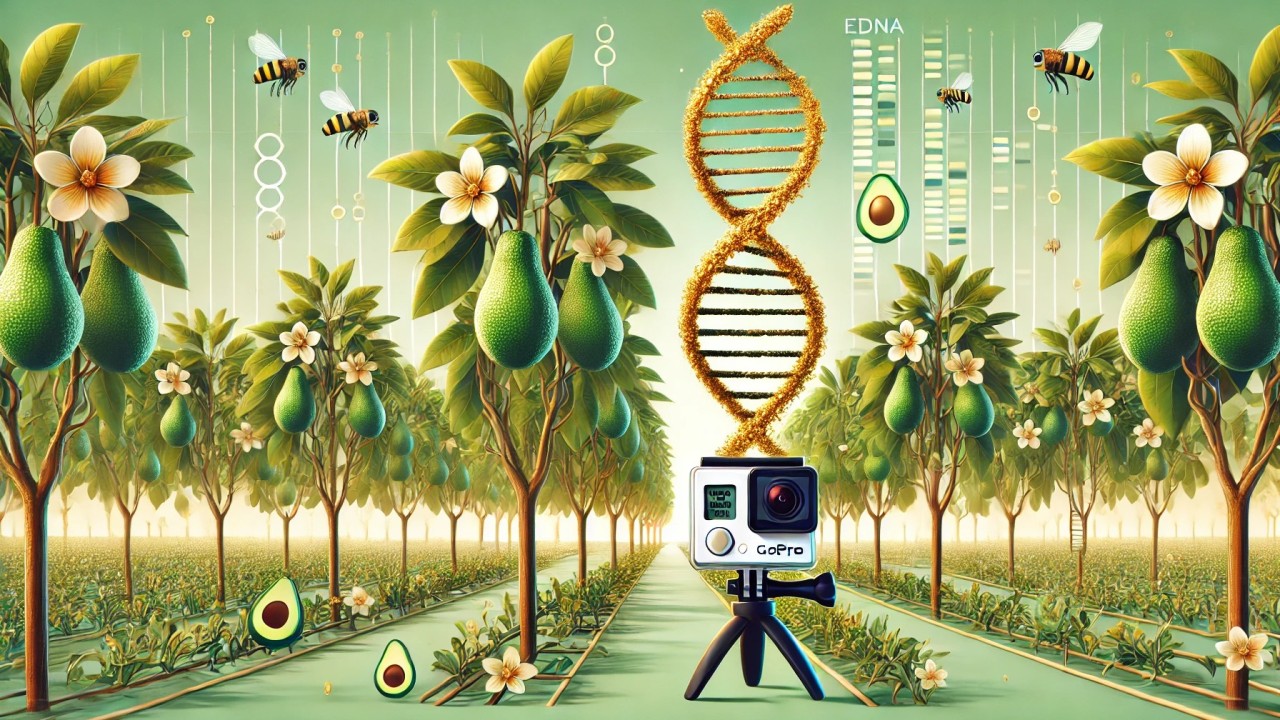
    Simultaneously, digital video recordings (DVRs) were employed to visually monitor arthropod visits to the flowers. GoPro cameras were mounted on stands to observe two inflorescences per tree in the lower canopy, capturing time-lapse images to maximise battery life. Recordings were made during optimal weather conditions for bee activity to ensure representative sampling of pollinator visits.

    DNA Analysis Reveals Diverse Arthropod Presence on Avocado Flowers

    The eDNA analysis revealed a diverse array of arthropods on the avocado flowers, identifying 60 different taxa across 42 families. Common detections included potential pest species like thrips, beneficial pollinators such as the honeybee (Apis mellifera), and possible plant parasites. On average, each flower sample contained DNA from about two arthropod species.

    In contrast, the video recordings observed 23 taxa across 22 families visiting the flowers. The most frequently seen visitors were hoverflies, honeybees, and blowflies. Out of over 15,000 recorded flower visits, the majority were made by hoverflies, followed by honeybees and blowflies.

    Flowering Intensity, Canopy Position, and Orchard Location Affect Findings

    Statistical analyses indicated that the diversity of arthropods detected through eDNA varied with flowering intensity, canopy position, and orchard location. Significant differences were found in the detection of certain groups, such as flies and bees, between low and peak flowering periods and between the two orchards. Notably, samples from the upper canopy had higher detection rates for bees, wasps, and other arthropods compared to those from the lower canopy.

    Video observations also showed significant changes over time and between orchards. The number of arthropod visits recorded increased markedly from low to peak flowering in both orchards, especially at the MB orchard. Hoverflies showed the most significant increase during peak flowering, particularly at MB. Visits by honeybees and other flies also increased notably in this orchard, while the BA orchard showed smaller changes.

    No Link Found Between Arthropod Size and DNA Detection Probability

    Contrary to expectations, the study found no link between the size of an insect and its likelihood of being detected through eDNA. It was initially thought that larger insects might leave more DNA on flowers, increasing their chances of detection. However, results suggested that detection depends more on how insects interact with the flowers—such as which parts they touch—rather than their size.

    The Importance of Combining eDNA and Video Observations for Comprehensive Monitoring

    The study highlights the value of combining eDNA analysis with video observation methods for comprehensive monitoring. While eDNA provided a broad overview of the insect community, detecting many species missed by video recordings—including small or nocturnal insects—the videos captured detailed information on insect behaviour and abundance. For example, videos observed species like hoverflies in large numbers that were less prominent in eDNA results. Together, these methods offer a more complete understanding of the interactions between crops and arthropods, enabling better-informed management decisions.

    Integrating eDNA Metabarcoding into Natural Capital Accounting

    Quick and accurate detection of both beneficial and harmful insects is essential for sustainable agriculture and the valuation of ecosystem services. This study demonstrated that eDNA metabarcoding could be a valuable tool for natural capital accounting in agroecosystems. By regularly monitoring the presence of pollinators, pests, and predators, eDNA analysis can help quantify ecosystem services like pollination and biological pest control.

    Integrating eDNA monitoring into agricultural practices allows for the development of metrics that assess ecosystem health and biodiversity. These metrics can be communicated to farmers to inform management decisions that balance productivity with conservation. For example, understanding the diversity and abundance of pollinators and predators can encourage farming practices that reduce pesticide use and promote beneficial insects.

    Future improvements in eDNA technology, such as advanced sequencing methods and multiple genetic markers, can enhance detection accuracy, including rare or emerging pest species. While eDNA provides detailed species information, combining it with traditional methods like video observations ensures a more comprehensive understanding of the insect community.

  • Revolutionising African Swine Fever Surveillance with Environmental DNA

    Revolutionising African Swine Fever Surveillance with Environmental DNA

    This work presented in this study resonates with my science journey. Having worked on African Swine Fever (ASF) during my first postdoctoral experience in Tanzania, I witnessed firsthand the devastating impact this disease has on pig farming. The search for solutions was urgent, and at the time, we were exploring genomic approaches to tackle the ASV outbreaks.

    This article highlights a promising new method—using environmental DNA—for ASF surveillance. The work was conducted in Italy-where ASF outbreaks have been reported. ASF outbreaks in northern Italy, in January 2022, led to the culling of nearly 120,000 pigs to contain the disease, threatening the nation’s €20 billion pork industry, including prized prosciutto production.

    African Swine Fever is a highly contagious viral disease that has devastated wild and domestic pig populations across Eurasia since 2007. It poses a significant threat to agriculture and wildlife ecosystems, especially through its association with wild boars, which play a key role in maintaining and spreading the virus. Controlling ASF is challenging, making rapid and efficient detection methods essential for effective management and containment of outbreaks.

    The Urgency of Addressing African Swine Fever

    ASF’s ongoing spread highlights the need for new surveillance methods. Traditional techniques involve directly sampling animals, which is invasive, time-consuming, costly, and risky because it requires close contact with potentially infected wildlife. In areas with many wild boars, monitoring becomes even more difficult. Therefore, non-invasive, cost-effective, and reliable surveillance tools are urgently needed to track the virus. Environmental DNA (eDNA) is a groundbreaking tool for monitoring. It consists of genetic material collected from environmental samples like water, soil, or air—without needing to capture or see the organisms themselves. This technique shows great promise for detecting diseases in various ecosystems. By analysing eDNA, researchers can identify specific species and their pathogens, making it invaluable for disease surveillance.

    Research Objectives and Questions

    The main goal of this study was to develop and validate an eDNA sampling method suitable for muddy water and soil environments to detect ASF virus (ASFV) and wild boar DNA. The researchers aimed to answer:

    1. Can eDNA effectively detect ASFV and wild boar DNA in natural, muddy environments?
    2. What are the best conditions and methods to maximise eDNA recovery from challenging samples like muddy water and soil?
    3. How reliable and consistent is eDNA compared to traditional methods for early ASFV detection?

    Methodology: From Field to Laboratory

    The research took place in La Mandria Regional Park near Turin, Italy, spanning about 2,700 hectares. This park is home to various hoofed animals, including wild boars, red deer, roe deer, and fallow deer, with a high density of wild boars (about 15 per square kilometre). Importantly, the park is free of ASF and has no pathogen management restrictions, making it ideal for testing the method.

    Four mudholes in the park were randomly selected and monitored with camera traps to confirm wild boar use. On sampling day, seven litres of muddy water were collected from each mudhole using a pump. To prevent contamination between samples, the tubes were cleaned with a 20% bleach solution between collections. Additionally, small soil samples (5 millilitres) were collected from each site, and a special buffer (Buffer AVL™) was added to deactivate any potential ASFV while preserving the DNA.

    Laboratory Procedures and Sample Preparation

    In the lab, researchers created a synthetic piece of ASFV DNA based on known sequences. They prepared four different dilutions of this synthetic DNA, each with varying amounts, and added them to separate water and soil samples. After a 12-hour incubation at room temperature, the water samples were filtered using fine filters (0.1 μm). Buffer AVL™ was added to help recover the DNA. The soil samples were shaken and centrifuged to separate sediments, and then the DNA was purified using a special kit (DNeasy PowerSoil Pro Kit).

    qPCR Assays for ASFV and Wild Boar Detection

    To detect ASFV and wild boar DNA, the researchers used quantitative Polymerase Chain Reaction (qPCR), a technique that amplifies DNA to detectable levels. For ASFV, they used iTaq Universal SYBR Green Supermix with specific primers (short DNA sequences that initiate amplification). For wild boar DNA, they used TaqMan™ Universal PCR Master Mix with appropriate primers. Each test was conducted three times to ensure accuracy, and a sample was considered positive if at least two out of three tests exceeded the limit of quantification (the smallest amount that can be reliably measured).

    Key Findings: eDNA Proves Its Worth

    The study showed promising results, demonstrating that eDNA can effectively detect ASFV and wild boar DNA in challenging environments.

    • ASFV Detection: All water and soil samples spiked with synthetic ASFV DNA tested positive. Soil samples gave more consistent results than water samples, possibly because DNA is better preserved in soil.
    • Wild Boar DNA Presence: Wild boar DNA was found in almost all water and soil samples, except for one soil sample that didn’t meet the required detection limit in two out of three tests. This suggests that eDNA is effective at detecting wild boars even without recent direct sightings.
    • DNA Preservation: Soil samples not only preserved ASFV DNA better but also had higher concentrations of wild boar DNA, indicating that soil might be a more reliable medium for long-term eDNA monitoring.

    Broader Impact: Beyond ASF

    This research has implications beyond African Swine Fever. Using eDNA techniques could help monitor many wildlife diseases and support biodiversity conservation. To make the most of eDNA in managing wildlife diseases, future studies should:

    1. Field Validation: Test the eDNA methods in various real-world settings to assess their robustness and adaptability.
    2. Improved Molecular Techniques: Develop advanced tests that can differentiate between DNA from wild and domestic pigs for more precise monitoring.
    3. Integration with Other Systems: Combine eDNA data with traditional monitoring methods and technologies to create comprehensive disease surveillance networks.

    Integrating eDNA into disease surveillance is a major step forward in managing wildlife health. As ASF continues to challenge regions across Eurasia and beyond, innovative methods like eDNA sampling offer the tools needed to monitor and combat the disease effectively. Ongoing research in this field will not only help control ASF but also lay the groundwork for managing other wildlife diseases, ensuring the preservation of animal populations and agricultural stability.

  • Beneath the Canopy: Exploring Soil Biodiversity of Wild Cacao in Colombia’s Chocó Region

    Beneath the Canopy: Exploring Soil Biodiversity of Wild Cacao in Colombia’s Chocó Region

    Colombia is renowned for its exceptional ecological wealth, consistently ranking among the most biodiverse countries in the world. Within its borders lies the Biogeographic Chocó, a region of critical ecological importance along the Pacific coast that extends into neighbouring Panama and Ecuador. This area is distinguished by its extraordinary rainfall—among the highest globally, reaching up to 12,000 millimetres per year—which nurtures dense rainforests harbouring a remarkable array of endemic species. These include rare plants, amphibians, birds, and invertebrates that thrive in its unique climatic and geographical conditions.

    Among the myriad species inhabiting the Chocó are wild relatives of Theobroma cacao, commonly known as the cocoa/ cacao tree, the source of chocolate’s essential ingredient. These wild relatives include Theobroma glaucum (glaucous cacao), Theobroma simiarum (monkey cacao), Herrania cf. purpurea (purple herrania), and Theobroma cf. hylaeum (hylaeum cacao). They are not only crucial for maintaining biodiversity but also hold potential solutions to some modern agricultural challenges, such as disease resistance and adaptability to changing climates. These plants may offer genetic traits that can improve cultivated cacao, which is economically and culturally significant worldwide.

    With increasing environmental pressures from climate change and deforestation, understanding the relationships between these wild cacao species and their surrounding ecosystems becomes imperative. Exploring the microbial diversity in the soil where these wild relatives grow can uncover biological interactions that aid in biocontrol, improve soil health, and enhance the plants’ resistance to stressors, including heavy metal accumulation like cadmium. A recent study has yielded interesting findings.

    Cadmium Concerns in Cacao Cultivation

    Cadmium is a toxic heavy metal that poses significant concerns in agriculture, particularly in cacao cultivation. It can accumulate in the soil and be absorbed by cacao plants, leading to contamination of cocoa beans and, consequently, chocolate products. This contamination presents health risks to consumers, including kidney damage and bone demineralisation. Moreover, high levels of cadmium in cacao beans can affect their marketability, as strict international regulations limit cadmium content in food products. Understanding how cadmium interacts with cacao plants and their associated soil environments is crucial for developing strategies to mitigate its impact.

    Soil Sampling Study Methodology

    In March and April 2021, researchers conducted a soil sampling study to capture the microbial diversity associated with wild cacao relatives. They collected 25 soil samples from previously geo-referenced trees in the village of La Victoria, located in the Department of Chocó, Colombia. The targeted species were Theobroma glaucum (glaucous cacao), Theobroma cacao (cocoa tree), Theobroma simiarum (monkey cacao), Herrania cf. purpurea (purple herrania), and Theobroma cf. hylaeum (hylaeum cacao). These trees were situated in two distinct areas of La Victoria: Baudó and Atrato.

    For each tree, the researchers established a circular plot with a one-metre radius around the base. Soil samples were collected from eight equidistant points within this plot to ensure a representative sample of the surrounding area. Before sampling, surface litter and organic layers were carefully removed to access the non-rhizosphere soil from the upper soil horizon, between 0.00 and 0.30 metres deep. Approximately 250 grams of soil from each of the eight points were combined into a single homogenised composite sample for each tree, capturing the variability of microbial communities around each tree.

    The samples were stored in sterile, airtight plastic bags to prevent contamination, and in the laboratory, they were immediately frozen at –20 °C until DNA extraction. The study employed extracellular DNA metabarcoding as the primary method for investigating the soil samples. This technique involves extracting DNA directly from environmental samples to identify a wide range of microbial species present, without the need for culturing them in the lab. It is highly effective for analysing complex microbial communities and provides insights into the biodiversity of soil microorganisms.

    In addition to microbial analysis, subsamples of 500 grams from each composite sample were sent for physicochemical testing. This analysis included assessments of various soil properties, such as pH levels, electrical conductivity, cation exchange capacity, organic carbon content, and cadmium concentration. These measurements are crucial for understanding soil health and its potential impact on cacao plants, particularly concerning heavy metal accumulation.

    Microbial Diversity Findings

    The microbial community analysis highlighted the diversity of bacteria and fungi present in the soil. The dominant bacterial phylum identified was Acidobacteriota, known for its role in nutrient cycling and adaptation to various environments. Other significant bacterial phyla included Proteobacteria and Verrucomicrobia, both critical for maintaining soil health and supporting plant growth.

    The fungal communities were primarily composed of Ascomycota, Mortierellomycota, and Basidiomycota. These fungi play various roles in the ecosystem, from decomposing organic matter to forming symbiotic relationships with plants. Some fungi, such as those from the genus Mortierella, are known to promote plant growth and enhance nutrient uptake.

    However, the study also identified potentially harmful fungal species, including Fusarium and Colletotrichum. These pathogens could adversely affect cacao health, causing diseases that impact yield and quality.

    Soil Physicochemical Properties

    The analysis revealed differences in soil properties between the two sampled locations, Baudó and Atrato. Variations were observed in several soil characteristics, including pH levels, magnesium saturation, aluminium saturation, and cadmium concentration. The soil acidity or alkalinity (pH levels) can influence microbial communities and plant nutrient availability. Differences in magnesium content affect soil fertility and plant health, as magnesium is a vital nutrient for plants. High levels of aluminium can be toxic to plants, impacting growth and productivity.

    Notably, variations in cadmium levels were linked to specific species of Theobroma, particularly Theobroma glaucum (glaucous cacao). This species showed significant correlations with cadmium content in the soil, suggesting it may be more affected by cadmium accumulation compared to other cacao relatives studied. Understanding these differences is essential for developing strategies to mitigate cadmium uptake in cacao plants.

    Implications for Cacao Cultivation, Conservation, and Future Research

    This study highlights the intricate relationships between wild cacao relatives, soil properties, and microbial communities, which collectively influence plant health, nutrient uptake, and resistance to stressors such as heavy metal accumulation and pathogens. Beneficial microbes can enhance plant resilience, while pathogenic organisms pose risks that require management. Understanding these interactions is essential for developing sustainable agricultural practices.

    There is an urgent need for conservation strategies in the Chocó region to prevent biodiversity loss, particularly of wild cacao relatives. Protecting these species is crucial not only for maintaining ecological balance but also for safeguarding genetic resources that could enhance cacao cultivation globally. Future research could focus on exploring (genetic) cadmium tolerance dynamics among cacao plants and their associated microbial communities, as well as investigating how beneficial soil microorganisms can improve plant resilience and reduce cadmium accumulation.

    Additionally, comprehensive biodiversity assessments will deepen our understanding of soil organisms and their functions. Utilising beneficial microbes—such as introducing specific microbial inoculants—could improve nutrient uptake, enhance disease resistance, and mitigate heavy metal accumulation in cacao plants for long-term sustainability of cacao production.

  • Revolutionising Greenhouse Pest Management with Environmental DNA: Early Detection of Pests in Tomato Plants

    Revolutionising Greenhouse Pest Management with Environmental DNA: Early Detection of Pests in Tomato Plants

    In the pursuit of more efficient and sustainable agriculture, finding innovative ways to detect crop pests is crucial. A groundbreaking study has shown how environmental DNA (eDNA) technology could transform pest monitoring in agriculture, especially in greenhouses.

    What Is Environmental DNA (eDNA)?

    Environmental DNA is a modern method for detecting different species without seeing them directly. Instead of relying on visual identification, eDNA technology detects organisms through the genetic material they leave behind—tiny traces of DNA shed into their environment. This DNA can be collected from places like soil, water, and plant surfaces.

    The study focuses on two pests that significantly harm tomato plants grown in greenhouses:

    1. Sweetpotato Whitefly (Bemisia argentifolii)- previously B. tabaci Biotype B
    2. Twospotted Spider Mite (Tetranychus urticae)

    Meet the Pests

    Sweetpotato Whitefly

    The Sweetpotato Whitefly is a tiny insect, about 0.9 millimetres long, but it can cause big problems. It is considered a “supervector,” meaning it can spread many different plant viruses when it feeds on plants. These viruses can lead to significant crop losses. Because the whiteflies are so small and tend to hide, they are hard to spot early on. Early detection is important to prevent damage. For example, in Georgia, USA, whitefly infestations in 2017 led to over $100 million in crop losses.

    Twospotted Spider Mite

    The Twospotted Spider Mite is a minuscule creature, about 0.4 millimetres in size, that feeds on a wide variety of plants—over 1,100 species, including 150 types of crops. When they feed on tomato plants, they can reduce yields by up to 50%. They reproduce quickly, and heavy infestations can kill plants. Their small size and ability to adapt make them hard to control and identify early, highlighting the need for advanced monitoring methods like eDNA.

    Both pests thrive in greenhouse environments because of the favourable conditions and abundant food. Detecting these pests early using eDNA methods could help reduce economic losses and lessen the need for chemical pesticides, leading to more sustainable tomato farming.

    The Study’s Goals and Methods

    The research aimed to develop better ways to detect these pests by:

    • Testing DNA Detection Tools: Evaluating how well current and newly designed DNA primers work. Primers are short strands of DNA that start the copying process in DNA detection.
    • Comparing Detection Methods: Looking at the sensitivity of standard PCR (Polymerase Chain Reaction) versus real-time PCR (qPCR). PCR, or Polymerase Chain Reaction, is like a photocopier for DNA. Scientists use it to make millions of copies of a specific piece of DNA because the original amount is usually too small to study directly. This is helpful for things like diagnosing diseases, studying genes, or identifying organisms.
    • Improving DNA Extraction: Developing faster methods to extract DNA from environmental samples.
    • Ensuring Accuracy: Making sure the new methods specifically target the pests without picking up DNA from other species.

    How Was the Experiment Conducted?

    Growing the Plants and Pests

    Tomato plants were grown for four weeks, first in controlled growth chambers and then moved to a greenhouse. The Sweetpotato Whitefly and Twospotted Spider Mite were also raised in controlled conditions. They were then introduced to the tomato plants for 24 hours using special clip-on cages attached to the leaves.

    Amplifying the DNA with PCR

    After the pests had time to infest the plants, scientists collected eDNA by rinsing the leaves with clean water to wash off any genetic material left by the pests. This water was then filtered to collect the DNA on tiny membrane filters, which were stored in a freezer until it was time to extract the DNA.

    Amplifying the DNA with PCR

    In this study, two types of PCR were used:

    1. Conventional PCR (cPCR): This is the standard method where DNA is copied in cycles, and the results are seen at the end. Primers targeting a specific gene (the mitochondrial CO1 gene) were used. However, this method was not sensitive enough to detect very small amounts of DNA.
    2. Real-Time PCR (qPCR): This method allows scientists to see the DNA amplification as it happens in real-time. It proved to be more sensitive and reliable, especially for detecting low levels of DNA. The researchers developed new primers specifically for this study to improve accuracy and avoid detecting other pests by mistake.

    Testing for Accuracy and Sensitivity

    The new primers were designed to be highly specific, meaning they would only amplify DNA from the target pests and not from other common greenhouse insects. They focused on specific gene regions:

    • For Whiteflies: The 18S ribosomal RNA gene region.
    • For Spider Mites: The mitochondrial CO1 gene.

    Key Findings and Innovations

    The study revealed several important points:

    • Improved Primers: The newly developed primers were much better at specifically detecting the target pests. They were more sensitive and accurate than the existing primers.
    • Better Detection Methods: Real-time PCR (qPCR) was more effective than conventional PCR (cPCR), especially for finding pests when their numbers were low.
    • Efficient DNA Extraction: The QuickExtract kit was more effective for extracting DNA from samples with low pest infestations compared to the Qiagen kit.
    • High Specificity: The new primers did not react with DNA from non-target species, ensuring that the detection was precise and reliable.

    What Does This Mean for Agriculture?

    This research has significant implications for modern farming:

    Early Detection: The high sensitivity of the eDNA methods means pests can be detected earlier, allowing farmers to act quickly and potentially save their crops.

    Cost-Effective Monitoring: Using eDNA is both accurate and affordable, making it practical for commercial greenhouses.

    Reduced Labour: This method can reduce the need for time-consuming visual inspections, making pest monitoring more efficient.

    Environmental Benefits: Early and accurate detection can lead to reduced use of pesticides, promoting more sustainable and eco-friendly farming practices.

    Practical Applications for Industry

    For farmers and greenhouse managers, this study suggests several practical steps:

    • Implement eDNA Monitoring: Regularly using eDNA sampling can serve as an early warning system for pest infestations.
    • Targeted Pest Control: With precise detection, pest control measures can be more focused, reducing the need for widespread pesticide application.
    • Improve Crop Quality: Keeping a close eye on pest levels can help maintain healthier plants and better yields.

    Future Perspectives

    The study points to exciting possibilities ahead:

    Advancing Technology: Further refining these detection methods could make them even more effective and easier to use. Developing tests that can detect multiple pests at once (multiplex assays) would be highly beneficial.

    Wider Use: The eDNA approach could be adapted for outdoor farming and used to detect a variety of pests and diseases in different crops.

    Integration with Smart Agriculture: Combining eDNA detection with smart technology like sensors, automated monitoring systems, and real-time data analysis could revolutionise pest management. Farmers could receive instant alerts about pest levels, allowing for immediate action.

    Conclusion

    This research marks a significant step forward in agricultural pest management. By using environmental DNA to detect pests early and accurately, farmers have a powerful new tool to protect their crops. As agriculture moves toward more sustainable and efficient practices, innovations like eDNA detection will be essential.

    The success of this study in greenhouse tomatoes lays the groundwork for broader applications in farming. Staying informed about such technological advances will help agricultural professionals remain competitive and ensure the future of sustainable crop production.

  • Revealing Plant-Insect Relationships Through Plant-Derived Environmental DNA

    Revealing Plant-Insect Relationships Through Plant-Derived Environmental DNA

    A Revolutionary Approach Enhances Our Understanding of Biodiversity and Arthropod Interactions

    Recent research into plant-derived environmental DNA (eDNA) has introduced a transformative method for exploring biodiversity, particularly the intricate interactions between plants and arthropods such as insects. As global concerns over the decline of arthropod populations intensify, traditional biodiversity monitoring techniques—like pitfall traps and Malaise traps—have revealed limitations. While reliable in collecting diverse community data, these methods often fall short in providing deep ecological insights. The innovative use of eDNA in a recent study promises to enhance the detection and understanding of plant-insect relationships, offering a more comprehensive picture of ecological dynamics.

    Understanding Environmental DNA (eDNA)

    Environmental DNA refers to genetic material obtained directly from environmental samples—such as soil, water, or, in this case, plant surfaces—without the need to capture the organisms themselves. Although not a new concept, applying eDNA to uncover plant-arthropod interactions is a novel development. Arthropods interact with plants in various ways: feeding on them, nesting within them, or simply residing on their surfaces. Through these interactions, they leave behind traces of their DNA on plant surfaces and within plant tissues. Traditional monitoring methods often miss these subtle interactions and overlook arthropods that spend much of their life cycle concealed within plant tissues.

    Study Sites and Plant Selection

    The research was conducted in two key locations in Germany: Kimmlingen and Trier. These areas were chosen for their rich plant diversity, providing an ideal setting for studying insect communities associated with different plants. In Kimmlingen, researchers focused on common grassland plant species. They collected parts such as stems, leaves, and flowers from plants like the rampion bellflower and bird’s-foot trefoil. In Trier, various types of grassland—including vineyards and pasturelands—were examined to assess how differing environments influence insect communities.

    Sampling Techniques and Experimental Approaches

    To study the insect communities, the researchers employed both environmental DNA collection and traditional sampling methods. The eDNA collection involved two primary techniques. First, they washed plant surfaces with water to collect DNA left by insects on the exterior of the plants. Second, they ground whole plant parts—such as leaves and stems—to detect DNA from insects residing inside the plant tissue. These methods enabled the team to detect insects that are often invisible because they spend most of their lives within the plants.

    Traditional methods included using traps like Malaise traps, which capture flying insects, and pitfall traps, which catch ground-dwelling arthropods. Sweeping nets were also used to collect insects present on the surface of the vegetation. These techniques are effective for capturing a broad range of insects but may miss those hidden within plants.

    Several experiments were designed to compare and evaluate these methods. In the first experiment, they compared traditional trapping methods to plant-derived eDNA by sampling multiple grassland plant species and using traps over a couple of weeks. The second experiment tested how well vegetation beating—physically knocking insects off plants onto a sheet—compared to eDNA in detecting plant-specific insects. The third experiment aimed to determine whether different parts of a plant, such as flowers or roots, housed different insect communities when analysed using eDNA. The fourth experiment examined the biodiversity from several grassland sites using both traditional sweeping and two types of eDNA methods to see how the results compared across different environments.

    After collection, the plant materials were carefully dried and ground into a fine powder. This powder underwent a DNA extraction process to retrieve the DNA left behind by insects. For the water samples obtained from washing plant surfaces, the DNA was filtered and then extracted. The extracted DNA was then processed using advanced sequencing methods to identify the different insect species present.

    The research team compared the diversity and composition of insect communities obtained from eDNA with those identified through traditional methods, providing insights into the effectiveness of each sampling technique.

    Enhanced Detection of Plant-Specific Arthropods with eDNA

    The study’s findings underscored the effectiveness of plant-derived eDNA in capturing a more detailed picture of the biodiversity associated with plants, especially when compared to traditional monitoring methods. One of the most compelling results was that eDNA proved particularly adept at detecting additional taxa often missed by conventional techniques.

    Specialised Herbivores and Fine-Scale Differentiation

    A key discovery was the superior performance of eDNA in identifying specialised herbivores—insects that feed on specific types of plants. The ability of eDNA to detect these specialised arthropods at a higher rate suggests that plants are hotspots of biodiversity and ecological interactions. Moreover, the study revealed fine-scale community differentiation within individual plants. This means eDNA can pinpoint insect communities residing on or inside different parts of the same plant, such as leaves, flowers, and stems. Such detailed insights are crucial for understanding the ecological roles of these insects and their impact on plant health and diversity.

    Diversity Estimates and Correlation with Traditional Methods

    While traditional methods like passive trapping have been the standard for arthropod monitoring, they often fail to provide a complete picture of the ecological web. The research showed that estimates of community diversity within sites (alpha diversity) and between sites (beta diversity) derived from eDNA were well correlated with those obtained from traditional methods. This correlation is significant as it validates the reliability of eDNA for biodiversity assessments and demonstrates its potential to complement or even enhance traditional methods.

    Streamlined Sampling and Broader Ecological Insights

    The use of eDNA has been shown to streamline the sampling process, offering a less invasive and more cost-effective approach to biodiversity monitoring. Incorporating eDNA into monitoring programmes could significantly enhance our understanding of ecological interactions, providing a more comprehensive view of the intricate relationships between plants and arthropods. This method allows for the detection of a wider range of species, including those that are elusive or reside within plant tissues.

    Conclusion

    The results of this research indicate that plant-derived environmental DNA is a powerful tool for uncovering the complex world of plant-arthropod interactions. By detecting a broader spectrum of arthropod species—particularly those with specialised relationships with their host plants—eDNA significantly advances our ability to monitor and manage biodiversity in a changing world. The study’s findings have profound implications for conservation efforts, providing a more nuanced understanding of ecological dynamics. This is essential for developing effective strategies to protect and preserve arthropod populations and the critical ecosystem services they provide.

  • eDNA Metabarcoding Matches Insect Interactions Captured in Flower Video Recordings

    eDNA Metabarcoding Matches Insect Interactions Captured in Flower Video Recordings

    Environmental DNA (eDNA) metabarcoding has emerged as a promising tool for detecting interactions between insects and plants. However, observation-based verification of eDNA-derived data is still required to confirm the reliability of those detections. A recent study aimed to address this by comparing eDNA metabarcoding with video camera observations to detect insect communities associated with sunflowers (Helianthus annuus). For those new to the terms ‘environmental DNA’ and ‘metabarcoding’- environmental DNA refers to genetic material obtained from environmental samples, such as soil, water, or, in this case, plant surfaces, without capturing the organisms themselves. Metabarcoding is the process of extracting and analysing this DNA to identify multiple species from a single sample rapidly.

    The researchers explored several hypotheses in their study. They aimed to verify the reliability of eDNA metabarcoding in accurately recovering insect interactions with plants, as observed through video recordings. Additionally, they tested the effectiveness of prewashing flower heads before eDNA sampling to determine if this method could effectively remove prior eDNA, ensuring that only new interactions were captured. Finally, they investigated potential biases in eDNA detection—specifically, whether eDNA metabarcoding tends to favour detecting certain types of interactions, such as those involving plant sap-sucking species, which could lead to the underrepresentation of other taxa like transient pollinators.

    How the Study Was Conducted

    The researchers studied insect interactions with sunflowers by combining field experiments, video recordings, and environmental DNA (eDNA) analysis. They chose a sunflower field because the large flower heads make it easy to observe insect activity. Five cameras recorded the interactions from 9 a.m. to 5 p.m. The sampling was conducted during dry and sunny weather, and there was no precipitation on the days of sampling.

    To focus on new insect visits, they prewashed 21 sunflower heads with deionised water using a handheld sprayer before filming. After recording, the researchers cut off the sunflower heads using clean stainless-steel scissors. They placed the flower heads in a plastic bag on dry ice while still in the field and then transferred them to a lab. To check for any contamination during sampling, they filled one plastic bag with 100 millilitres of deionised water from the sprayer used in the field. In the lab, they extracted DNA by rewashing the flower heads to collect any insect DNA left behind.

    Finally, they compared the data from the videos and the eDNA analysis using statistical methods to see if both methods provided similar results. This approach allowed them to validate their findings and understand the advantages and limitations of using eDNA metabarcoding compared to direct observation when studying how insects interact with plants.

    Discoveries and Insights

    Both methods revealed distinct arthropod communities, with approximately 25% overlap between the species detected. Notably, eDNA metabarcoding identified a broader range of arthropod families, particularly rare species that were not frequently observed in the videos. Conversely, video observations captured more frequent interactions. This suggests that eDNA might be more effective at detecting less common species that could be missed by visual observation. However, the eDNA method showed a bias towards detecting plant sap-sucking species, likely due to their longer contact periods with the plant, resulting in more significant eDNA deposition.

    Additionally, the study revealed that prewashing the sunflower heads did not completely remove existing eDNA traces, indicating that genetic material may persist longer than previously thought. This persistence needs to be considered when interpreting eDNA results.

    Implications for Future Research and Conservation

    These findings have significant implications for biodiversity monitoring and conservation. By uncovering the often-invisible connections between plants and insects, eDNA metabarcoding provides a deeper understanding of ecological networks. The study underscores the complementary strengths of eDNA metabarcoding and video observations in tracking insect-plant interactions. While each method offers distinct insights, their combined use gives a fuller picture of these relationships, allowing researchers to capture a broader range of species and interactions, which improves the accuracy of biodiversity assessments.

    Future research should focus on refining the integration of these methods by developing standardised protocols to enhance the detection of both rare and common species. Further investigation into eDNA persistence on plant surfaces and calibrating eDNA detection with video-observed interaction durations could improve result interpretation. Expanding this combined approach to other ecosystems, alongside using machine learning to automate video analysis, would enhance efficiency and accuracy. Ultimately, improving these techniques will lead to more robust biodiversity monitoring and a deeper understanding of plant-insect dynamics, strengthening conservation and agricultural efforts.

  • eDNA Analysis of Historical Herbarium Plant Specimens Reveals Plant-Insect Interactions

    eDNA Analysis of Historical Herbarium Plant Specimens Reveals Plant-Insect Interactions

    Imagine walking into a room filled with carefully preserved plant specimens, some dating back centuries. These collections, known as herbaria, have long been treasure troves for botanists studying plant evolution and taxonomy. However, recent research has uncovered an unexpected bonus hidden within these dried leaves and flowers – a snapshot of the intricate world of plant-insect interactions frozen in time. A ground-breaking study has demonstrated that traces of insect DNA left behind on plants can be detected and analysed even decades after the specimens were collected. This discovery opens up exciting new possibilities for understanding how ecosystems have changed over time and how plants and insects have co-evolved.

    Herbarium Specimens: Time Capsules of Biodiversity

    Herbaria worldwide house millions of plant specimens collected and preserved over centuries. Stored under dry, dark conditions, herbarium specimens not only preserve plant DNA but also environmental DNA from insects that interacted with them— which can be extracted and analysed. Research shows that typical storage conditions do not significantly affect the arthropod diversity detectable in these samples, making herbaria crucial for studying the evolution of plant-insect interactions over time. The research team in this study examined herbarium specimens from three different sources:

    Iranian Herbarium (est. 2017): This herbarium, the most recent among the three, was housed at the University of Isfahan in Iran. It contained specimens of Calotropis procera (Giant milkweed/ Sodom apple), a widespread species in southern Iran. Researchers selected 19 specimens, each around six years old at the time of laboratory analysis, focusing on flowers and leaves to extract arthropod DNA. This institutional herbarium served as a standardised baseline for protocol development aimed at recovering arthropod eDNA from well-preserved plant specimens.

    German Herbarium (est. 2005): Compiled by one of the researchers as part of their university curriculum, this private Herbarium from Western Germany included various plant species representative of the region. Stored in a private household for 18 years, this collection helped explore a broader spectrum of plant-insect associations by sampling from ten plant species across six families.

    German Herbarium (est. 1963): Assembled by a pharmacy student during her studies, this collection from Northern Germany dated back 60 years. It also offered a variety of plant specimens from the region, allowing the analysis of plant-insect interactions from the mid-20th century. Despite the age of these specimens and prolonged storage in private settings, researchers successfully extracted arthropod DNA, highlighting the longevity of eDNA in herbaria specimens when properly preserved.

    Revealing Plant-Insect Relationships Through Environmental DNA (eDNA)

    The scientists used a technique called environmental DNA (eDNA) metabarcoding to analyse the genetic material left behind by insects on the plant specimens. This method allows researchers to identify multiple species from a single sample, providing a comprehensive picture of the insect community associated with each plant. Their findings were fascinating:

    Diverse insect communities: One of the most striking aspects of the findings was the broad spectrum of arthropod diversity recovered, including various types of herbivores, such as gallers, miners, chewers, and sap-suckers. Among these, sap-sucking arthropods were particularly well-represented, constituting approximately 39% of the total taxa identified. This abundance is likely due to their strong physical interaction with host plants, leaving ample DNA traces to be collected and analysed. Predators, parasitoids, and pollinators were also found among the recovered taxa, though pollinators were underrepresented. This was expected since their interaction with plants is typically brief, resulting in less DNA being deposited compared to herbivores that spend the majority of their lifecycle on the host plants.

    Ecological specificity: Ecological specificity refers to how distinct insect communities associate with particular plant species or different parts of a plant. The researchers found that distinct insect populations were associated with specific plant species, as evidenced by the different taxa found on various plant samples from the same Herbarium. There was minimal overlap among the communities, indicating a high degree of ecological specificity and minimal DNA transfer between samples. Moreover, even within a single plant, different compartments, such as flowers and leaves, were shown to have distinct interacting arthropod species. For example, in specimens of the Iranian plant Calotropis procera, flowers and leaves exhibited varied compositions of associated arthropod communities. While some taxa overlapped, many were uniquely found either on flowers or leaves indicating specialised interactions that occur at this level.

    Geographic accuracy: A significant finding was that the geographic origins of the arthropod DNA matched the regions where the plants were originally collected, underscoring the accuracy and reliability of this method for ecological studies. This indicates that the content of these specimens is reflective of actual historical interactions rather than contamination over the years.

    Specialised interactions: The researchers identified several arthropods exclusively associated with specific host plants. For instance, species like the gall midge Asphondylia sarothamni and the false flower beetle Anaspis rufilabris were found on particular European plants, while the Plain tiger butterfly Danaus chrysippus was associated with the Iranian plant Giant milkweed Calotropis procera. These discoveries highlight the specialised feeding and life cycle behaviours of these arthropods, which have evolved alongside their host plants. Moreover, the study revealed detailed multi-tiered ecological interactions, such as the tri-trophic relationship observed with the Willow-carrot aphid Cavariella aegopodii and its parasitoid, the braconid wasp Binodoxys brevicornis, feeding together on ground elder (Aegopodium podagraria). This level of specificity and interaction complexity is crucial for understanding the delicate balance within ecosystems and the potential impacts of environmental changes.

    Challenges and Innovations in Analysing Historical Specimens

    Working with historical specimens presented unique challenges that the researchers had to overcome. One significant challenge was dealing with the potential degradation of DNA over time, particularly in older specimens. DNA can degrade due to environmental factors and storage conditions, leading to reduced diversity and community representation in older samples. To address this, the researchers employed short DNA fragments to ensure more robust data recovery from older samples. Another challenge was the cross-contamination of samples, as the provenance and long-term storage conditions of herbaria could result in synanthropic pests—species commonly found in storage environments—contributing extraneous DNA. The team implemented stringent sampling and processing protocols, including rigorous sterilisation of equipment and controls to mitigate contamination risks. Additionally, the task of differentiating genuine plant-associated arthropod DNA from that of contaminants required careful analysis and ecological validation of recovered taxa, considering their geographic and ecological appropriateness.

    Implications for Understanding Biodiversity Changes

    One of the most exciting applications of this research is its potential to track changes in insect communities over time. The team demonstrated this by analysing archived leaf samples from a 20-year forest monitoring project in Germany. Using data from the Forest Condition Survey in Saarland, the researchers studied European beech samples collected consistently from six sites between 2004 and 2021. This extensive dataset provided a unique opportunity to examine long-term biodiversity patterns. Through eDNA metabarcoding, they tracked fluctuations in arthropod communities, revealing a significant rise in species richness between 2004 and 2006, followed by stabilisation. This finding suggests that forest ecosystems may experience more stable diversity over time, in contrast to rapidly changing grassland environments. The study highlights the importance of long-term monitoring in understanding ecosystem health and biodiversity dynamics.

    The Future of Ecological Research Using Herbaria

    This innovative approach to studying historical plant-insect interactions has the potential to revolutionise our understanding of ecosystem changes over time. Some key implications and future directions include:

    Expanding the temporal scale: By applying these techniques to even older herbarium specimens, researchers may be able to study ecological relationships spanning centuries.

    Global comparisons: With herbaria located worldwide, scientists can now compare plant-insect interactions across different regions and time periods, providing insights into global patterns of biodiversity change.

    Monitoring invasive species: Historical specimens could reveal when and where invasive insect species first appeared in new regions, aiding in understanding their spread and impact.

    Conservation planning: By understanding how plant-insect relationships have changed over time, conservationists can make more informed decisions about ecosystem management and species protection.

    Climate change research: Analysing historical specimens could provide valuable data on how climate change has affected plant-insect interactions over the past century.

    As we face unprecedented global changes, the ability to look back in time through the lens of herbarium specimens offers a unique and powerful tool for ecological research. By combining cutting-edge DNA analysis techniques with the foresight of botanists who carefully preserved plant specimens over decades and centuries, we gain a clearer picture of the complex and ever-changing relationships between plants and insects. This research not only highlights the enduring value of natural history collections but also demonstrates how new technologies can breathe fresh life into historical specimens, unlocking secrets of the past to inform our understanding of the present and future of Earth’s ecosystems.

  • Environmental DNA: An Exciting New Frontier in Arthropod Monitoring and Conservation

    Environmental DNA: An Exciting New Frontier in Arthropod Monitoring and Conservation

    At the halfway point of my 52-week journey sharing biodiversity research, I have observed numerous studies highlighting the power of environmental DNA (eDNA) in monitoring insects, with potential applications in agriculture, health, and conservation. It is an opportune time to discuss a recent systematic review which examines the current state and future potential of eDNA for monitoring and conserving terrestrial arthropods. Their work identifies key themes and trends in this field but also reveals concerning geographic and taxonomic biases—most eDNA studies favour species from temperate ecosystems, leaving tropical regions underexplored. Before delving deeper, here is a brief primer on eDNA.

    Understanding eDNA

    Environmental DNA (eDNA) refers to genetic material obtained from environmental samples—soil, water, or air—without directly sampling the organisms. This non-invasive method allows researchers to detect species presence and study biodiversity patterns without capturing or disturbing wildlife, addressing the “kill it to study it” ethical dilemma, especially for rare or endangered species, including arthropods. Since arthropods make up the majority of terrestrial animal biodiversity, eDNA could revolutionise large-scale monitoring.

    The Rise of Arthropod eDNA Research

    According to the review, eDNA studies on terrestrial arthropods have surged since 2015, accelerating after 2017. Most research focuses on insects, followed by arachnids, myriapods, and springtails. Within insects, orders with significant ecological or economic impacts—beetles, flies, butterflies/moths, and bees—are most studied.

    Researchers have experimented with various environmental matrices to collect arthropod eDNA, including soil, plant material (leaves, flowers), water (from washing plants or traps), air, faecal material, and arthropod-produced substances like honey and spider webs. Each sample type can detect different arthropod communities, underscoring the importance of selecting appropriate sampling methods based on target species and habitat.

    Advantages of eDNA in Arthropod Monitoring

    The review highlights several key advantages of using eDNA techniques to study terrestrial arthropods:

    • Non-invasive sampling: Detect species without capturing or harming them, which is crucial for rare or endangered arthropods.
    • Efficiency: Potentially survey large areas more quickly and cost-effectively than traditional methods.
    • Detection of cryptic species: Identify morphologically similar species that are difficult to distinguish visually.
    • Early detection of invasive species: The sensitivity of eDNA allows faster identification of newly introduced pests.
    • Biodiversity assessment: eDNA metabarcoding provides a broad overview of arthropod diversity in an ecosystem.

    Challenges and Limitations of eDNA in Arthropod Monitoring

    While promising, applying eDNA to terrestrial arthropod monitoring faces challenges:

    • DNA degradation: In terrestrial settings, DNA may degrade quickly due to UV exposure and environmental conditions.
    • Patchy distribution: Arthropod eDNA may be unevenly distributed, complicating representative sampling.
    • Quantification issues: eDNA techniques are better at detecting presence/absence than estimating abundance accurately.
    • Reference database gaps: Effectiveness relies on comprehensive genetic reference libraries, which are incomplete for many arthropod groups.
    • Methodological standardisation: There is a need for standardised protocols in sampling, DNA extraction, and analysis to ensure comparability across studies.

    Addressing Geographic and Taxonomic Biases

    A significant finding from the review is the disparity in geographic and taxonomic coverage—most eDNA studies focus on temperate species, particularly insects beneficial or harmful to humans, like pollinators and pests. This bias limits our understanding of broader biodiversity and may obscure critical ecosystem interactions.

    Bridging this gap requires global collaboration. Initiatives like BIOSCAN and BioAlpha illustrate how integrating knowledge from diverse regions can enhance understanding. Engaging scientists from biodiversity-rich but underrepresented areas ensures a comprehensive and equitable grasp of global biodiversity. Partnerships among taxonomists, ecologists, and geneticists can enrich eDNA databases, improving the accessibility and effectiveness of eDNA tools for conservation.

    Future Directions: Towards Actionable Solutions

    To advance the use of eDNA for terrestrial arthropod monitoring, the authors recommend:

    • Expanding reference databases: Continue barcoding arthropod species, especially in understudied groups and regions, to improve eDNA identifications.
    • Developing standardised protocols: Establish best practices for sample collection, processing, and analysis to enhance consistency and comparability.
    • Conducting comparative studies: Compare eDNA results with traditional survey methods to validate eDNA effectiveness.
    • Exploring multi-marker approaches: Use multiple genetic markers to improve species detection and identification accuracy.
    • Investigating eDNA ecology: Better understand how arthropod eDNA persists and moves in terrestrial environments to optimise sampling.
    • Addressing quantification challenges: Research methods to relate eDNA concentrations to species abundance.
    • Integrating with other technologies: Combine eDNA with tools like automated image recognition or acoustic monitoring for comprehensive biodiversity assessments.

    Applications in Conservation and Management

    As eDNA techniques develop, they have the potential to significantly impact conservation and management practices:

    • Biodiversity monitoring: Enable efficient, large-scale, long-term monitoring of arthropod communities to track changes and inform strategies.
    • Pest management: Early detection of invasive or pest species through eDNA surveillance can improve response times and outcomes.
    • Ecosystem health assessment: Arthropod eDNA profiles can indicate overall ecosystem health and function.
    • Rare species conservation: Non-invasive eDNA sampling is valuable for monitoring endangered species without disturbance.

    Conclusion: Embracing eDNA for a Sustainable Future

    Environmental DNA offers a promising direction for conserving and understanding terrestrial arthropod biodiversity at a time when this knowledge is crucial. As we face rapid environmental changes and increased threats to biodiversity, employing efficient, ethical monitoring methods becomes imperative.

    Global collaboration can catalyse significant advancements. By working together, we can capitalise on eDNA research, address its challenges, and develop effective conservation strategies for the arthropods that play essential roles in our ecosystems.

    As we aim to unveil the vast hidden biodiversity beneath our feet, our approach must prioritise inclusivity, knowledge-sharing, and international collaboration for a sustainable future—for arthropods, ecosystems, and humanity.