
Author: Francis Wamonje, PhD

  • Utilising Grass Inflorescence for Enhanced Biodiversity Monitoring Through eDNA Metabarcoding

    Utilising Grass Inflorescence for Enhanced Biodiversity Monitoring Through eDNA Metabarcoding

    In today’s ecological research, the need for accurate and non-invasive methods to monitor biodiversity has never been greater. Environmental DNA (eDNA) metabarcoding has emerged as a ground-breaking tool in this field, allowing scientists to detect a wide range of organisms from tiny fragments of genetic material left behind in the environment. While this technique has been predominantly used in aquatic settings, recent advancements have expanded its application to terrestrial environments, including soil, animal droppings, and now, plant surfaces.

    A ground-breaking study by South African researchers sheds light on the untapped potential of grass inflorescences—the flowering parts of grasses—as rich sources of eDNA. By analysing genetic material collected from grass flowers, researchers can gain valuable insights into the diversity of species interacting within grassland ecosystems, particularly focusing on invertebrates and fungi.

    Grass Inflorescence: A Novel Source for eDNA Collection

    Grasslands are vital ecosystems covering approximately 40% of the Earth’s land surface. They provide essential services such as grazing lands for livestock, carbon storage, and water regulation. Despite their significance, grasslands often receive less conservation attention compared to forests or wetlands. In South Africa, for instance, grasslands are rich in native plant species but face threats from urbanisation, agriculture, and invasive species.

    Using grass inflorescences for eDNA collection offers a new avenue for monitoring biodiversity within these ecosystems. By examining organisms that come into contact with grass flowers, scientists can create a snapshot of local biodiversity without disturbing the environment. This method holds promise for enhancing our understanding of grassland ecosystems and informing conservation strategies.

    Methodology: From Field Collection to DNA Sequencing

    The study was conducted in an urban grassland area on the campus of the University of the Free State in Bloemfontein, South Africa. This region is part of the Dry Highveld Grassland Bioregion, known for its rich diversity of grass species. The researchers selected four common grass species for their investigation: Cymbopogon caesius (Kachi grass), Themeda triandra (Kangaroo grass), Panicum coloratum (Kleingrass), and Sporobolus fimbriatus (Perennial Dropseed).

    Inflorescences from these grasses were collected from four different sites within a 13,000 square meter area. To ensure the integrity of the samples, strict sterilisation protocols were followed. Sterile gloves were worn during each collection, and tools like forceps and scissors were sterilised with hypochlorite and ethanol between samples. Small sections of the grass flowers were carefully cut and placed into separate sterile tubes to avoid cross-contamination.

    Once collected, the samples were kept cool in the field and then stored at -20°C until DNA extraction. In the laboratory, DNA was extracted and amplified using polymerase chain reaction (PCR) techniques targeting specific genetic markers. High-throughput DNA sequencing was then performed to identify the various organisms present in the samples.

    The raw sequencing data underwent rigorous processing using specialised software like QIIME2. This involved steps such as removing low-quality reads, filtering out errors, and assigning taxonomic identities to the DNA sequences using reference databases. The final curated datasets were analysed to determine the diversity and abundance of species detected.

    Key Findings: A Window into Biodiversity

    The analysis of eDNA collected from grass inflorescences revealed a diverse array of both invertebrate and fungal species, highlighting the effectiveness of this method for biodiversity monitoring in grassland ecosystems.

    Invertebrate Diversity

    Several DNA sequences were identified as belonging to arthropods—a group that includes insects and mites. Specifically, DNA from the orders Coleoptera (beetles), Diptera (flies), Thysanoptera (thrips), and Trombidiformes (mites) was detected.

    One of the most commonly found arthropods was from the family Eriophyidae, which includes tiny mites often associated with plants. These mites were present in all samples, indicating a widespread interaction with the grass species studied. Thrips from the genus Haplothrips were also frequently detected across all grass types. Beetle and fly DNA were found but were less common, appearing in samples from specific grass species.

    Fungal Diversity

    A significant portion of the DNA sequences corresponded to fungi, mainly from the phyla Ascomycota and Basidiomycota. These groups include a wide variety of fungi, from moulds to mushrooms. Commonly detected fungi included species from the genera Penicillium (known for producing the antibiotic penicillin) and Pleurotus (a type of edible mushroom). The presence of these fungi suggests they are either interacting directly with the grass inflorescences or are prevalent in the surrounding environment.

    Challenges and Considerations

    While the study demonstrated the potential of using grass inflorescences for eDNA collection, several biases and challenges were identified.

    First, due to the tiny size of some invertebrates like mites and thrips, they were difficult to remove entirely during sample preparation. Their accidental inclusion could lead to an overrepresentation of their DNA in the results.

    Second, the primers used in PCR to amplify DNA can sometimes favour certain groups of organisms over others. In this study, the primers designed to amplify a wide range of species ended up amplifying fungal DNA more efficiently, leading to a higher proportion of fungal sequences in the data.

    Third, without negative controls (samples to detect contamination), it is challenging to determine whether some of the detected DNA came from the immediate environment, such as airborne spores, rather than direct interaction with the grass inflorescences.

    Implications for Conservation and Future Research

    Despite these challenges, the study opens up exciting possibilities for biodiversity monitoring. Using grass inflorescences for eDNA collection is minimally invasive and does not require capturing or observing organisms directly, reducing stress on wildlife. High-throughput DNA sequencing allows for the simultaneous detection of multiple species from a single sample, saving time and resources. Improved monitoring techniques can inform conservation strategies by providing up-to-date information on species presence and ecosystem health.

    To enhance the accuracy and reliability of this method, future studies should consider increasing sample sizes to provide a more comprehensive picture of biodiversity and help account for variability. Refining DNA extraction methods by employing multiple extraction replicates can improve the chances of detecting less abundant species. Developing better primers that reduce bias and amplify a broader range of species will improve detection rates. Building local reference databases by enhancing them with DNA sequences from local species will improve the accuracy of taxonomic assignments, especially in regions where species are underrepresented in global databases.

    Conclusion

    The utilisation of grass inflorescences as a source for eDNA metabarcoding represents a promising advancement in ecological research. Harnessing the power of eDNA from grass inflorescences not only broadens our toolkit for biodiversity monitoring but also underscores the importance of grasslands in global ecology. This approach could revolutionise how we study and conserve these vital ecosystems, ensuring they continue to thrive amidst growing environmental challenges.
  • Mapping Fish Diversity in Tanzania’s Rufiji River: eDNA Techniques Shed Light on Aquatic Ecosystems

    Mapping Fish Diversity in Tanzania’s Rufiji River: eDNA Techniques Shed Light on Aquatic Ecosystems

    Tropical freshwater ecosystems are some of the most diverse and vital ecosystems on Earth, boasting rich biodiversity that sustains countless species. Understanding the complexity of these systems, especially in vast and less explored regions like those in East Africa, has historically been a challenging task. However, breakthroughs in DNA metabarcoding technology are revolutionising how we survey and manage biodiversity, providing unprecedented clarity on species distributions and enabling more effective conservation efforts.

    One compelling application of this technology has been in the Rufiji River catchment in central Tanzania. Tanzania, located in East Africa, is known for its stunning landscapes, rich wildlife, and diverse cultures. It is home to iconic natural landmarks like Mount Kilimanjaro and Serengeti National Park. Tanzania’s vast wilderness, including coastal areas and islands like Zanzibar, makes it a hub for biodiversity and tourism.

    The Rufiji River, the largest river in Tanzania, flows over 600 kilometres from its origins in the Southern Highlands to the Indian Ocean. It is crucial for both the ecology and economy of the region, supporting agriculture, fishing, and wildlife, including large populations of hippos and crocodiles. The river also plays a key role in the Selous Game Reserve, a UNESCO World Heritage site, providing water for one of Africa’s largest protected areas. The Rufiji River system, including the Ruaha and Kilombero tributaries, is known for its high fish diversity. Management, conservation, and sustainable use of these aquatic resources require precise and reliable data on what species are present and where they are located.

    A study conducted by researchers from the Tanzania Fisheries Research Institute (TAFIRI), the University of Bristol, the Natural History Museum in London, the University of Hull, and Bangor University employed environmental DNA (eDNA) metabarcoding to map this diversity.

    How eDNA Metabarcoding Works

    Imagine being able to take a snapshot of an entire ecosystem using just a bottle of water. That is the magic of eDNA metabarcoding. This innovative technique involves collecting water samples from various points across a river system. These samples contain microscopic traces of DNA that fish and other aquatic organisms shed into their environment. By isolating and sequencing this DNA, researchers can detect the species present in the ecosystem without ever seeing them. It is like leaving a trail of breadcrumbs for scientists to follow.

    Development of the Custom Reference Library

    One of the crucial factors for the success of eDNA metabarcoding is the quality of the reference library used for identifying DNA sequences. To overcome this hurdle, the researchers developed a bespoke reference library. The library was constructed using DNA samples (primarily fin tissue) collected from reference specimens. For sequencing, the researchers employed the mitochondrial 12S ribosomal RNA gene markers, which are well-suited for species-level identification across a broad range of fish taxa. In total, the reference library contained 198 newly sequenced individuals from 66 species from the Rufiji–Ruaha–Kilombero, or proximate catchments. Beyond the newly sequenced individuals, the reference library was augmented with sequences sourced from public databases. Specifically, data were included from nine additional fish species available in the NCBI Sequence Read Archive, and further sequences were retrieved from the NCBI nucleotide database using the meta-fish-lib pipeline. During the eDNA metabarcoding analysis, the custom reference library enabled researchers to confidently assign a high proportion of reads to specific fish taxa. This resulted in the successful identification of 66 fish species across the sampled locations, representing 73% of the species estimated to inhabit the Rufiji River system. This effective use of a robust reference library underscores the library’s essential role in the accurate and comprehensive assessment of fish diversity via eDNA metabarcoding.

    Biodiversity Patterns and Environmental Gradients

    The surveyed areas revealed that different types of habitats support distinct fish communities. For example, high-elevation streams were found to have a unique assemblage of small-bodied fish species adapted to cool, fast-flowing waters, whereas lower-elevation rivers and floodplains supported larger species and a different mix of migratory and resident fish.

    The study found that environmental gradients such as elevation, water temperature, and turbidity play significant roles in shaping fish communities in the Rufiji River system. Higher elevation areas tended to have cooler temperatures, higher dissolved oxygen levels, and clearer waters, which are favourable conditions for certain species like small-bodied mountain catfish (Amphilius sp., Chiloglanis sp.), cyprinoids (Enteromius kerstenii, Opsaridium loveridgii), and spiny eels (Mastacembelus frenatus). In contrast, low-elevation areas with warmer temperatures, lower dissolved oxygen, higher conductivity, and higher turbidity supported different species, including larger catfish (Synodontis sp.), distichodontids (Distichodus petersii), and alestids (Brachyalestes sp.).

    These findings demonstrate the pronounced influence of environmental gradients on fish community structure and biodiversity patterns in tropical freshwater ecosystems like the Rufiji River. Understanding these patterns and gradients is crucial for effective management and conservation of these rich but vulnerable ecosystems.

    Conservation, Management Implications and Future Directions

    The implications of this study extend beyond just understanding species distributions. By utilising eDNA metabarcoding, researchers can pinpoint vulnerable species and regions that require conservation attention. For example, dam construction and agricultural intensification are known stressors in the Rufiji catchment. Identifying core habitats of rare or threatened species, such as migratory eels, allows for more nuanced and effective conservation measures.

    Particularly noteworthy is the construction of the Julius Nyerere Hydropower Station across Stiegler’s Gorge within the Nyerere National Park. The study’s data on the distribution of catadromous eels, which need to migrate to the ocean to reproduce, can inform mitigation measures to ensure the survival of these species despite infrastructural development.

    Further, the integration of eDNA metabarcoding with traditional sampling methods can offer a comprehensive approach to biodiversity monitoring. Traditional methods can provide physical specimens necessary for detailed taxonomic studies and enhance reference libraries, while eDNA offers broad, rapid assessments of biodiversity. The application of eDNA metabarcoding in East Africa’s Rufiji River system underscores the technology’s potential to revolutionise biodiversity monitoring and conservation. By providing accurate, comprehensive data on species distributions, eDNA can inform conservation strategies and guide environmental management, ensuring that the rich biodiversity of tropical freshwater systems is preserved for future generations.

  • Biodiversity and Ecological Significance of Urban Green Spaces in Tshwane, South Africa

    Biodiversity and Ecological Significance of Urban Green Spaces in Tshwane, South Africa

    As cities around the world grow at unprecedented rates, the importance of urban green spaces is becoming more apparent, particularly for biodiversity conservation. This is especially significant in rapidly urbanising regions of the Global South, where the balance between development and preserving natural environments presents both challenges and opportunities. South Africa, a relatively advanced nation in many respects, is no exception. Situated at the southern tip of the African continent, South Africa is known for its rich cultural diversity, complex history, and stunning natural landscapes. With a multicultural population speaking 11 official languages and three capital cities—Pretoria (executive), Bloemfontein (judicial), and Cape Town (legislative)—South Africa exemplifies a country that is both modern and rooted in diverse traditions.

    The City of Tshwane, which encompasses Pretoria, is one of South Africa’s largest metropolitan areas. Located in Gauteng province, Tshwane serves as the administrative capital of the country and is home to numerous government offices, foreign embassies, and prestigious academic institutions. The city is a blend of historical sites, such as the Union Buildings, and modern urban development, positioning it as an important hub for research and higher education. Recent studies in Tshwane have brought to light the multifaceted benefits of unmanaged urban green spaces, which not only contribute to biodiversity but also offer substantial value to local communities.

    The Ecological Value of Unmanaged Urban Green Spaces

    Unmanaged urban green spaces are critical habitats for biodiversity, acting as dispersal corridors that link larger habitat patches both within and outside cities. Research conducted in Tshwane utilised a mixed-methods approach, combining vegetation surveys and community assessments with rapid evaluations of multifunctional benefits. This approach provided a holistic understanding of both the natural and social dimensions of these green spaces. The vegetation surveys revealed that these unmanaged spaces are biologically diverse, with a wide array of plant species that contribute to ecosystem functionality. For example, in Atteridgeville, researchers identified 169 plant species spanning 47 plant families and 124 genera. Of these, 103 were forbs (61%), 40 were graminoids (grasses and sedges, 24%), and 26 were woody species (trees and shrubs, 15%). Similarly, in Mabopane, 184 plant species were recorded, representing 52 plant families and 148 genera. This included 84 forbs (46%), 41 graminoids (22%), and 59 woody species (32%).

    Biodiversity Value and Protected Species

    While no Red Data-listed threatened species were recorded in the study areas, these sites proved to be important habitats for regionally protected plant species. Six protected plant species were found in Mabopane and five in Atteridgeville, underscoring the role that unmanaged urban green spaces can play in conserving species of concern, even in highly urbanised environments.

    Moreover, these green spaces provide crucial habitats for a variety of species beneficial to urban ecosystems. In Mabopane, 28 plant species known to support butterflies and birds were identified, while Atteridgeville hosted 11 such species. This highlights the potential of these spaces to support urban wildlife and contribute to overall ecosystem health.

    Threats to Ecological Integrity

    Despite their ecological value, urban green spaces in Tshwane face significant threats. Fifteen invasive plant species were recorded in Mabopane and 16 in Atteridgeville. Invasive species pose a major risk to native biodiversity, as they can outcompete or otherwise negatively impact indigenous species, leading to localised extinctions. This threat is further exacerbated by habitat loss and the effects of climate change, creating a complex set of challenges for urban biodiversity conservation efforts.

    Human activities also threaten these green spaces. Illegal waste dumping, informal housing developments, and pollution are degrading their ecological integrity. For instance, an estimated 29% of domestic waste is not collected as part of municipal services, leading to waste accumulation in unmanaged green spaces. This not only diminishes the visual appeal and ecological function of these areas but also poses risks to human health and well-being, further jeopardising the biodiversity they support.

    Ecological Dynamics and Restoration Potential

    Parts of the study sites have been ecologically degraded by pollution and illegal waste dumping and are at risk of being overtaken by invasive shrubs and trees. In such cases, overgrowth signals an unbalanced ecosystem lacking crucial dynamics such as fire and grazing, both of which are essential to maintaining the health of savanna systems. The research suggests that active management, including ecological restoration, could significantly improve the health and biodiversity of these spaces.

    While the presence of invasive species is a concern, it also presents an opportunity for ecological restoration. Removing invasive plants and restoring native vegetation could enhance biodiversity and improve overall ecosystem functioning. Additionally, reintroducing ecological dynamics such as controlled burns or grazing could help maintain a balanced savanna ecosystem, ensuring that these urban green spaces remain healthy and resilient.

    Multifunctionality and Ecological Benefits

    The multifunctionality assessment conducted in this study revealed that both sites have untapped potential to enhance their biodiversity and overall benefit provision. The assessment rated both sites as providing “some degree” of the right space and quality for biodiversity, indicating that with proper management and restoration efforts, these urban green spaces could greatly enhance their ecological value.

    Spatial analysis of the benefits showed heterogeneity across the landscape, with some areas offering multiple ecosystem services while others provided relatively few. This spatial variability presents an opportunity for targeted interventions to boost biodiversity in underperforming areas, while also protecting and enhancing areas of high ecological sensitivity.

    Balancing Ecology and Community Needs

    While the ecological value of these urban green spaces is clear, the study also identified potential conflicts between biodiversity conservation and community needs. For instance, many residents expressed a preference for open, ornamental vegetation, which may not align with the ecological needs of native species. However, the preference for open spaces is consistent with the natural state of these areas, which contain a mix of shrubland and grassland ecosystems.

    The challenge lies in balancing these community preferences with the need to protect and enhance native biodiversity. Engaging local communities in the management of green spaces could lead to synergistic outcomes, where both ecological and social values are enhanced. Environmental education initiatives could foster greater appreciation for native species, while co-management efforts could encourage local participation in conservation activities, ensuring that green spaces continue to meet both ecological and community needs.

    Conclusion: Urban Green Spaces are Essential for Biodiversity

    The findings from Tshwane underscore the importance of urban green spaces as biodiversity hotspots within the urban matrix. These areas provide essential ecosystem services and serve as critical refuges for a diverse range of plant and animal species. The research highlights the urgency of adopting collaborative, transdisciplinary approaches to the management and design of urban green spaces, ensuring their ecological integrity is preserved amidst the pressures of urbanisation.

    By prioritising ecological considerations in urban planning and fostering community involvement, cities like Tshwane can enhance the resilience of their green spaces. This will ensure they continue to provide critical habitats and ecosystem services while enriching the lives of urban residents. As urban areas expand, the lessons from Tshwane offer a valuable blueprint for integrating biodiversity conservation into urban development, contributing to the creation of more sustainable and liveable cities.

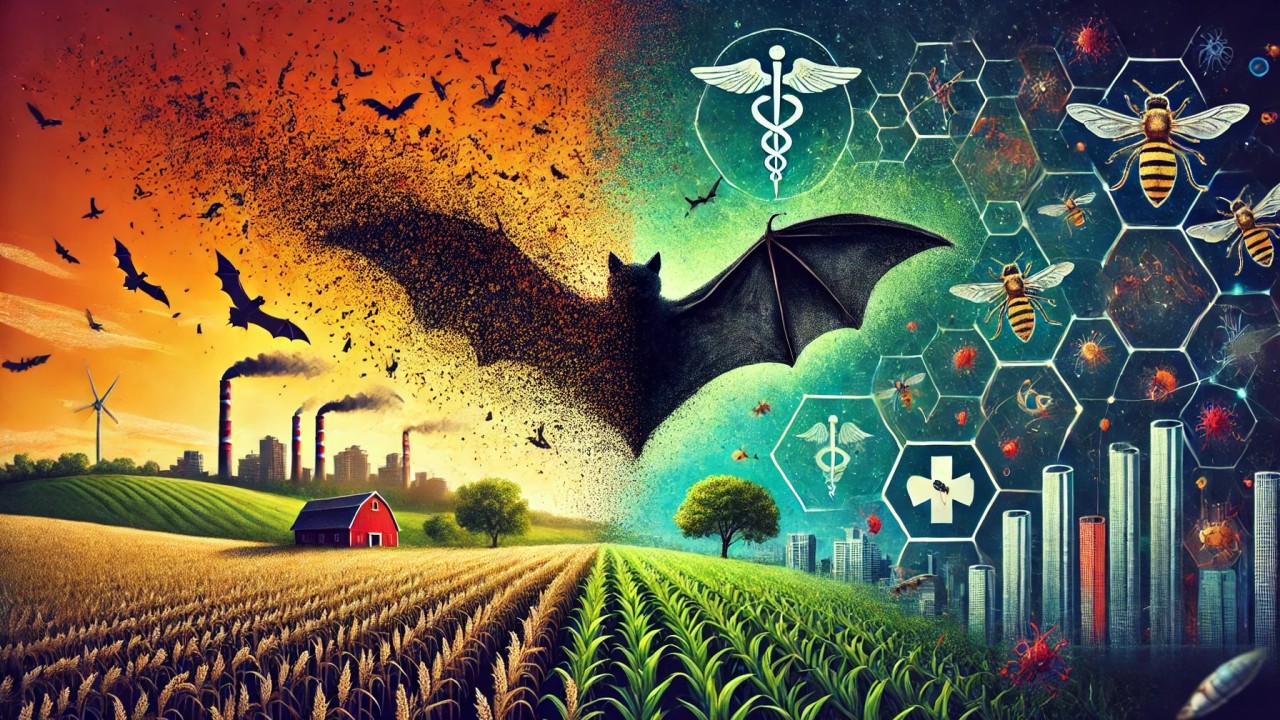
  • The Costs of Biodiversity Loss: How Bat Declines Impact Agriculture and Human Health

    The Costs of Biodiversity Loss: How Bat Declines Impact Agriculture and Human Health

    Biodiversity loss has accelerated in recent years, with potentially severe consequences for human well-being and economic systems. However, quantifying the precise costs of ecosystem disruptions has remained challenging for researchers. A new study published in Science provides compelling evidence for the significant economic and health impacts that can result from declines in key species populations. By examining the effects of bat population losses due to an emerging wildlife disease, the research demonstrates how ecosystem changes can have far-reaching consequences for agricultural practices and public health outcomes.

    The Unexpected Experiment: White-Nose Syndrome in Bats

    In 2006, researchers first detected white-nose syndrome (WNS) in bat populations in Albany, New York. This deadly fungal disease, caused by an invasive cold-loving fungus species (Pseudogymnoascus destructans), has since spread across much of North America with devastating effects. WNS disrupts bats’ hibernation cycles, causing them to prematurely awaken and deplete critical fat reserves. With mortality rates averaging over 70%, WNS has led to rapid declines and even local extinctions of bat populations.

    The emergence and gradual expansion of WNS across the United States created what economists refer to as a “natural experiment” – an unexpected change in environmental conditions that approximates a randomised controlled trial. As the disease spread to new counties each year, it allowed researchers to compare outcomes before and after bat population declines across affected and unaffected regions.

    This unique scenario enabled Dr. Eyal G. Frank of the University of Chicago to investigate a crucial question: How do farmers and ecosystems respond when a key provider of biological pest control – insect-eating bats – experiences dramatic population losses? The results provide empirical validation for longstanding theories about the economic costs of biodiversity decline and ecosystem disruption.

    The Essential Role of Bats in Agriculture

    Ecologists have long documented the vital role that bats play in controlling insect pest populations that damage crops. A single bat can consume up to 40% of its body weight in insects each night, including many agricultural pests. Previous field experiments preventing bats from accessing crop fields demonstrated significant increases in insect density and crop damage in the bats’ absence. Based on these observations, researchers predicted that declining bat populations would lead farmers to compensate by increasing their use of chemical insecticides. This study provides the first large-scale empirical evidence confirming this hypothesis.

    Using county-level data on annual insecticide use, the research found that after the onset of bat die-offs due to WNS, farmers in affected counties increased their insecticide use by an average of 31.1% compared to unaffected counties. This substantial increase in chemical pesticide application represents a direct substitution of human-made inputs for the lost natural pest control services previously provided by healthy bat populations.

    These results provide crucial empirical validation of a fundamental theoretical prediction in environmental economics – that declines in natural capital lead to compensatory increases in human-made substitutes. However, as the study goes on to show, this substitution can come with significant unintended consequences.

    The Human Health Impact: Increased Infant Mortality

    While increased insecticide use may help farmers maintain crop yields in the absence of biological pest control from bats, it also introduces new risks. Pesticides are toxic compounds by design, and their use has long been of concern to public health experts due to potential adverse health effects. To assess whether the compensatory increase in insecticide application had detectable health impacts, the study examined county-level data on annual infant mortality rates. The analysis revealed that after the onset of WNS and subsequent bat population declines, infant mortality rates due to internal causes (excluding accidents and homicides) increased by an average of 7.9% in affected counties compared to unaffected areas. This translates to approximately 0.54 additional infant deaths per 1,000 live births in WNS-affected counties. The study estimates that between 2006-2017, this amounted to 1,334 additional infant deaths attributable to increased pesticide exposure following bat declines.

    As with the insecticide use data, there were no detectable differences in infant mortality trends between WNS-affected and unaffected counties prior to WNS emergence. The study also found no meaningful changes in other birth outcomes like birth weight or gestation length, which is consistent with prior research on environmental pollution effects.

    These findings highlight that even when used within regulatory limits, real-world insecticide application levels can have detrimental impacts on human health. The results agree with previous estimates of environmental pollution effects on infant health from other contexts, lending further credibility to the causal interpretation.

    The Economic Toll of Bat Die-offs

    Beyond the direct costs of increased chemical inputs, the study also examined broader economic impacts on agricultural operations in WNS-affected areas. While the total land area under cultivation did not change significantly, there were notable effects on crop revenues and farm profitability. In the years following WNS detection, crop revenues in affected counties dropped by an average of $7,960 per square kilometre – a 28.9% decline relative to mean levels. This suggests that despite increased insecticide use, farmers were unable to fully compensate for the loss of biological pest control services provided by bats.

    Interestingly, although insecticide use increased, overall chemical expenditures (including all agrichemical inputs) declined by 23.4% in WNS-affected counties. This somewhat counterintuitive finding likely reflects farmers optimising their input mix in response to changing conditions and lower crop revenues.

    The study estimates total agricultural losses, including reduced crop revenue and changes in chemical expenditures, at $26.9 billion (in 2017 dollars) across all WNS-affected counties from 2006-2017. This substantial economic impact underscores the often-underappreciated value of ecosystem services provided by wildlife populations.

    The Value of Healthy Ecosystems

    This research provides compelling evidence for the substantial and often hidden costs that can result from biodiversity loss and ecosystem disruptions. By leveraging a natural experiment created by the spread of white-nose syndrome in bat populations, the study demonstrates how declines in key species can lead to increased chemical pesticide use, negative health outcomes, and significant economic losses in agricultural systems. The findings validate longstanding theoretical predictions about the importance of well-functioning ecosystems and the challenges of substituting human-made capital for lost natural inputs. They also highlight the complex interconnections between ecological, agricultural, and human health systems.

    This research underscores the urgent need for evidence-based conservation policies that account for the full economic and social value of healthy ecosystems. By making these often-invisible costs more tangible, studies like this can help drive more informed decision-making around the critical trade-offs between economic development and environmental preservation. Ultimately, this work reminds us that human well-being and economic prosperity are inextricably linked to the health of the natural world around us. Investing in biodiversity conservation and ecosystem restoration is not just an environmental imperative – it is an investment in our own health, food security, and economic resilience.

  • Fly iDNA: Revealing Pathogen Dynamics in Rainforest Ecosystems in Côte d’Ivoire

    Fly iDNA: Revealing Pathogen Dynamics in Rainforest Ecosystems in Côte d’Ivoire

    Understanding the intricate dynamics of pathogens in their natural habitat is crucial for disease control and nature conservation. Recent advancements in environmental DNA (eDNA) and invertebrate-derived DNA (iDNA) techniques have opened new research avenues, providing unprecedented insights into pathogen ecology. In an impressive study conducted in Côte d’Ivoire,  researchers have highlighted the reliance of the causative agent of sylvatic anthrax on rainforest ecosystems. The term sylvatic refers to something that is related to or occurring in wild animals or forests.

    Côte d’Ivoire, also known as Ivory Coast, is a West African country on the Atlantic coast. It is home to several national parks that protect its diverse wildlife and ecosystems. One of the most famous is Taï National Park, a UNESCO World Heritage Site and one of the last major remnants of the West African tropical rainforest. Located in the southwest of the country, Taï National Park is known for its rich biodiversity, including endangered species like chimpanzees, pygmy hippos, and forest elephants. The park is also an important area for scientific research and conservation efforts, particularly for studying primates and forest ecology. Its vast rainforests and unique wildlife make it a critical natural reserve in West Africa.

    Understanding iDNA: A Revolutionary Tool

    Invertebrate-derived DNA, or iDNA,  is a relatively new concept in molecular ecology and environmental monitoring. DNA is extracted from invertebrates, such as insects, for the purpose of studying the genetic material of other organisms that the invertebrates have interacted with or consumed. iDNA, particularly from flies, serves as a promising tool for understanding how pathogens like Bacillus cereus biovar anthracis (Bcbva), the agent of sylvatic anthrax, interact with their environment. iDNA technology is emerging as a key instrument in disease ecology, allowing researchers to gather comprehensive data on pathogen spread and host relationships without a direct sampling of mammals and other vertebrates.

    First things first- A primer on Bacillus cereus biovar anthracis

    Bacillus cereus biovar anthracis (Bcbva) is a special type of Bacillus cereus, a bacteria normally known for causing mild food poisoning. However, this strain is unusual because it has the same dangerous traits as Bacillus anthracis, the bacteria that causes anthrax. This makes it capable of causing severe diseases similar to anthrax. It has been found mainly in Africa, where it has infected wildlife such as elephants, gorillas, and chimpanzees, and occasionally, humans. The bacteria can survive in harsh conditions by forming spores, which allows it to stick around in the environment for a long time. Because of this, it poses a persistent risk to both animals and, in rare cases, humans. This makes it a concern for wildlife conservation and public health.

    Scope of the Study: Exploring Rainforest Ecosystems

    The study conducted fly trapping along a gradient from pristine forests within Taï National Park (TNP), Côte d’Ivoire, to the surrounding villages—researchers aimed to detect Bcbva and examine the biodiversity of flies and mammals in these areas. In practice, the researchers trapped pools of flies (a total of 100 fly pools, each containing five flies: 25 from the forest, 50 from the edge, and 25 from the village areas) at different habitats—forest interior, forest edge, and village surroundings. This approach enabled them to reveal how Bcbva persists and spreads within these ecosystems. The DNA extraction process was done using extraction kits, and the fly samples were carefully handled to avoid contamination. For the detection of Bcbva, the researchers employed a multi-targeted approach using quantitative PCR assays. This method targeted three different gene markers: pag (protective antigen gene), capB (capsule synthesis gene), and Island IV (a chromosomal marker specific to Bcbva).

    Key Findings on Pathogen Presence Across Habitats

    Out of the 100 fly pools tested, Bcbva was detected in 5 pools, with a significant variation across different habitats: four in the forest, one at the forest edge, and none in the surrounding villages. This clear gradient in Bcbva detection rates suggests a strong association between the pathogen and the forest ecosystem.

    Genomic Diversity of Bcbva

    The researchers were able to culture Bcbva from all positive fly pools, confirming their initial PCR-based detections. Whole genome sequencing of these isolates revealed a considerable portion of known genomic diversity for this pathogen. This finding underscores the power of fly iDNA in not only detecting the presence of Bcbva but also in capturing its genetic variability.

    Insights into Mammal Biodiversity: Higher Mammal Diversity in Forest Regions

    Using iDNA, the researchers detected a higher diversity of mammal DNA in flies collected from forested areas compared to those from village habitats. This finding aligns with the expectation that pristine forests harbour a greater variety of wildlife. Summarily, – Forest: Highest number of mammal species detected per fly pool;  Edge: Intermediate number of species detected; – Village: Lowest number of species detected. The data aligned well with long-term carcass monitoring results, and in analyses, species accumulation curves further supported these findings, showing that mammal diversity in the village plateaued well below the diversity observed in the forest and edge habitats.

    Diverse Fly Communities at Forest Edges

    Interestingly, the study found that fly community composition varied significantly between habitats. The edge of the forest showed a higher diversity of fly molecular operational taxonomic units (MOTUs) compared to both the forest interior and village areas. This finding suggests that the forest edge acts as a transition zone for many invertebrate taxa, potentially supporting diverse communities due to the heterogeneity of the habitat.

    Understanding Pathogen-Host Relationships: Implications for Conservation and Disease Monitoring

    Anthropogenic disturbances, such as hunting and deforestation, can influence wildlife populations and pathogen dynamics. The study’s findings provide valuable insights into the potential host range of Bcbva. The mammal species detected in Bcbva-positive fly pools showed considerable overlap with the species whose carcasses have previously been found to contain Bcbva. This concordance between fly iDNA results and traditional carcass surveys validates the method’s reliability in studying host-pathogen relationships. Moreover, the detection of Bcbva in flies at the forest edge, in areas frequently used by people, highlights a potential route of human exposure to the pathogen. This finding underscores the importance of understanding pathogen ecology in the context of human-wildlife interfaces.

    Future Research Directions: Expanding Geographical and Temporal Coverage

    Future research could expand the geographical scope and temporal coverage of fly iDNA studies to understand Bcbva distribution patterns better. Increased sampling over different seasons and across broader areas could reveal how environmental changes affect pathogen spread. This comprehensive approach could enhance our knowledge of how climate change and human activities shape disease dynamics.

    Continued development of iDNA techniques will improve detection capabilities. Integrating iDNA with traditional survey methods can enrich our understanding of pathogen ecology and host interactions, enabling more precise tracking of emerging infectious diseases. Combining molecular approaches with on-ground observations will offer a deeper insight into the complex web of interactions in rainforest ecosystems.

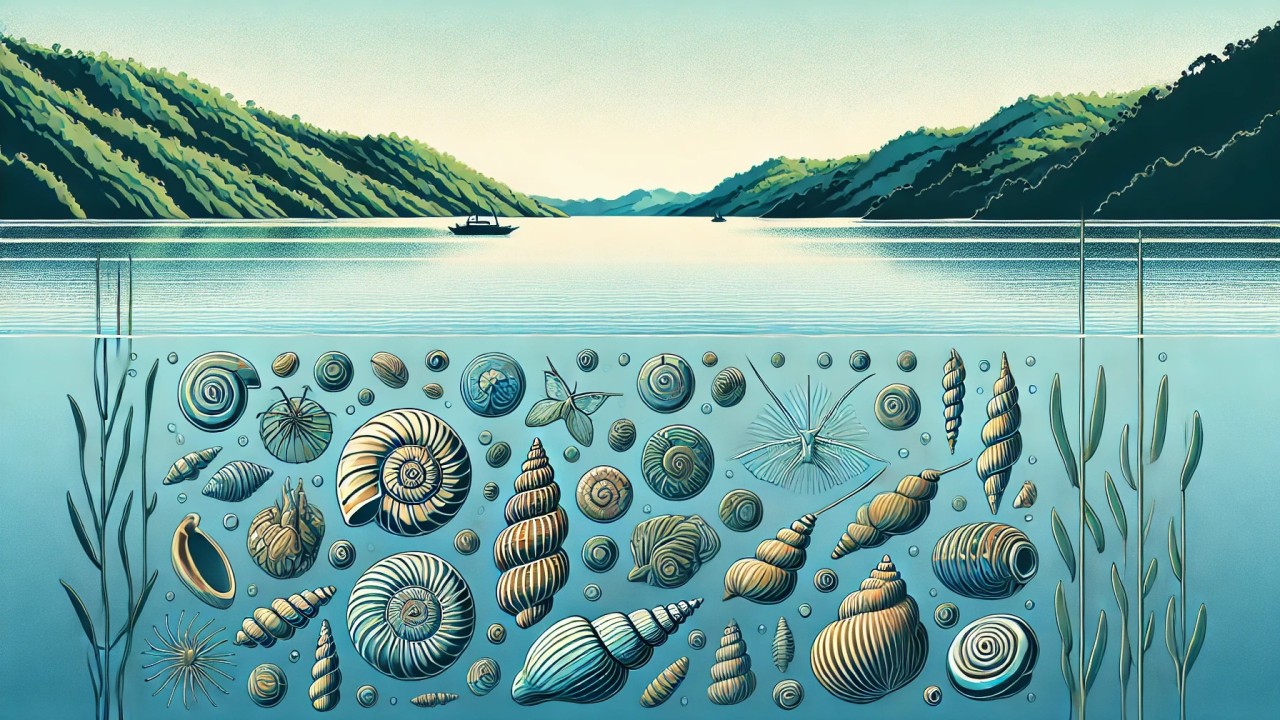
  • Complex Beneath the Surface: The Diversity of Molluscs in Lake Kivu, Rwanda

    Complex Beneath the Surface: The Diversity of Molluscs in Lake Kivu, Rwanda

    Rwanda, often referred to as the “Land of a Thousand Hills,” is a nation rich in natural beauty and cultural heritage. Known for its stunning landscapes, including the rolling terrain, lush greenery, and vibrant wildlife, Rwanda stands as a symbol of resilience and progress, following a history marked by adversity. This small landlocked country in East Africa has made remarkable progress since the devastating genocide of 1994, transforming itself into a model of stability, economic growth, and environmental stewardship. One of the jewels of Rwanda’s natural treasures is Lake Kivu, which straddles the border between Rwanda and the Democratic Republic of Congo.

    The Marvels of Lake Kivu: A Unique Aquatic Ecosystem

    Lake Kivu is one of Africa’s Great Lakes, sitting at an elevation of 1,460 meters above sea level. Its crystal-clear waters stretch over 2,700 square kilometres, making it the 15th-largest lake in the world by volume. But what makes Lake Kivu truly special goes far beyond its surface beauty. Beneath its tranquil waters, Lake Kivu harbours a unique ecosystem and vast reserves of dissolved gases, particularly methane and carbon dioxide. This unusual composition is a result of the lake’s volcanic origins and ongoing geothermal activity. While these gases pose potential risks, they also represent a significant opportunity for clean energy production – a fact that has not escaped the notice of Rwanda’s forward-thinking government.

    For many years, Lake Kivu was believed to be relatively species-poor compared to other lakes in the East African Rift. The harsh environmental conditions and historical volcanic activity were thought to suppress the development of diverse aquatic life. However, recent studies reveal a different story. Recent research has shed new light on the lake’s biodiversity, particularly its molluscan fauna, revealing that Lake Kivu’s mollusc population is more diverse than previously thought. The malacofauna, or the community of molluscs, in Lake Kivu plays a crucial role in the lake’s ecosystem. These creatures, which include snails and bivalves, are integral to nutrient cycling and serve as a food source for a variety of fish and other aquatic organisms. Notably, some molluscs are also intermediate hosts for diseases affecting both humans and livestock, which makes their study crucial for public health.

    Biodiversity Under the Surface

    The researchers carried out extensive fieldwork from October to November 2022, sampling molluscs in the northern, central, and southern parts of Lake Kivu. They also incorporated previously sampled material from 2019, 2018, and 2010. In total, 34 sites with 64 collecting points were surveyed, representing different collecting depths. Additionally, samples from tributaries collected in 2014 were included for comparison.

    Various sampling methods were employed depending on the location and depth. Shore samples (0-0.5 m depth) were collected using a scoop net and a Surber net. Lake sampling at depths of 0.6-33 m was done using an Ekman’s bottom grab from a motorised boat, with depth measured by an echo sounder. All sampled materials were sieved and preserved in 80% ethanol.

    Specimen identification was conducted to species level where possible, based on morphology (shell shapes and appearance). Two specimens of each species from each site were photographed for documentation. Genetic analysis was performed on selected specimens to complement morphological identification. DNA was extracted from foot muscle tissue of 96 specimens representing 9 genera. Gene fragments of mitochondrial COI and 16S rRNA were amplified and sequenced. The resulting sequences were compared to databases for identification and genetic comparisons. For ecological analyses, the researchers calculated diversity indices, created heatmaps to visualise spatial distribution, and used statistical tests to analyse differences in abundance across sites, species, and environmental factors.

    A Surprising Diversity of Aquatic Life

    The study revealed that the mollusc fauna of Lake Kivu is more diverse than previously thought, although still relatively poor compared to other African Great Lakes. Eight species (seven gastropod and one bivalve species) belonging to seven genera and six families were identified. Some species, like Sphaerium cf. hartmanni, were recorded for the first time in Lake Kivu. The researchers found that living mollusc populations are restricted to a narrow fringe of littoral substrates, but some species occur much deeper than previously known, down to a maximum depth of 15 meters. Interestingly, the mollusc fauna displays ‘Nilotic’ biogeographic connections, with affinities to Lake Edward, likely due to previous hydrographic connectivity.

    The study also uncovered significant differences in mollusc diversity and abundance between the northern and southern basins of Lake Kivu. The northern basin had lower species richness and more sites with only empty shells, which may be attributed to recent volcanic eruptions and geochemical stressors. In contrast, the southern basin showed higher diversity and abundance of living molluscs. The researchers found that anthropogenic disturbances, such as site utilisation and substrate types, significantly influenced mollusc abundance. Additionally, the presence of several potential intermediate host snails for schistosomiasis and fasciolosis in Lake Kivu and its tributaries highlights the need for further parasitological studies to assess potential health risks for local communities and their livestock.

    The Importance of This Biodiversity

    Understanding the diversity and distribution of molluscs in Lake Kivu has practical implications for ecology, conservation, and public health. Molluscs are bioindicators, meaning their presence, abundance, and health can inform us about the broader health of the aquatic ecosystem. They help in monitoring water quality and the impacts of pollution or other anthropogenic activities.

    The study has uncovered significant insights into the biodiversity of Lake Kivu, and more work remains to be done. There is a need for continued and expanded research to fully understand the lake’s ecology. Molecular techniques like DNA barcoding have been invaluable in this research, aiding in the accurate identification of species that are often difficult to distinguish by morphology alone. Future studies incorporating these methods can bolster our knowledge and allow for better regional and global comparisons of biodiversity.

    Furthermore, effective management strategies must be developed to protect and enhance the biodiversity of Lake Kivu. This involves addressing ongoing anthropogenic disturbances such as pollution from urban centres, agriculture, and industrial activities. Policies promoting sustainable practices in these areas can mitigate negative impacts on the lake’s ecosystem. Additionally, the exploration of methane extraction must be balanced with environmental conservation. While this provides a clean energy source, it must not compromise the lake’s delicate ecological balance. Ensuring sustainable practices in methane extraction will safeguard the biodiversity of Lake Kivu for future generations.

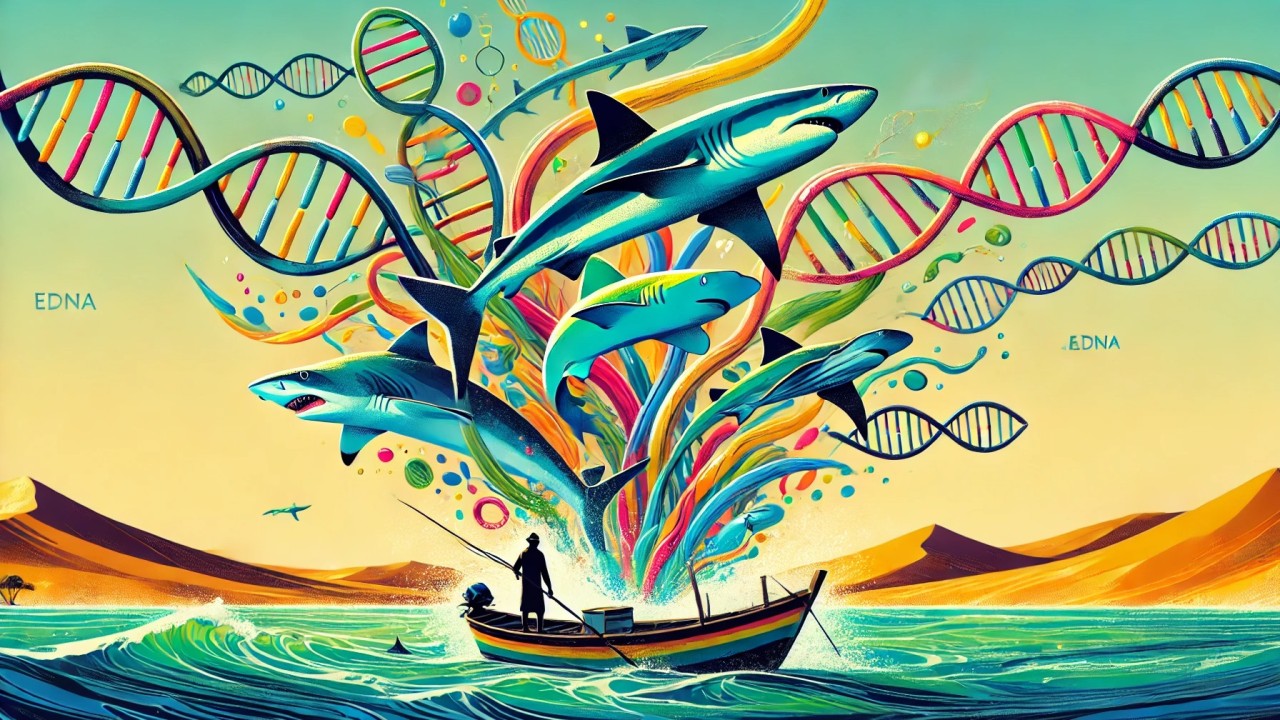
  • Sharks and Rays of West Africa: Marine Diversity in The Banc d’Arguin, Mauritania

    Sharks and Rays of West Africa: Marine Diversity in The Banc d’Arguin, Mauritania

    Mauritania is a country located in Northwest Africa, bordered by the Atlantic Ocean to the west, Western Sahara to the north, Algeria to the northeast, Mali to the east and southeast, and Senegal to the southwest. It covers an area of approximately 1,030,700 square kilometres, making it one of the larger countries in Africa, but it is sparsely populated, with a population of around 4.5 million people. Mauritania is a diverse country with a rich cultural heritage, combining Arab, Berber, and African influences.

    The Banc d’Arguin National Park: A Marine Haven

    The Banc d’Arguin is a national park and UNESCO World Heritage site located along Mauritania’s Atlantic coast. The Banc d’Arguin National Park is a unique environment. It is one of the most important bird sanctuaries in the world, serving as a crucial stopover for migratory birds travelling between Europe and southern Africa. The park’s ecosystem is a unique blend of coastal and desert environments, including sand dunes, coastal swamps, small islands, and shallow coastal waters. The Banc d’Arguin is also home to various species of fish and marine mammals, making it an essential area for both biodiversity and conservation. The Imraguen people, who traditionally rely on sustainable fishing practices, also inhabit the park, and their way of life is deeply intertwined with the natural environment.

    Why Sharks and Rays Matter

    Sharks and rays, collectively known as elasmobranchs, are vital to marine ecosystems. They keep prey populations in check and help maintain the health of coral reefs and seagrass beds. However, these animals are facing a crisis. They grow slowly, mature late, and produce few offspring, making them extremely vulnerable to overfishing. Despite protective measures at the Banc d’Arguin, the park’s shark and ray populations are under increasing pressure.

    A groundbreaking study has revealed a surprising diversity of sharks and rays. Using cutting-edge DNA techniques, researchers explored the Banc d’Arguin National Park, West Africa’s largest marine protected area. Their findings reveal rich biodiversity but also raise alarm bells about the future of these ancient creatures.

    Decoding DNA to Count Sharks and Rays

    The research team set out to create a comprehensive inventory of elasmobranch species in the Banc d’Arguin. To achieve this, the research team used two main approaches. First, they collected tissue samples from sharks and rays at local processing sites. They then analysed the DNA from these samples to create a genetic reference database. Second, they collected seawater samples from various locations in the park. By analysing the trace amounts of DNA in the water – known as environmental DNA or eDNA – they could detect which species were present without ever seeing them. The use of eDNA in this study proved to be a game-changer. It is a non-invasive, cost-effective way to survey biodiversity, especially useful in remote areas like the Banc d’Arguin, where traditional survey methods are challenging.

    The Discoveries: New Species and Taxonomic Twists

    The study not only documented new species but also revealed potential taxonomic errors and undiscovered species. The researchers reported 27 species of sharks and rays, with 12 species recorded in the Banc d’Arguin for the first time, indicating a previously undocumented diversity. New findings included previously unreported species such as the lesser spotted dogfish (Scyliorhinus canicula), smalltooth stingray (Hypanus rudis), and pelagic stingray (Pteroplatytrygon violacea).

    Some species thought to be common were absent, while others believed to be rare were found in abundance. For example, the common smoothhound shark (Mustelus mustelus), frequently reported in the area, was not detected. Instead, its lookalike cousin, the blackspotted smoothhound (Mustelus punctulatus), was found throughout the park.

    The study also uncovered potential new species. A type of butterfly ray and an electric ray were found that do not match any known species descriptions. These could be new to science, highlighting how much we still have to learn about marine life in this region.

    A Grim Reality Check: Threats on All Sides

    While the diversity discovered is exciting, the findings also reveal a troubling truth. According to the International Union for Conservation of Nature (IUCN) Red List, a staggering 67.9% of the shark and ray species found in the Banc d’Arguin are threatened with extinction. This makes the park a critical area for elasmobranch conservation.

    Several factors are driving the decline of sharks and rays in the region. Overfishing is the primary culprit. Despite regulations, these animals are still frequently caught for their fins and meat, often illegally or as accidental bycatch. Habitat degradation from coastal development and pollution also plays a role. While there are laws in place to protect these species, enforcement is often weak.

    Charting a Course for Conservation: Hope in Troubled Waters

    Protecting sharks and rays in the Banc d’Arguin will require a multi-faceted approach. More vigorous enforcement of existing fishing regulations is crucial. Implementing more sustainable fishing practices and reducing bycatch through better gear technology could make a significant difference. Engaging local communities in conservation efforts and providing alternative livelihoods to reduce dependence on fishing is also vital. Continued research and monitoring using eDNA and other methods will be essential to track species diversity and population trends.

    This study is an essential first step in the race to protect these ancient mariners. It sheds light on the hidden diversity of sharks and rays in the Banc d’Arguin National Park. It underscores the crucial role of advanced molecular techniques in uncovering and protecting biodiversity. As we uncover their secrets, we are also uncovering our responsibility to ensure their survival.

    The future of West Africa’s sharks and rays hangs in the balance, and the time to act is now. While the challenges are significant, there is still hope. With improved management, enforcement, and ongoing research, we can work to preserve the incredible shark and ray populations in this vital marine protected area and world treasure.

  • The Hidden Treasures of the Corubal River: A Biodiversity Hotspot in Guinea-Bissau, West Africa

    The Hidden Treasures of the Corubal River: A Biodiversity Hotspot in Guinea-Bissau, West Africa

    Guinea-Bissau is a small West African country located on the Atlantic coast, bordered by Senegal to the north and Guinea to the southeast. With a population of approximately 2 million people, it is one of Africa’s smallest nations by land area and population. Guinea-Bissau is not without its charms. The nation boasts an abundance of natural beauty, from the pristine Bijagós Archipelago, a UNESCO Biosphere Reserve teeming with biodiversity, to its dense forests and mangroves that provide sanctuary to a variety of wildlife. Moreover, there is a lot more to be discovered, as this article will show.

    The Corubal River is one of the major rivers in Guinea-Bissau, playing a crucial role in the country’s geography and economy. This river, extending about 560 kilometres from the Fouta Djalon highlands in the Republic of Guinea to the Geba estuary near Bissau, encompasses a watershed spanning 24,000 square kilometres. Despite its ecological significance, systematic biodiversity surveys of this region have been sparse—until now. A pioneering study utilising environmental DNA (eDNA) approaches is beginning to shed light on its rich and unique biodiversity.

    The Power of eDNA in a Remarkable Study

    Environmental DNA refers to genetic material shed by organisms into their surroundings. By collecting and analysing water samples, scientists can detect traces of DNA from a wide range of species without directly observing or capturing them. Traditional biodiversity assessment methods can be cumbersome, costly, and often impractical, especially in remote and diverse ecosystems like the Corubal River basin. For the  Corubal River Study, the research team filtered water samples from 11 sites along the Corubal River watershed, employing multiple molecular markers to target various taxonomic groups. A remarkable revelation from the eDNA survey was the vast array of biodiversity hidden within the Corubal River.

    A Treasure Trove of Biodiversity

    The survey recorded an impressive 2589 amplicon sequence variants (ASVs), offering a glimpse of the river’s true species richness. This number is undoubtedly an underestimation, as the analyses pointed to the need for additional sampling to achieve a more comprehensive survey. Among the identified ASVs, 125 species of aquatic and terrestrial vertebrates were detected. Fish species dominated the findings, accounting for 61.9% of the recorded biodiversity. The abundance of fish in the Corubal River is particularly noteworthy, as it underscores the importance of the river as a vital resource for both local and regional fisheries.

    Perhaps the most captivating aspect of this discovery lies in the identification of 11 imperilled species, two of which are Critically Endangered. The Western chimpanzee (Pan troglodytes), one of the two Critically Endangered species, is one of the rarest primates in the world, with population numbers dwindling due to habitat loss and poaching. The other Critically Endangered species, the mussel Pleiodon ovatus, has a restricted range and is highly vulnerable to changes in the aquatic environment.

    The eDNA survey also revealed the detection of 21 species new to the country of Guinea-Bissau, which further emphasises the need for ongoing efforts to document the region’s biodiversity. These findings underscore the significance of the Corubal River as an essential hotspot of biodiversity, hosting a unique assemblage of species that should be protected and preserved.

    While the Corubal River study showcases the potential of eDNA surveys, it also highlights some challenges that need to be addressed:

    1. Reference Libraries: The lack of comprehensive genetic reference libraries for many species in understudied regions limits taxonomic identification. Future efforts should prioritise building these libraries, especially for species of conservation concern.

    2. Sampling Effort: Despite the large water volumes filtered and high technical replication, the study suggests that more sampling sites would be needed for a comprehensive representation of biodiversity at the basin scale. Optimising sampling strategies for different ecosystems and taxonomic groups is an essential area for future research.

    3. Seasonal Variability: The timing of sampling can affect species detectability. For instance, the study’s dry season sampling may have influenced the low number of amphibians detected.

    4. Primer Selection: The choice of genetic markers (primers) can significantly impact species detection. The study found that a general vertebrate primer detected many fish species missed by a fish-specific primer. Developing and testing primers for specific taxonomic groups in different regions will be crucial for improving eDNA survey accuracy.

    5. Detection Factors: Some groups, like reptiles, were underrepresented in the eDNA results despite their known presence in the area. Understanding the factors influencing eDNA shedding, persistence, and detection for different taxa is essential for refining the method.

    Conservation Significance

    The Corubal River’s biodiversity is under threat from human activities, including deforestation, agriculture, and infrastructure development. The eDNA survey has not only unveiled a previously underappreciated biodiversity hotspot in West Africa but also serves as a clarion call for the conservation of this vital aquatic ecosystem. Additionally, The survey’s findings have significant implications for the conservation of the Corubal River basin. They provide a baseline for future monitoring efforts and highlight the potential of eDNA surveys to detect rare and threatened species that might otherwise go unnoticed. The findings presented in this article underscore the critical role that eDNA surveys can play in advancing our understanding of global biodiversity and guiding conservation efforts. With the world facing ever-growing pressures on its natural resources, the insights gained from studies like this one are invaluable, equipping us with the knowledge to act, preserve, and protect the intricate web of life that sustains us all.

  • Shade Matters: The Impact of Shade Management on Insect Communities in Cocoa Farms

    Shade Matters: The Impact of Shade Management on Insect Communities in Cocoa Farms

    I spent the last week in Kumasi, Ghana, one of the major cocoa-growing regions in the country. My mission there was to train and lead a team in the collection of environmental DNA in different cocoa-growing systems. Undoubtedly, the results of that work, when published, will be featured in this newsletter. I thought it would be fitting that this week’s article is about Cocoa. Cocoa farming is vital to Africa’s economy, especially in the West and parts of Central Africa, where its cultivation provides livelihoods for millions of small-scale farmers. Recent shifts from traditional shaded agroforestry systems to more intensive “full-sun” monocultures raise questions about long-term sustainability. This article summarises the findings of a study conducted in Cameroon, which explores the connection between shade management and insect communities in cocoa farms. The study compares these monocultures with traditional agroforestry systems and investigates the subsequent effects on insect communities.

    The Shade Dilemma: Sunny vs. Shady Farms

    Traditionally, Cocoa is cultivated under a canopy of shade trees. This agroforestry method offers numerous benefits, such as preserving biodiversity, enhancing soil health, and providing crucial ecosystem services. However, the recent trend of intensified farming dubbed ‘full sun’, which involves clearing land and planting cocoa trees in open areas, has raised concerns about long-term consequences. Sunny farms initially produce more Cocoa, but they face several challenges in the long term. These include higher pest burdens, loss of beneficial insects, shorter productive lifespans, and greater vulnerability to climate change.

    The Study Approach: Field Surveys and Modelling

    The study was conducted across 28 cocoa farms in the Centre, East, and South regions of Cameroon. These farms were selected based on their shade cover, size, and logistical feasibility, and they were ensured to be located at least 500 meters apart.

    Shade cover was measured using an extensible pole-mounted camera to capture pictures of the canopy above cocoa tree crowns. The percentage of vegetation cover was calculated for each picture, and the mean shade cover was derived from ten pictures taken along transects within the farms, ranging from 20% to 98%.

    Three sampling methods were used to survey arthropod populations: sweep netting, malaise traps, and visual surveys. Sweep netting involved two sessions per visit, one at dawn and one at dusk. Each session consisted of walking a 240-meter transect through the farm, sweeping vegetation at chest height every 6 meters, alternating between left and right. This resulted in a total of 40 sweeps per session. The contents of the sweep net were transferred to plastic bags containing cotton wool soaked in 50% ethanol. After the arthropods ceased moving, they were identified to order level and counted.

    For malaise traps, two traps were set up at each farm the evening before the dawn sweep netting session. Traps were positioned at least 20 meters from farm boundaries and separated by a minimum of 50 meters. They were unbaited, with collection jars containing 50% ethanol, left for 24 hours to collect arthropods. Collected specimens were identified and counted to order level upon retrieval.

    Visual surveys were conducted in two forms: full tree visual surveys and pest counts. A sub-sample of eight farms was selected for tree visual surveys, involving 25-minute observations of all arthropods in a specific cocoa tree. Each survey was divided into five 5-minute periods focusing on different parts of the tree. For pest counts, the methodology was similar, but only pests damaging the cocoa trees were recorded. These surveys were carried out at dawn, and the observer recorded arthropods found on trunks or branches below eye level during a 40-minute walk through the site, inspecting about 50 trees per site.

    The study focused on 11 arthropod taxa, including various orders and the brown capsid, which is considered the primary pest of Cocoa in Africa. Data analysis involved a Bayesian hierarchical model to integrate data from the three sampling methods, capturing the community composition and estimating population size for each arthropod order.

    Four Key Findings

    More Shade, Fewer Pests: Farms with more shade cover had significantly lower populations of pest insects, including brown capsids and mealybugs.

    Beneficial Insects Thrive in Shade: Insects that provide valuable ecosystem services, such as spiders and flies, were more abundant in shady farms.

    Shifting Community Composition: Overall, shady farms had more beneficial insects and fewer pests, leading to a more balanced ecosystem.

    Seasonal Effects: Researchers discovered variations in insect population seasonally, with brown capsids being more abundant during the wet season.

    A Bit About The Brown Capsid- a Major Pest of Cocoa

    Brown capsids, scientifically known as Sahlbergella singularis, are the primary pests affecting cocoa crops in Africa. These small, sap-sucking insects belong to the Hemiptera order and are notorious for causing significant damage to cocoa plants, resulting in annual crop losses estimated between 25% and 40%.

    Notably, the research revealed that brown capsid populations are significantly affected by shade cover. Their abundance was four times higher in sunny farms compared to shady farms. Additionally, brown capsid populations showed seasonal variation, doubling from the dry season to the wet season. These findings have important implications for cocoa farming practices, suggesting that maintaining shade trees in cocoa farms could be an effective strategy for controlling this major pest.

    Implications for Cocoa Farming

    This research emphasises the importance of shaded cocoa farming practices in maintaining insect biodiversity and ensuring sustainable crop production. Shaded farms, with their lower pest burdens and more balanced ecosystems, offer a viable and resilient approach to cocoa cultivation. Farmers, policymakers, and stakeholders in the chocolate industry should acknowledge these findings and promote biodiversity-friendly farming practices. Future research should continue exploring the detailed interactions between shade cover, insect communities, and the ecosystem services they provide to optimise sustainable cocoa farming in Africa.

  • Pixels and Plants: Harnessing Satellite Technology and AI to Monitor Grassland Biodiversity in South Africa

    Pixels and Plants: Harnessing Satellite Technology and AI to Monitor Grassland Biodiversity in South Africa

    Biodiversity, the variety of life on Earth, is essential for maintaining ecosystem health and the services they provide to humanity. Grasslands, in particular, are home to a rich array of plant species that contribute significantly to local and global ecosystems. However, these vital landscapes are under threat, and conservation efforts require robust, cost-effective tools to monitor and protect them. This is where satellite remote sensing comes into play.

    What is Remote Sensing?

    Remote sensing involves gathering information about the Earth’s surface using sensors that are not in physical contact with the area being observed. Satellites, drones, and aerial photos can collect data on vegetation, land cover, and other environmental features. By analysing this data, researchers can infer information about the distribution, abundance, and diversity of plant and animal species. This approach saves time and resources while allowing for the coverage of large, often inaccessible areas.

    Using Satellite Data to Map Species Richness in Sub-alpine Grasslands

    A recent study conducted in South Africa’s Golden Gate Highlands National Park, and published in the journal Applied Vegetation Science, showcases the effectiveness of remote sensing in biodiversity monitoring. The study used data from two satellite systems: Landsat 8 and Sentinel-2, which capture detailed images of the Earth’s surface. Landsat 8 and Sentinel-2 are Earth observation satellites that provide valuable complementary data for environmental monitoring and research efforts.

    First, the researchers collected field data on plant species composition and coverage from 142 plots across the park. They calculated species richness (the number of different species in an area) and the Shannon-Wiener species diversity index (a measure that considers both the number of species and how evenly they are distributed). Next, this traditional data was then correlated with remote sensing data from the satellite images, which included light wavelengths not visible to the naked eye, particularly the near-infrared (NIR) band. This NIR band, along with specific vegetation indices such as the Enhanced Vegetation Index (EVI) and Soil-Adjusted Vegetation Index (SAVI), were important in predicting plant diversity.

    The Power of Machine Learning

    However, more than raw satellite data is required. The researchers employed a sophisticated machine learning technique called Random Forest to make sense of this vast amount of information. Think of Random Forest as a super-smart computer program that can identify patterns and make predictions based on complex data sets. This approach allowed the team to predict species richness (the number of different species in an area) and diversity (a measure that considers both the number of species and how evenly they are distributed) with impressive accuracy.

    Key Findings and Why This Matters

    The study delivered intriguing results that I will summarise in the following four points.

    High Prediction Accuracy: The study achieved prediction accuracies of up to 91% for species richness and diversity. This means that the satellite-based method was able to estimate biodiversity levels almost as well as traditional ground surveys.

    The Importance of Near-Infrared: The research highlighted that the near-infrared (NIR) part of the light spectrum was particularly useful for predicting plant diversity. This makes sense, as healthy vegetation strongly reflects NIR light.

    Vegetation Indices Matter: The study found that certain vegetation indices, notably the Enhanced Vegetation Index (EVI) and Soil-Adjusted Vegetation Index (SAVI), were valuable for predicting biodiversity. These indices are special calculations that help highlight vegetation characteristics in satellite images.

    Seasonal Considerations: The effectiveness of the method varied slightly depending on the time of year, with predictions being most accurate during certain months. This underscores the importance of considering seasonal changes in vegetation when using this approach.

    The Future of Remote Sensing in Biodiversity Conservation

    The results show that using remote sensing to monitor biodiversity is both cost-effective and efficient. Even sensors with moderate resolution can provide valuable insights into biodiversity patterns. This means that high-resolution sensors might not be necessary, making it easier and more affordable to use remote sensing for biodiversity monitoring and conservation planning, especially in areas with limited resources.

    This research is a big step forward in our ability to monitor and protect biodiversity. The results of this study are promising; however, the authors acknowledge there are some limitations. The method might not work as well in areas with very dense tree cover or where many species look very similar. It is also important to confirm satellite predictions with actual observations on the ground to ensure accuracy. Future research directions could include developing more sophisticated algorithms to differentiate between similar species, integrating data from multiple satellite sources for enhanced prediction accuracy, and creating user-friendly tools to democratise this technology for conservation planning.

    Overall, using satellite remote sensing and machine learning for biodiversity monitoring is a powerful new tool for conservation. It gives us unprecedented insights into ecosystem health and diversity, helping us understand the natural world better and make informed decisions to protect it. As this technology develops, it can be used in many ways, from tracking ecosystem recovery after disasters to monitoring reforestation projects and even in agroforestry. This research shows that innovation and technology are essential in tackling global environmental challenges, connecting satellite observations with on-the-ground conservation efforts, and opening new possibilities for understanding and protecting our planet’s biodiversity.