
Author: Francis Wamonje, PhD

  • AI Ears: Monitoring Bird Biodiversity with Machine Learning in South African Wetlands

    AI Ears: Monitoring Bird Biodiversity with Machine Learning in South African Wetlands

    Biodiversity monitoring is crucial for conservation efforts, especially in ecologically rich regions like South Africa. Traditional methods, while effective, often come with prohibitive costs and logistical challenges, especially in the diverse and dense habitats of wetlands. Recent research provides an interesting tech-powered solution. The project- called EcoSonicML– leverages the power of machine learning and sound-based sensor systems to monitor bird populations in these critical ecosystems. This innovative approach not only promises cost-effectiveness but also aims to provide comprehensive data on bird populations, feeding into initiatives to preserve these vital ecosystems.

    Understanding the Challenge and the Power of Passive Acoustic Monitoring (PAM) in Biodiversity Monitoring

    Wetlands are biodiversity hotspots, playing a critical role in the breeding and feeding of various bird species. South Africa, with its rich array of migratory birds, presents a unique challenge for researchers and conservationists. The complexity of identifying and tracking these species, particularly in environments where multiple species coexist, necessitates innovative solutions. EcoSonicML addresses these challenges by employing Passive Acoustic Monitoring (PAM). This method utilises autonomous sound recording units to observe wildlife in their natural habitats without human interference.

    The Nuts and Bolts of Building a Cost-Effective Sensor System

    (You’re welcome tech-heads!)

    At the heart of EcoSonicML is a carefully designed hardware setup optimised for deployment in challenging wetland environments. The system’s core components include:

    • Raspberry Pi Zero 2 W: Selected for its cost-effectiveness, processing power, and power efficiency, this single-board computer serves as the brain of the sensor system.
    • USB Sound Card: A UGreen USB sound card enhances audio recording capabilities, offering superior audio quality and the flexibility to connect external microphones.
    • Microphones: The Volkano Clip Pro Series Microphone was chosen for its signal-to-noise ratio and extra-long cable, which are crucial for capturing high-quality audio in wetland settings.
    • Storage: A 32 GB SanDisk microSD card provides ample storage for recorded data and system software.

    Machine Learning at the Core of EcoSonicML

    At the forefront of EcoSonicML’s capabilities is the BirdNET algorithm, a deep learning-based solution developed by the Cornell Lab of Ornithology. BirdNET-Analyzer, the most advanced version of this algorithm, was chosen for its extensive coverage of over 6,000 bird species and its active maintenance, which is crucial for accurate species identification. Two variants of BirdNET were tested in the field:

    BirdNET-Analyzer: This advanced version covers over 6,000 bird species and includes the ability to filter out-of-range detections based on eBird data, enhancing accuracy for local species

    BirdNET-Lite: A more lightweight version, tested alongside BirdNET-Analyzer for comparison.

    The machine learning model works with audio data by first turning it into spectrograms—visual representations of sound. Then, it preprocesses the data, extracts features using unique layers called residual stacks, and finally classifies the species.

    Field Experiments: Putting Theory into Practice

    Field experiments were conducted at the Rondevlei Nature Reserve and Intaka Island in Cape Town, South Africa, to assess the system’s performance and reliability. These tests aimed to evaluate detection accuracy, robustness under varying environmental conditions, and comparison with human observations.

    • Sensor Detection Accuracy and Robustness

    The researchers observed that the BirdNET-Analyzer consistently demonstrated higher accuracy in species identification compared to BirdNET-Lite. It avoided out-of-range detections and aligned more closely with human observations. Further experiments under windy and clear conditions showed the system’s environmental robustness, with BirdNET-Analyzer maintaining high accuracy levels.

    • The Quiet Calls: Room for Improvement

    While the system excelled at detecting many species, it showed limitations in capturing quieter calls or contact chirps compared to an experienced human observer. Species like the Lesser Swamp Warbler were frequently detected by human observers but less so by the sensors. This highlights areas for future improvement, particularly in microphone sensitivity, to enhance the detection of these more elusive vocalisations.

    Efficient Data Management: The Backbone of Monitoring

    The system’s ability to efficiently transfer and store data is critical for its success. There was effective remote data transfer via Secure Shell (SSH) protocol. SSH is a cryptographic network protocol that securely moves files between computers over the internet. It protects the data so no one else can read it. It also checks that the data has not been changed during transfer and makes sure only authorised users can access it. Additionally, physical retrieval methods proved successful, with the microSD card managing data seamlessly and purging old data when necessary.

    A Modular and Cost-Effective Design

    One of EcoSonicML’s standout features is its modular design. The ease of disassembly, reassembly, and replacement of individual components enhances maintenance and longevity. Undoubtedly, one of EcoSonicML’s most significant advantages is its cost-effectiveness. A prototype sensor costing R826.90 (£35/ $45) offers a substantially more affordable alternative to commercial options like the Song Meter SM4, which costs approximately R16,912.17 (£716/ $925).

    Future Directions: Enhancing Environmental Monitoring

    Looking ahead, the project team is exploring the integration of climate sensors, which could provide a more comprehensive environmental monitoring solution. This holistic approach would not only document bird species but also offer insights into bird behaviour in relation to changing environmental conditions.

    A Tool for Conservation

    EcoSonicML represents a significant stride forward in the field of wetland conservation and ecological research. By combining cutting-edge machine learning algorithms with cost-effective hardware, the project offers a promising solution for large-scale, long-term biodiversity monitoring in South African wetlands and beyond. As the system continues to evolve, it promises to provide a valuable resource for researchers and conservationists alike, ensuring that the vital data needed to guide conservation and management decisions is both accessible and reliable.

  • Mining for Answers: eDNA Revolutionizes Detection of an Invasive Leafminer Pest

    Mining for Answers: eDNA Revolutionizes Detection of an Invasive Leafminer Pest

    Invasive species pose a growing threat to agriculture, biodiversity, and natural ecosystems in our interconnected world. Invasive pests are organisms, typically insects or other small animals, that are introduced to an area where they are not native. They disrupt agricultural production and deplete resources. This occurs through competition, predation, and other negative impacts. The agromyzid leafminer fly, Liriomyza sativae, is one such global concern. It affects vegetable and nursery industries worldwide. Traditional detection and management methods for these leafminers face challenges due to the insects’ small size, rapid lifecycles, and visual similarities to other species. A groundbreaking approach by Australia-based researchers uses environmental DNA (eDNA). This method offers a powerful tool to enhance pest surveillance and control. It significantly improves both sensitivity and efficiency.

    Understanding Environmental DNA: Environmental DNA refers to the genetic material organisms leave behind in their surroundings, such as soil, water, or even on the surfaces they interact with. This can include skin cells, saliva, faeces, or mucous. In the context of pest management, eDNA allows scientists to detect the presence of specific species by analysing samples from the environment. Leafminer flies create distinctive tunnels, or “mines,” inside plant leaves as their larvae feed. Even after the larva has left the mine, traces of its DNA remain. The team developed a novel eDNA-based diagnostic method that can detect traces of the fly’s DNA left behind in empty leaf mines long after the insect has moved on.

    Developing the eDNA Test

    The researchers designed a highly specific molecular test to amplify and detect trace amounts of DNA unique to leafminer, distinguishing it from other similar species. The eDNA approach involved collecting samples from mine-infested leaves, preserving them in either 100% ethanol or on Whatman FTA cards, and then conducting molecular analysis using species-specific real-time assays. This test, based on quantitative PCR (qPCR) technology, can identify incredibly small amounts of target DNA – as little as 0.1 picograms (that’s 0.0000000000001 grams!). To evaluate the effectiveness of this new method, the team conducted several experiments:

    1. They tested how long DNA could be detected in leaf mines after the insect had left.

    2. They assessed the reliability of the test under field conditions.

    3. They explored how different factors, such as preservation methods and the presence of insect remains, affected detection success.

    Fantastic Findings

    Long-lasting DNA Signal: One of the most exciting discoveries was that leafminer DNA could still be detected in leaf mines up to 28 days after the insect had left. This dramatically extends the window for pest detection compared to traditional methods that rely on catching the insect in the act.

    Reliable Field Performance: The eDNA test proved highly effective under real-world conditions. When leaf mines were preserved in ethanol, over 73% yielded a confirmed presence of leafminer. Even with a less optimal preservation method (FTA cards), nearly 40% of samples still provided positive results.

    Factors Affecting Detection: The presence of insect remains in the leaf mine significantly increased the amount of DNA that could be detected. However, interestingly, the age of the leaf mine and its size did not significantly affect detection success. This suggests that even old damage can provide valuable diagnostic information.

    The researchers demonstrated the real-world utility of their eDNA test in several ways. The test revealed that leafminers were infesting previously unknown host plants in Australia, including common weeds and garden crops. It also confirmed the presence of leafminers on an island where they had not been previously recorded. This is valuable for monitoring pest geographical range expansion. Furthermore, the test could distinguish leafminer damage from that caused by other visually similar leaf-mining insects. This is crucial for implementing appropriate management strategies.

    The Challenge of Invasive Pests: eDNA and The Future of Biosecurity Surveillance

    Invasive species pose a significant threat to biodiversity, ecosystem services, and the profitability of agriculture. Combating these pests is costly. Early detection is crucial for successful management. Conventional surveillance methods, such as visual inspection and trapping, can be insufficient, especially in the early stages of an infestation when populations are small and difficult to spot.

    The success of the eDNA method in detecting and diagnosing leafminers suggests a broader application for other agriculturally significant pests. The new eDNA approach significantly extends the detection window. It allows identification long after the insect has moved on. This method increases sensitivity to detect low-level infestations. It also simplifies sampling by collecting leaf samples rather than capturing adult insects. The qPCR-based test provides rapid diagnosis compared to traditional identification methods. This enables quicker responses to potential invasions. Additionally, the technique’s scalability makes large-scale surveillance programs more feasible. As a result, overall biosecurity measures are enhanced.

    The authors acknowledge that the eDNA approach has some limitations. Future research needs to address these issues. First, understanding the environmental persistence of eDNA is crucial. This study provides new information on leafminer eDNA persistence on leaves. More research is needed on how environmental factors affect DNA degradation in leaf mines. Second, the current test only detects presence/absence. Refining it to provide information on infestation levels would be valuable. Third, developing tests that can detect multiple pest species from a single sample could increase efficiency. Finally, creating portable devices for on-site eDNA analysis would enable faster response times. Despite these challenges, the innovative use of eDNA marks a new era in biosecurity. It provides a critical edge in the ongoing battle against invasive species.

  • Getting it Right in Wildlife Monitoring: Optimising eDNA Techniques for African Savanna Waterholes

    Getting it Right in Wildlife Monitoring: Optimising eDNA Techniques for African Savanna Waterholes

    Embracing cutting-edge technologies will be essential in efforts to safeguard the planet’s natural heritage for future generations. Environmental DNA (eDNA) is transforming biodiversity monitoring, offering a non-invasive way to assess ecosystem health. The concept of eDNA is simple yet powerful: organisms shed DNA into their surroundings, and by collecting and analysing this genetic material, we can identify species present in an ecosystem without the need for direct observation.

    eDNA extraction from water samples has proven highly effective in aquatic ecosystems. While widely used in temperate regions, its application in tropical and subtropical areas, especially in Africa, remains limited. Adapting eDNA techniques to diverse environments like arid savannas poses unique challenges. However, a recent study conducted in Botswana’s Botsalano Game Reserve aims to change that by optimising eDNA sampling methods for savanna waterholes – critical hotspots for wildlife in arid regions.

    Why are Savanna Waterholes a Big Deal?

    Savannas, also known as grasslands, are a dominant feature of the African landscape. They span approximately 40% of the continent’s total area, covering over 13 million square kilometres (5 million square miles). These vast expanses of grass-dominated ecosystems stretch across much of central Africa, extending from the southern edges of the Sahara and Sahel regions down to the northern fringes of the continent’s southern tip.

    Waterholes in southern African savannas serve as vital gathering points for diverse wildlife, especially during dry seasons. These oases in arid landscapes offer researchers unique opportunities to monitor terrestrial mammal populations. However, the application of eDNA techniques in these environments presents several challenges:

    High turbidity: Savanna waterholes often contain high levels of suspended particles, making water filtration difficult.

    Warm temperatures: The heat can accelerate DNA degradation, potentially affecting sample quality.

    Limited infrastructure: Remote locations may lack access to electricity and refrigeration, complicating sample preservation.

    Study Insights: Optimising the eDNA Workflow

    The study focused on optimising the eDNA workflow, from sample collection to DNA extraction, to enhance the detection of terrestrial mammals that frequent these waterholes. The researchers systematically examined five critical variables in the eDNA sample processing workflow: eDNA concentration methods, Prefiltration techniques, Filter types,  DNA preservation methods and DNA extraction methods.

    This section may favour the heavy hitters, but  I will keep it as simple as possible. The study’s findings provide practical guidelines for researchers and conservationists working in similar remote and challenging environments.

    eDNA Concentration: Filtration vs. Centrifugation- While centrifugation allowed for processing larger water volumes, filtration proved more efficient in capturing high-quality DNA.

    Prefiltration (if applicable)- Prefiltration slightly increased the volume of water processed, but overall DNA yield did not vary significantly between prefiltered and non-prefiltered samples.

    Filter Type Matters: Glass fiber filters versus Sterivex filters – Glass fiber filters (0.7 µm pore size) outperformed Sterivex filters (0.45 µm pore size) in preserving DNA quality and yield. This suggests that coarser filters might be more effective in turbid environments, as they offer better water throughput and higher DNA recovery rates.

    Preservation Solutions: Longmire’s solution versus desiccant beads- Longmire’s solution proved superior to desiccant beads for preserving DNA at ambient temperatures. This was particularly important given the lack of refrigeration. However, the researchers suggest adding sodium azide to the solution to prevent microbial growth, especially for samples with high biological activity.

    Streamlined DNA Extraction: Commercial spin column kits vs Phenol-Chloroform isoamyl extraction- Commercial spin-column extraction kits, such as Qiagen’s DNeasy PowerSoil Kit, effectively removed inhibitors and provided consistent DNA quality and yield without purification steps.

    In downstream assessments, the researchers strongly recommended using multiple genetic markers to maximise species detection. In this study, the researchers used two genetic markers MiMammal and 12SV5, which detected 20 vertebrate species, including 11 mammals, across 26 samples. The 12SV5 marker identified more vertebrate species overall (13 species), while the MiMammal marker detected more mammal species (eight species). Notably. the overlap between the species detected by the two markers was minimal, with only two mammal species detected by both.

    Implications for Conservation and Management

    In many African countries, savannah landscapes are a national treasure. These landscapes host a wide array of wildlife, making them a major tourist attraction. The value of managing the savannah and its wildlife on the economy, for biodiversity and as a resource for future generations is incalculable. This study paves the way for more effective eDNA-based biodiversity monitoring in understudied ecosystems such as African savannas. Focused metabarcoding studies, applying these optimised methods, are crucial for a comprehensive understanding of terrestrial and aquatic biodiversity in these systems. Some potential applications include rapid biodiversity assessments, rare species detection, Invasive species monitoring and long-term ecosystem health tracking.

    How do we make this better?

    The optimisation of eDNA techniques for savanna waterholes represents an important milestone in African wildlife monitoring. Several challenges remain in fully realising the potential of eDNA monitoring in African savannas. Expanding genetic databases for African wildlife is crucial for accurate species identification. Further research is needed to reliably link eDNA concentrations to animal abundance or biomass. Understanding how eDNA signals persist and disperse in savanna waterholes will improve sampling strategies. Additionally, determining how eDNA data can best complement existing wildlife monitoring techniques is essential for widespread adoption. For conservationists, researchers, and policymakers working to protect Africa’s iconic wildlife, this innovative approach offers a powerful new tool in the fight against biodiversity loss.

  • The Surprising Role of Bees in Reducing Plant Virus Transmission

    The Surprising Role of Bees in Reducing Plant Virus Transmission

    The global food system faces increasing pressure to produce more food with fewer resources. Plant viruses pose a significant threat to global crop production, causing billions of dollars in losses annually. These losses have significant economic and food security implications. However, new research has shed light on a surprising new ally in the fight against plant viruses: bees. The study highlights how bee pollination can significantly reduce the vertical transmission rates of a virus- the Bean Common Mosaic Virus (BCMV) in common bean (Phaseolus vulgaris) plants. This research demonstrates the complex interplay between plants, pollinators, and pathogens, with important implications for sustainable biodiversity in agriculture.

    The Silent Threat of Seed-Transmitted Viruses

    In many countries in the global south, common bean is a significant source of dietary protein and livelihoods for many smallholder farmers and their families. Plant viruses, such as Bean Common Mosaic Virus (BCMV), Bean Common Mosaic Necrosis Virus (BCMNV), and Cucumber mosaic virus (CMV) are a major concern for farmers and agricultural researchers. These viruses are primarily transmitted by soft-bodied insects such as aphids, but they can also be seed-borne, meaning that they can be passed from one generation of plants to the next through infected seeds. Vertical transmission refers to the passage of viruses from one generation to the next through seeds or pollen. It is a pivotal mechanism that ensures the persistence of viruses across generations, even without alternative hosts or vectors such as aphids. The mechanisms governing vertical transmission are complex and multifaceted. While significant progress has been made in understanding vertical transmission, the environmental factors influencing this process remain poorly understood.

    The Study: Examining Virus Transmission in Common Bean

    The researchers investigated seed transmission rates for three important bean viruses: the closely related Bean common mosaic virus (BCMV) and Bean common mosaic necrosis virus (BCMNV), and Cucumber mosaic virus (CMV)- a virus which infects many plant types. They first compared transmission rates when infected bean plants were allowed to self-pollinate under controlled conditions. BCMNV showed the highest seed transmission rate at 29.4%, followed by BCMV at 22%, and CMV at 8%.

    The Surprising Impact of Bee Pollination

    The most intriguing findings came when the researchers examined BCMV transmission under different pollination scenarios: Self-pollination (no assistance), Hand-pollination and Bee pollination (both wild bees in field conditions and commercial bumblebees in greenhouse settings). Remarkably, both bee pollination and hand-pollination significantly reduced the rate of BCMV transmission to offspring seeds compared to self-pollinated plants. Self-pollinated plants had a 30% BCMV transmission rate. Conversely, Bee-pollinated plants (in the field) had a lower 12% BCMV transmission rate. Comparably, hand-pollinated plants in the greenhouse had a 16% BCMV transmission rate similar to Bee-pollinated plants (in the greenhouse). Importantly, this reduction in virus transmission was consistent whether plants were grown in field conditions with wild bees (specifically the common carder bee, Bombus pascuorum) or in greenhouse settings with commercial bumblebees (Bombus terrestris).

    Why Does Bee Pollination Reduce Virus Transmission?

    The researchers propose several potential explanations for this unexpected benefit of bee pollination.

    Pollen Competition: Bees may deposit larger quantities of pollen on bean flowers. This could lead to competition between virus-infected and healthy pollen grains, with healthier pollen potentially outcompeting infected pollen in fertilizing ovules.

    Pollen Fitness: Infected pollen is known to produce shorter pollen tubes, which are likely less successful in fertilizing ovules than healthy pollen. Bee pollination increases the likelihood that healthier, virus-free pollen will fertilize the ovules, thereby reducing the vertical transmission of the virus.

    Improved Pollen Deposition: The weight and movement of large pollinators like bees on bean flowers causes a mechanical “tripping” action that exposes the reproductive parts. This may enhance the efficiency of pollen transfer and fertilization and improve the overall health and viability of the resulting seeds.

    Implications for Crop Management and Ecosystem Dynamics

    This research has several important implications:

    Sustainable Disease Management: Encouraging bee pollination could be an environmentally friendly method to reduce the spread of seed-transmitted viruses in bean crops and potentially other pollinator-dependent crops.

    Ecosystem Services: The study further highlights the vital role of pollinators in agricultural systems, which extends beyond enhancing yield to potentially improving crop health.

    Seed Production: For farmers and seed producers, ensuring adequate pollinator access during flowering could lead to healthier seed stock with lower virus incidence.

    Wild Pollinator Conservation: The benefits observed from wild bee pollination underscore the importance of maintaining diverse pollinator populations in agricultural landscapes.

    Integrated Pest Management: Incorporating pollinator-friendly practices into virus management strategies could offer synergistic benefits for crop protection.

    Future research- the value of biodiversity in agriculture.

    While these findings are promising, the researchers note that the study focused specifically on BCMV in common bean. Further research is needed to determine if similar effects occur with other crop-virus combinations. Additionally, the exact mechanisms by which bee pollination reduces virus transmission require more in-depth investigation. In the broader context of  Plant-Virus-Pollinator Interactions,  this study adds to a growing body of research exploring the complex relationships between plants, viruses, and pollinators. Previous work by some of the same researchers has shown that virus-infected plants can actually attract more bee visits through changes in their floral scent profiles. This new research suggests that increased pollinator visitation may, in turn, benefit the plant by reducing the transmission of viruses to the next generation.

    These intricate ecological interactions highlight the importance of taking a holistic approach to understanding and managing plant diseases in agricultural systems. Simply focusing on eliminating viruses or their insect vectors may overlook important ecosystem dynamics that could be leveraged for crop protection.

    The role of pollinators in reducing vertical transmission rates of plant viruses underscores the value of biodiversity in agriculture. By fostering environments that support healthy pollinator populations, we can mitigate the spread of harmful plant viruses, ensuring better yields and more sustainable food production systems.

  • Different Spider Webs as Environmental DNA Samplers for Insect and Broader Biodiversity Monitoring

    Different Spider Webs as Environmental DNA Samplers for Insect and Broader Biodiversity Monitoring

    This week’s article shares another study that has explored the innovative use of spider webs as biofilters to collect environmental DNA (eDNA) for insects and broader biodiversity monitoring. As the natural world continues to face unprecedented levels of biodiversity loss, capturing accurate and comprehensive data on the state of ecosystems has become crucial. Traditional biodiversity assessment methods, reliant on taxonomic species identification through morphological and behavioural traits, have shown significant limitations—mainly concerning inefficiencies and invasiveness. Innovative molecular techniques, especially eDNA sampling, present a promising solution. eDNA involves collecting and analysing genetic materials shed by organisms into their environments, providing a non-invasive means of tracking biodiversity across different ecosystems.

    Spider Webs: Natural Air Filters with Great Potential

    Spider webs are ubiquitous and diverse, making them ideal candidates for eDNA sampling. Spiders are dominant predators in arthropod communities, and their webs—ranging from orb webs to sheet webs—capture a wide array of airborne particles. This unique ability positions spider webs as natural, non-invasive samplers of eDNA, potentially revolutionising biodiversity monitoring. The study employed a combination of single-species detection and multi-species metabarcoding to evaluate the efficacy of spider webs as eDNA samplers.

    Single-Species Detection

    The researchers conducted field tests using two different spiders and theie webs. One was the Garden spider Araneus diadematus, which builds a two-dimensional orb web, consisting of nonsticky, as well as sticky threads. The other was the Common hammock weaver Linyphia triangularis, which builds a sheet web in the form of a three-dimensional hammock-like segment, interlaced with a looser mesh of silk above without any sticky capture threads. The researchers introduced small house crickets (Acheta domestica) into the webs as prey and later collected the webs containing no visible prey remains. They designed two assays targeting different ‘genetic fingerprints’ to validate prey detection. The researchers found that the collected webs, even those without visible prey remains, successfully revealed the presence of house cricket DNA even when diluted 10-fold. These results demonstrated that different types of spider webs efficiently capture eDNA, regardless of the web’s structural or adhesive properties.

    A Multi-Species Metabarcoding Approach

    To gauge the broader applicability of webs in biodiversity monitoring, metabarcoding protocols were established. Over two years, web samples from the two spider species were collected across two distinct forest types in Slovenia (submediterranean and continental). High-throughput sequencing was performed using primers targeting specific ‘DNA fingerprints’ for animals (COI), fungi (ITS), and bacteria (16S rRNA). Among these, they could taxonomically assign many reads for bacteria, fungi, and animals. Alpha diversity, which measures the variety of species within a specific habitat or ecosystem, varied significantly between web types for bacteria and fungi but not for animals. Sheet webs accumulated a higher diversity of bacterial and fungal eDNA compared to orb webs. Beta diversity measures, which compare community compositions across samples, showed that web type, sampling locality, and year all significantly influenced community compositions for bacteria, fungi, and animals. Notable detections included plant pathogens, disease-causing fungi, medically important bacteria, and several pollinator species. The study also found groups of organisms that co-occur in known parasitic and mutualistic relationships. Intriguingly, spider webs captured extensive “aerial plankton” comprising a multitude of life forms, emphasising their utility as widespread biodiversity samplers.

    Implications for Biodiversity Monitoring  and Future Directions

    Spider webs are effective eDNA samplers capable of capturing a broad spectrum of biodiversity from their environment. The findings underscore the utility of spider webs in non-invasive, detailed biodiversity monitoring suitable for tracking various organism groups across time and space. The implications of these findings have some  key takeaways:

    Non-Invasive Biodiversity Monitoring: Spider webs offer a non-invasive, passive method of collecting eDNA, thus minimising any potential harm to ecosystems and organisms.

    Temporal and Spatial Data: Regular and consistent collection of spider webs can provide invaluable temporal and spatial data, aiding in the detailed monitoring of biodiversity changes over time.

    Broad Taxonomic Coverage: Spider webs capture eDNA from a wide array of organisms, including bacteria, fungi, arthropods, and even potentially plants and viruses, providing comprehensive snapshots of ecosystem biodiversity.

    Practical Applications: Beyond academic research, eDNA from spider webs can be used in various practical scenarios. For instance, it can aid in detecting invasive species, monitoring pest populations, and conducting environmental impact assessments for conservation projects.

    Implementing spider webs as a standard eDNA sampling method could significantly enhance ecological and conservation research, offering a powerful tool for comprehensive biodiversity assessments. However, challenges remain. The variable preservation of eDNA depending on environmental conditions and potential biases during DNA amplification, are aspects that need consideration. Future research should focus on refining laboratory techniques, establishing standardised protocols and exploring the potential of pooling samples from multiple webs to increase detection power or investigate the longevity of eDNA on long-lasting web types.

  • Spider Webs: The Future of Environmental DNA Monitoring for Terrestrial Biodiversity

    Spider Webs: The Future of Environmental DNA Monitoring for Terrestrial Biodiversity

    Have you ever stopped to marvel at the intricate beauty of a spider web? As it turns out, these silky structures are more than just bug traps – they may hold the key to revolutionising how we monitor and protect biodiversity. A groundbreaking study, has found that spider webs can capture environmental DNA (eDNA) from a wide range of animals, offering a simple yet powerful tool for assessing biodiversity. Every living thing, from the tiniest insect to the largest mammal, leaves traces of DNA in the environment via shed skin cells, hair, faeces and other biological material. This eDNA can be collected and analysed to detect what species are present in an area, without the need to physically see or capture the animals. While eDNA techniques have already been used to monitor species in aquatic environments, adapting the approach for terrestrial habitats has proved more challenging.

    Spider Webs as Biofilters

    That’s where spider webs come in. Spider webs, ubiquitous in many environments, serve as natural sticky traps, efficiently capturing organic materials, insects, and airborne particles. In a recent study, researchers in Australia hypothesised that the sticky strands could passively collect eDNA floating in the air or deposited by insects and other creatures that come into contact with the web. To test this, they collected spider webs from two locations in Western Australia – a wildlife reserve and a zoo. Using a metabarcoding approach, which involves sequencing DNA to identify different species, they analysed eDNA extracted from these webs.

    The Impact of Biomass and Distance  and a Localised Snapshot of Biodiversity

    At Karakamia, a 268-hectare reserve teeming with native Australian wildlife, spider webs revealed the presence of 32 different vertebrate species, including mammals, birds, reptiles, and amphibians. Remarkably, the webs also picked up the DNA of invasive species, such as the red fox, providing valuable insights for conservation efforts. In contrast, the webs collected from Perth Zoo, a highly controlled environment with a known roster of animal inhabitants, yielded eDNA from 61 vertebrate species. This included a variety of exotic animals, reflecting the zoo’s diverse population.

    The research highlighted a correlation between the biomass of animals and the likelihood of their DNA being detected in spider webs. Larger animals, with their greater shedding of DNA, were more easily identifiable. Additionally, proximity to the source of DNA—such as an animal’s enclosure—played a significant role in detection. Over 50% of detections came from within just 5 meters of an enclosure, although some, like the Asian elephant, left traces up to 195 meters. One of the key findings was that eDNA captured by spider webs provided a highly localised snapshot of the vertebrate community. This local focus is a significant advantage, as it means land managers could use spider web DNA to zero in on exactly what species are present in highly specific habitats. The technique could help monitor endangered species, detect invasive pests, and see how animals respond to changes in their environment over time – all with minimal disturbance to the creatures themselves.

    An Effective Non-Invasive Monitoring Tool but with Its Limitations

    The study demonstrated that spider webs could serve as cost-effective and non-invasive tools for monitoring terrestrial vertebrate biodiversity. This method requires minimal setup and can be deployed easily in both conservation areas and human-managed environments.

    Like any scientific advance, there are some caveats. Different spider web types may vary in their ability to latch onto DNA. Environmental conditions like wind and temperature could impact how long DNA lasts on a web. While spider webs effectively capture local eDNA, understanding the source and movement of airborne eDNA remains challenging. This can lead to false positives where DNA is detected, but the animal is no longer present.

    Nonetheless, there are implications for future research and use-case opportunities.

    Conservation Efforts: This technique can help track endangered or protected species without disturbing their habitats.

    Invasive Species Management: Early detection of invasive species can prompt timely and effective management interventions.

    Biodiversity Monitoring: Spider webs provide an additional tool for comprehensive biodiversity assessments, complementing existing methods like camera traps and traditional surveys. Continued research is needed to determine how far eDNA can travel and its potential impact on accurate biodiversity assessments is needed.

    For those interested in new frontiers of environmental science, the use of spider webs for eDNA collection promises an exciting and valuable addition to biodiversity monitoring and conservation efforts. This research demonstrates the tremendous potential of this innovative method for ecological monitoring. As we continue to refine and expand this approach, spider webs could become a standard tool in our eDNA monitoring toolkit, enhancing our ability to understand and protect the planet’s biodiversity.

  • The Potential of Aquatic eDNA in Population Genetics: A Study on Cichlid Fish in Lake Masoko, Tanzania

    The Potential of Aquatic eDNA in Population Genetics: A Study on Cichlid Fish in Lake Masoko, Tanzania

    Using environmental DNA (eDNA) from water to study the genetics of different species is becoming increasingly popular. Most studies have focused on the mitochondrial genome to understand genetic differences in various animals. Mitochondrial DNA (mtDNA) is helpful because it is easy to extract from water samples and shows clear differences between populations due to its fast mutation rate.

    However, mtDNA mainly tells us about female ancestry and does not recombine, limiting its usefulness. Additionally, nuclear insertions of mitochondrial DNA and changes in the mitochondrial genome can cause confusion. Scientists are now exploring nuclear eDNA for genetic studies to overcome these issues. Although this research is still new, some studies are promising. For example, research on the round goby fish showed that genetic data from eDNA matched well with data from tissue samples. This method also successfully showed genetic differences between populations in different locations. However, first, let us introduce an important term: Single nucleotide polymorphism (SNPs; pronounced as ‘snips’), which are variations at a single position in a DNA sequence among individuals. They are commonly used to identify genetic differences and study population genetics.

    Recently, research on Cichlid fish (Astatotilapia calliptera) aimed to see if single nucleotide polymorphism (SNP) variants from the nuclear genome can be used to study genetic structures within a single lake. Specifically, the main objective was to determine if eDNA can reliably reflect the genetic divergence among cichlid fish populations along a depth gradient in Lake Masoko.

    Sample Collection and Methods at Lake Masoko, Tanzania

    Lake Masoko is a 35-meter-deep crater lake with no surface connection to rivers. It hosts two genetically distinct types of fish—one adapted to shallow waters and the other to deeper waters. Researchers collected eDNA samples from different depths (3, 7, 12, 18, and 22 meters) by SCUBA diving. They extracted and sequenced DNA, focusing on 120 specific genetic markers (SNPs). The sequences were then compared to a reference genome of Cichlid fish. Statistical tests were performed to see how the genetic variations found in the eDNA samples matched those in actual fish samples. This helped determine if the eDNA accurately reflects the genetic makeup of the fish populations.

    Study Reveals Genetic Differences in Fish Populations Using eDNA

    The study found that genetic variations in eDNA closely matched those in fish samples from the same depths, confirming eDNA’s ability to reflect fine-scale genetic structures. Significant genetic differences were observed between fish living in shallow waters (less than 5 meters deep) and those in deep waters (deeper than 20 meters). These differences were linked to environmental factors like temperature and oxygen levels.

    When examining the population structure, the researchers used 71 specific genetic markers (SNPs) to identify distinct genetic clusters at the 12-meter and 18-meter depths. These depths correspond to the lake’s thermo-oxycline, a barrier where temperature and oxygen levels change drastically.

    There were environmental and methodological considerations. The study acknowledged potential biases due to PCR amplification methods and limitations in genomic databases, which can affect the accuracy of identifying species-specific sequences. Also, there were significant shifts in the microbial communities, indicating distinct biological zones within the lake.

    Practical Implications and Future Directions From this Study

    Conservation and Ecological Studies: Using eDNA to detect fine-scale genetic structures offers new possibilities for managing and conserving aquatic populations. This method is particularly valuable for species that are hard to sample directly due to their rarity, behaviour, or ethical concerns.

    Enhancing eDNA Techniques: The study emphasised the need to improve eDNA methodologies. These improvements include designing better primers to reduce biases and using more effective hybridisation-capture techniques to target specific genomic regions.

    Potential for Broader Applications: Beyond describing genetic structures, eDNA could also help monitor ecological responses to environmental changes, such as shifts in species distributions due to climate change.

    Overall, this study demonstrates the effectiveness of eDNA in detecting fine-scale genetic structures within aquatic species, showing that eDNA data can accurately reflect population genetics. It supports further developing eDNA-based methods as a non-invasive, effective tool for ecological and conservation research. By amplifying nuclear loci from eDNA and generating genetic variation data, researchers can infer population structures, offering a promising approach to studying and managing aquatic biodiversity.

  • Harnessing the Biodiversity of Trichoderma for Sustainable Solutions for Coffee Cultivation in Ethiopia

    Harnessing the Biodiversity of Trichoderma for Sustainable Solutions for Coffee Cultivation in Ethiopia

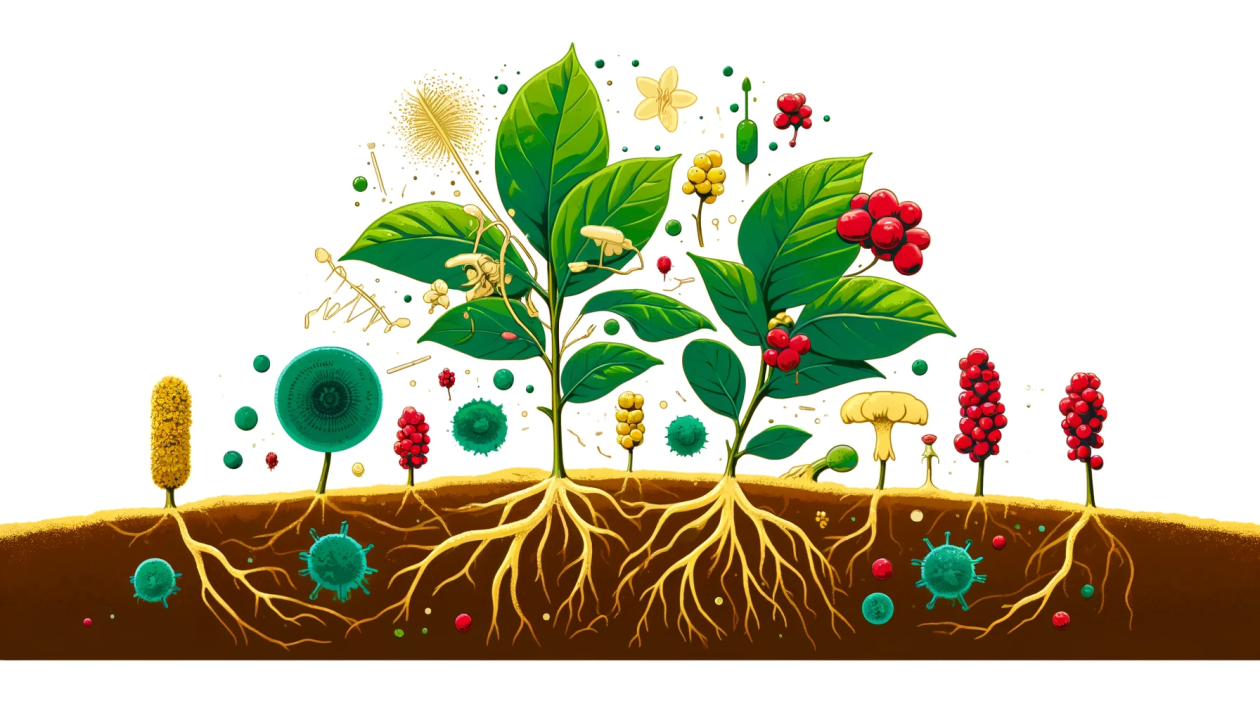
    Trichoderma species, ubiquitous in various soil types and ecosystems worldwide, are known for their roles as primary decomposers, producers of antimicrobial compounds, and biocontrol agents against diverse plant pathogens. These fungi can inhibit the growth of harmful pathogens through parasitism, the release of chemicals to inhibit the growth of pathogens (antibiosis), and competition for resources. Moreover, some Trichoderma species enhance plant growth and nutrient uptake, making them invaluable in agriculture. Despite their global significance, the diversity and distribution of Trichoderma in Africa, particularly within coffee ecosystems, remains understudied. This article shares a study where the researchers explored the biodiversity of Trichoderma species in Ethiopian coffee plants, aiming to find potential candidates for managing coffee wilt disease (CWD) caused by the fungus Fusarium xylarioides.

    Ethiopia, the birthplace of Arabica coffee, is Africa’s largest coffee producer and the world’s fifth-largest coffee exporter. Coffee cultivation supports the livelihoods of approximately 4.5 million farmers. However, the sector is underproductive due to fungal and bacterial diseases. These diseases are made more severe by climate change. CWD, in particular, has become a significant issue, not just in Ethiopia but also in surrounding East African countries. The annual yield losses attributed to CWD are estimated at 30-40%. Traditional methods of managing CWD, such as uprooting infected plants and using resistant varieties, have proven inadequate. Given the economic importance of coffee, exploring alternative management strategies is essential.

    Trichoderma Isolation and Identification

    To explore the diversity and distribution of Trichoderma species in Ethiopia’s coffee-growing regions, soil samples were collected from ten major coffee-growing areas covering different agro-climatic zones. Researchers collected soil samples from the zone of soil surrounding a plant root where the biology and chemistry of the soil are influenced by the root (the rhizosphere) of coffee plants in ten major Ethiopian coffee-growing areas. The soil samples were processed to isolate Trichoderma species using Trichoderma Specific Medium and purified by subculturing on potato dextrose agar.

    Fusarium xylarioides, the causative agent of CWD, was used as a test pathogen to evaluate the biocontrol potential of Trichoderma species. The isolates were classified and identified at the species level using physical characteristics and molecular techniques. Genomic DNA was extracted for molecular identification, and the TEF1-α region was amplified using specific primers. The degree of dominance index was used to categorise the habitat preference of Trichoderma isolates in the coffee rhizosphere.

    The Diversity of Trichoderma in Ethiopian Coffee Regions

    The study identified 175 Trichoderma isolates from 184 soil samples. Molecular identification based on TEF1-α sequences classified the isolates into 16 putative species. Nine of these isolates were novel observations for Trichoderma species in Ethiopia. The study also found that the diversity of Trichoderma species varied geographically. The highest species diversity and evenness were recorded in the forest and semi-forest coffee ecosystems of Kaffa, Jimma, and Bale. The forest ecosystem had the highest isolation frequency of Trichoderma species, followed by the semi-forest and garden coffee ecosystems, most commonly practised by smallholder farmers.

    Trichoderma as Potential Biocontrol Agents

    Trichoderma species were tested for their ability to inhibit the mycelial growth of F. xylarioide fungus- the causative agent for  CWD. The results were promising. Twelve isolates exhibited the highest level of antagonistic activity, with inhibition percentages ranging from 44.5% to 84.8%. The most effective isolates, T. asperellum AU71, T. longibrachiatum AU158 and T. asperellum AU131, were subjected to secondary metabolite extraction. The crude metabolites from these isolates significantly inhibited the growth of F. xylarioides. Field and greenhouse experiments were also conducted to evaluate the effectiveness of Trichoderma under real-world conditions. The findings highlighted the challenges of biocontrol agents adapting to local environmental conditions. However, the research demonstrated that native Trichoderma isolates, being well-adapted to local climates and pathogenic targets, hold considerable promise for sustainable coffee farming.

    Future Prospects and Applications

    Exploring Trichoderma diversity in Ethiopia marks a significant step towards sustainable coffee cultivation. This very timely study gives insights into the biodiversity and biocontrol potential of Trichoderma species in Ethiopia’s coffee ecosystems. These findings provide a foundation for developing effective strategies against CWD. Leveraging the natural biodiversity of Trichoderma can lead to more sustainable and resilient agricultural practices. Further research on characterising the secondary metabolites produced by Trichoderma species could provide new ways to protect coffee against fungal pathogens under different environmental conditions. The impact of finding a sustainable and climate-smart solution to coffee fungal disease on the millions of smallholder farmers cannot be overestimated. Importantly, this study highlights the untapped potential within our ecosystems, emphasising the need for further exploration of soil microorganisms and plant health to achieve sustainable agriculture and environmental conservation.

  • Revealing South Africa’s kelp-forest biodiversity using eDNA metabarcoding

    Revealing South Africa’s kelp-forest biodiversity using eDNA metabarcoding

    Kelp forest ecosystems, found in cold, nutrient-rich waters, are vital biogenic habitats that support diverse marine biodiversity. These underwater forests, primarily composed of species like Sea bamboo (Ecklonia maxima) and Split-fan kelp (Laminaria pallida), provide vital ecosystem services and act as ecosystem engineers. The Great African Seaforest, stretching from Cape Agulhas in South Africa to Namibia, is one of the world’s most extensive kelp forests. Unlike many global kelp systems that are declining, this seaforest is expanding due to cooling waters. However, it faces increasing threats from climate change and other human activities, necessitating contemporary and comprehensive biodiversity monitoring.

    Innovative eDNA Sampling and Analysis

    A recent study utilised environmental DNA (eDNA) metabarcoding to assess the biodiversity of these kelp forests within the Great African Seaforest to document and track marine life. eDNA sampling was conducted at Rooiels in the Western Cape, South Africa, which is dominated by bamboo kelp. Over a 24-hour period, water samples were collected every four hours at two depths (1m and 8m) using sterilised bottles. These samples were immediately filtered onshore using filters, which were then preserved with a buffer to maintain the integrity of the DNA captured. In the laboratory, DNA was extracted from the filters using a modified DNeasy Blood and Tissue kit protocol. The extracted DNA was then amplified, targeting both the COI gene and 12S rRNA gene to assess the broad metazoan and specific fish communities, respectively. Sequencing was performed using next-generation sequencing techniques, providing high-resolution data on the species present. This sampling method allowed for the detection of temporal and spatial variations in eDNA signals, offering insights into the biodiversity and community dynamics of the kelp forest ecosystem.

    The Biodiversity of the Great African Seaforest

    The eDNA metabarcoding analysis revealed remarkable diversity, detecting a total of 880 operational taxonomic units (OTUs) representing various marine organisms, including 75 families. OTUs are used in ecology organisms based on sequence similarity. Simply put, OTUs group together organisms with a high degree of genetic similarity, typically using a threshold such as 97% similarity in their DNA sequences. This allows scientists to estimate the diversity and abundance of different species in a sample without needing to identify each one precisely. Among the findings, 44 fish OTUs across 24 families and 11 species were identified. The study also identified many species from groups like jellyfish (Cnidaria), insects and crustaceans (Arthropoda), sponges (Porifera), segmented worms (Annelida), and molluscs (Mollusca). These species were found in both bottom-dwelling (benthic) and open-water (pelagic) environments. Notably, the authors reported the detection of both common and elusive species, such as the Cape urchin (Parechinus angulosus) and pelagic hydrozoans like Muggiaea.

    No significant differences in eDNA signals were found across time and depth, although a trend of higher OTU richness at 8m compared to 1m was noted. This suggests that while eDNA provides a comprehensive snapshot of biodiversity, fine-scale spatial and temporal variations might require more nuanced sampling strategies. Further, multi-primer approaches were crucial in this study, as different primers detected different species, including some not captured by traditional methods.

    Implications for Conservation and Advancing Marine Biodiversity Monitoring with eDNA

    The application of eDNA metabarcoding in the Great African Seaforest significantly advances marine biodiversity monitoring. This study demonstrates the method’s capability to provide detailed, non-invasive assessments of complex marine ecosystems. eDNA is emerging as a crucial tool with high resolution, enabling researchers to accurately document biodiversity changes and assess the impacts of environmental stressors. It is particularly useful in dynamic environments like kelp forests, where traditional survey techniques are often challenging and disruptive.

    The broad taxonomic coverage achieved in this study highlights eDNA metabarcoding’s potential to fill knowledge gaps in understudied ecosystems. By detecting species across various ecological niches and identifying cryptic or elusive taxa, such as polychaete worms and sponges, eDNA metabarcoding uncovers hidden biodiversity. These insights are essential for informing conservation strategies and management practices aimed at preserving vital ecosystems.

    Future research should focus on expanding eDNA reference databases. Enhanced barcoding efforts for local species will improve taxonomic resolution and the accuracy of biodiversity assessments. Additionally, integrating eDNA with traditional survey methods, such as visual monitoring and baited remote underwater video (BRUV) surveys, will provide a more comprehensive understanding of marine communities.

    Long-term and repeated sampling, combined with analyses of biotic and abiotic factors influencing eDNA persistence and dispersal, will further refine eDNA methodologies. Crucially, understanding the temporal and spatial dynamics of eDNA signals will enhance the ability to monitor changes in biodiversity and ecosystem health over time.

  • Tracking the Enigmatic Existence of the African Sharptooth Catfish in Egypt’s Nile River Using Environmental DNA

    Tracking the Enigmatic Existence of the African Sharptooth Catfish in Egypt’s Nile River Using Environmental DNA

    Environmental DNA (eDNA) is revolutionising biodiversity monitoring by allowing scientists to non-invasively collect and analyse genetic material from various ecosystems, such as soil, water, air, or snow. This technique captures DNA shed by organisms through skin, scales, faeces, and other biological materials, eliminating the need for invasive sampling of individual organisms. eDNA has gained significant traction, particularly in aquatic environments, as it enables the detection of species presence and abundance without causing disturbance to the ecosystem or the organisms themselves. This approach is reshaping how we assess and monitor biodiversity, providing a more efficient, cost-effective, and comprehensive method for understanding and protecting biodiversity on Earth.

    The Catfish: A Global Aquatic Citizen

    Catfish, belonging to the order Siluriformes, are found on every continent except Australia. They predominantly inhabit freshwater environments, though some marine families exist. Despite their low market value, catfish play a significant role in the global aquaculture industry. One species, the African sharptooth catfish (Clarias gariepinus), is native to Africa but has spread to countries like India, Thailand, and Brazil, where it has become an invasive species. Its hardy nature and rapid growth have led to its introduction beyond its native range, making it a vital aquaculture species and, concomitantly, a potential ecological threat.

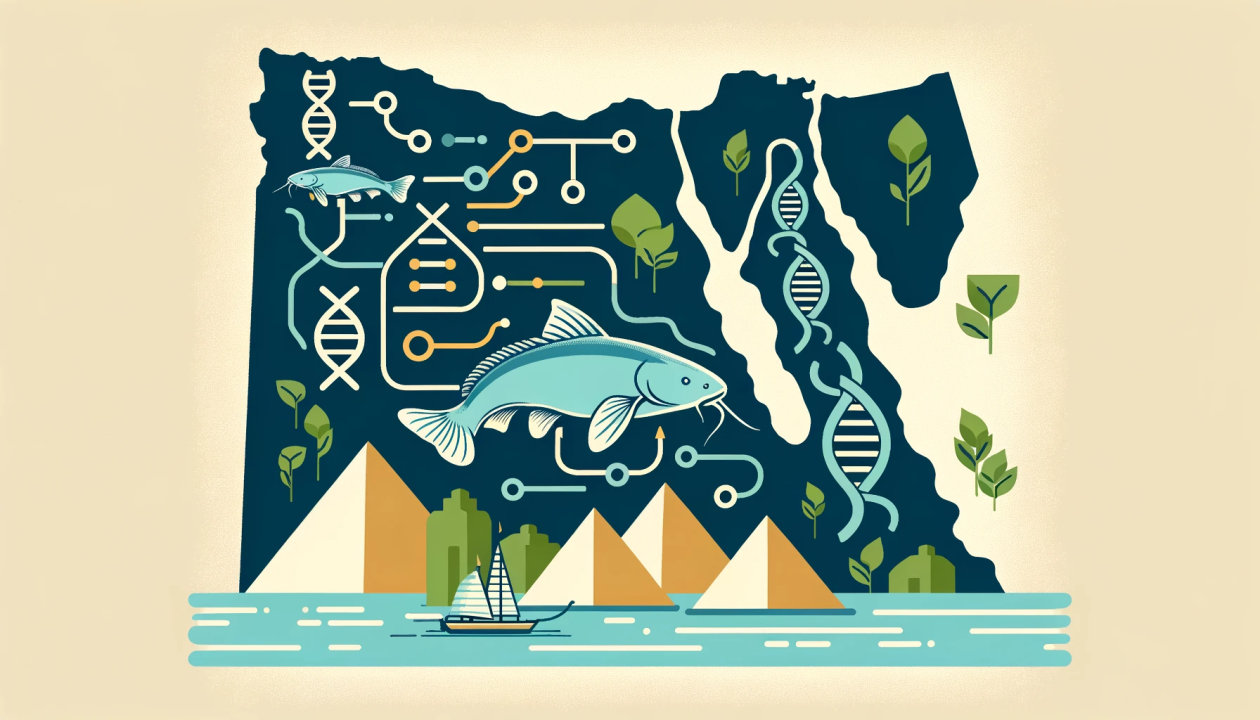
    In Egypt, the African sharptooth catfish ranks as the third most important species for aquaculture. However, aquaculture practices, such as the continuous use of farm-bred strains, have raised concerns about genetic diversity and stock health. A study was conducted to assess the genetic diversity of African sharptooth catfish in Egypt. This study also aimed to develop an eDNA-based tool for monitoring the abundance and biomass of this species in the Egyptian Nile tributaries, providing a model that could be applied globally.

    Harnessing eDNA for Catfish Monitoring

    The researchers began by designing species-specific primers targeting the 16srDNA mitochondrial gene of the African sharptooth catfish. These primers were tested on liver samples from various catfish species to ensure specificity. The experiments then moved to the field. Water samples were collected from four canals in Menoufia Governorate, Egypt. Each canal was sampled in areas reported to have catfish abundance and random upstream points. These samples were processed in the laboratory for eDNA extraction. The eDNA was extracted and quantified using qPCR, a method that amplifies DNA and measures its quantity. This process involved creating a standard curve to determine the DNA concentration in each sample accurately. This method allowed researchers to quantify the amount of catfish DNA in the water samples, providing a measure of the species’ abundance in different locations.

    Why eDNA Matters for Monitoring Catfish

    The study found significant variations in the eDNA concentrations of the Sharptooth catfish across the sampled canals. The highest concentrations were found in the El-Atfy canal, followed by Al-Nenaeia, with lower concentrations in Bahr Seif and Bahr Shebin. These findings indicate that eDNA can effectively reflect the relative abundance of catfish in different habitats. Interestingly, these findings were consistent with reports from local fishermen. Additionally, the study provided insights into the genetic diversity of the species, indicating limited genetic variation within the Egyptian population compared to other African and Asian populations.

    Implications and Future Directions

    The use of eDNA-based monitoring for economically significant and potentially invasive species, such as the African sharptooth catfish, can have far-reaching implications for conservation strategies and aquaculture practices. The eDNA innovative approach offers several key benefits:

    1. Non-Invasive Sampling: By eliminating the need for physical capture and handling of fish, eDNA sampling minimises stress and potential harm to the population, promoting a more ethical and sustainable monitoring practice.

    2. Accurate Monitoring: eDNA coupled with qPCR provides a reliable estimate of species presence and abundance, crucial for effectively managing both native and invasive populations. This information can guide targeted conservation efforts and help implement control measures to mitigate ecological impacts.

    3. Broad Applicability: The development of specific eDNA primers and qPCR assays for the African sharptooth catfish can be adapted and applied to other regions and species, contributing to enhanced global biodiversity monitoring efforts.

    However, it is essential to acknowledge the challenges associated with eDNA analysis. Factors such as water clarity, the presence of PCR inhibitors, and the natural behaviour of the target species can influence the accuracy of eDNA detection. Understanding and accounting for these variables is crucial for the accurate interpretation of eDNA results.

    The Egyptian study on the African sharptooth catfish underscores that eDNA will undoubtedly play an increasingly vital role in efforts to understand, manage, and protect aquatic biodiversity. Integrating eDNA into environmental monitoring toolkits will revolutionise how we approach protecting and sustaining our invaluable aquatic ecosystems. Are you considering using eDNA in your projects? Let us talk more in the comments.