Category: Articles

Explore stories, insights, and thought leadership from across the environmental DNA community. Our blog features accessible explainers, field notes, research highlights, member reflections, and commentary on emerging trends. Whether you’re new to eDNA or a seasoned practitioner, these articles are designed to spark curiosity, share knowledge, and spotlight real-world applications of eDNA in conservation and environmental science.

  • Revolutionising Marine Conservation: Integrating eDNA and Bioindicators with Portable Biosensors

    Revolutionising Marine Conservation: Integrating eDNA and Bioindicators with Portable Biosensors

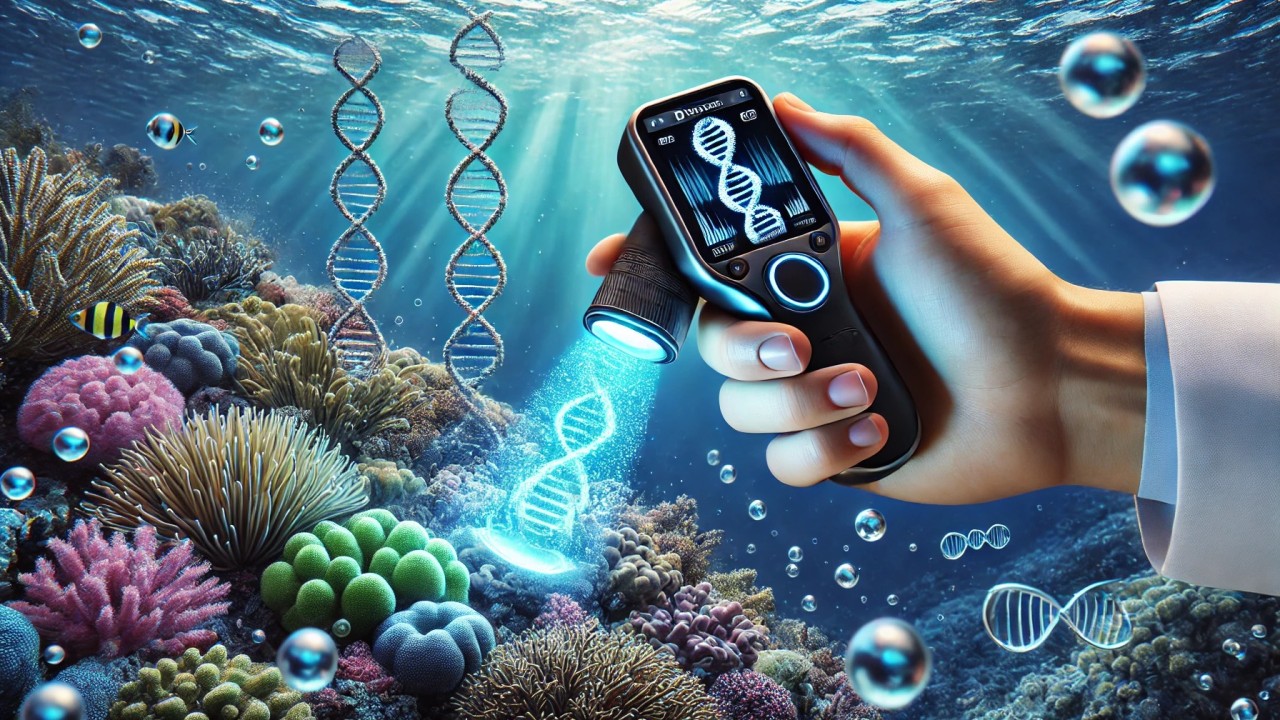
    Coral reefs are vibrant ecosystems that underpin marine life, protect coastal communities, and support local economies. Yet, rising sea temperatures and pollution have destabilised these delicate environments, triggering bleaching events and escalating disease outbreaks. Recent research has revealed an innovative method for detecting coral diseases at their earliest stages, combining environmental DNA (eDNA) analysis with portable biosensors.

    Preserving Coral Reefs in Challenging Times

    Often referred to as “rainforests of the sea,” coral reefs harbour rich biodiversity, promote coastal resilience, and support vital industries such as tourism and fisheries. However, prolonged environmental stress has eroded their defences. One notable threat is the pathogen Vibrio coralliilyticus, which remains benign under normal conditions but becomes virulent at higher temperatures, causing tissue damage and coral bleaching. Traditional monitoring methods, such as visual surveys and manual sampling, can be slow, labour-intensive, and risk overlooking early-stage disease. Scientists and engineers have therefore sought new ways to track pathogens before visible signs of coral decline appear.

    A New Paradigm for Early Detection

    This emerging solution combines eDNA-based bioindicators with a portable electrochemical biosensor that detects low concentrations of Vibrio coralliilyticus DNA in water. eDNA consists of genetic material shed by organisms through skin cells, mucus, and waste. Since it appears in the surrounding environment before corals exhibit clear signs of stress, eDNA provides an invaluable early warning. The portable biosensor then converts this genetic information into an electrochemical signal, enabling real-time monitoring with minimal effort.

    Several key questions guided the research. Could a portable biosensor accurately detect Vibrio coralliilyticus at extremely low levels in seawater long before visible damage was done to corals? Might nanomaterials—specifically cobalt-iron Prussian Blue Analogue (Co-Fe PBA)—enhance the sensor’s performance? Could early detection genuinely enable timely interventions and prevent the cascading damage often observed in reef ecosystems?

    Developing the Portable Electrochemical Biosensor

    The newly designed biosensor results from an interdisciplinary effort at the intersection of chemistry, biology, and engineering. Its core relies on two elements: eDNA as the biological indicator and Co-Fe PBA nanomaterials embedded within the electrode. This combination ensures that the sensor can detect even minute traces of target DNA.

    How the Biosensor Works: Corals—whether healthy or stressed—continuously release eDNA into their surroundings. The biosensor collects a water sample and utilises specialised oligonucleotide probes designed to detect Vibrio coralliilyticus DNA. When the target binds to these probes, it triggers an electrochemical signal that translates into a quantifiable measurement. The Co-Fe PBA nanoframes significantly enhance this process by providing an expansive surface area for probe attachment and facilitating rapid electron transfer. Notably, detection levels range from 100 femtomolar (fM) to 100 nanomolar (nM), exceeding many current monitoring methods.

    Material Synthesis and Validation

    Researchers synthesised Co-Fe PBA nanoframes in the laboratory, integrating these materials into the sensor’s electrode system to maximise probe density. The custom oligonucleotide probes were then subjected to stringent specificity checks to ensure they would not bind to the DNA of unrelated marine microorganisms. Following this, calibration tests confirmed that the biosensor maintained high sensitivity, a broad detection range, and strong specificity. Reproducibility studies revealed consistent outputs across multiple trials, while validation in controlled aquarium setups, which simulated rising seawater temperatures, assisted in correlating eDNA levels with the onset of coral stress and bleaching.

    Key Findings: A Promising Tool for Coral Monitoring

    One significant achievement was the clear characterisation of the Co-Fe PBA nanoframes. Microscopic and spectroscopic analyses confirmed a hollow, open cubic architecture with a high specific surface area of approximately 72 m²/g. This robust structure considerably enhanced electron transfer, reducing impedance from 81 Ω (bare electrode) to 68 Ω when the nanoframes were incorporated. In practical terms, the biosensor’s electrical response becomes more sensitive, enabling the detection of target DNA at exceedingly low concentrations.

    Further evaluations revealed a linear relationship between the sensor’s current signal and the logarithm of the target DNA concentration, which spanned from 100 fM to 100 nM. The limit of detection was 19.0 fM, demonstrating impressive sensitivity. In specificity tests, the sensor largely disregarded potential interfering species, emphasising its precise focus on Vibrio coralliilyticus. Its stability also proved remarkable; after a week at room temperature, the sensor maintained approximately 88% of its signal—an essential quality for field-based applications where regular maintenance is challenging.

    In controlled coral infection experiments simulating elevated seawater temperatures, the sensor detected a consistent rise in eDNA prior to any visible bleaching. When eDNA attained approximately 645 copies/µL at 30 °C, subsequent visual assessments confirmed a decline in coral health. Parallel measurements using droplet digital PCR showed no statistically significant differences from the biosensor results. This alignment with established methods enhances the device’s credibility as a real-time, on-site tool for diagnosing coral disease risk.

    Broader Implications for Marine Conservation

    Beyond its immediate benefits, the portable electrochemical biosensor illustrates how the integration of eDNA, bioindicators, and advanced nanotechnology can transform environmental monitoring. It highlights the importance of interdisciplinary collaboration—merging material science, molecular biology, and environmental engineering has proven especially fruitful. Most importantly, the ability for early detection can shift conservation strategies from reactive to preventive, potentially saving time, resources, and marine life.

    This research also emphasises the necessity for practical solutions that can function effectively outside of controlled laboratory environments. Genuine progress in conservation occurs when innovative science is coupled with operational simplicity and deployable field devices.

    Looking to the Future: A Brighter Horizon for Coral Reefs

    Several avenues for development exist. The researchers are examining microfluidic systems to streamline DNA extraction, accelerate the process, and enhance user-friendliness. The fundamental principles could be adapted to identify other marine pathogens or environmental indicators, transforming the device into a multi-purpose sentinel for diverse aquatic ecosystems.

    Real-time data analytics represents another significant frontier. Pairing the biosensor with advanced analytical platforms could revolutionise how field data is processed, enabling immediate insights into coral health trends and facilitating proactive interventions. Engaging with communities, policymakers, and conservation organisations will be essential for integrating these innovations into existing management frameworks and maximising real-world impact.

    For many countries, coastal resources are national treasures worth preserving. A portable electrochemical biosensor offers a compelling glimpse of how technology can bolster conservation. Its remarkable sensitivity, reliability, and ease of use allow environmental managers and local stakeholders to respond faster than ever before. By detecting the earliest signals of coral disease, we move closer to preserving the reefs that sustain biodiversity, livelihoods, and coastal protection.

  • Insights from Less Data: How Machine Learning and eDNA Streamline Marine Biomonitoring

    Insights from Less Data: How Machine Learning and eDNA Streamline Marine Biomonitoring

    Monitoring marine ecosystems is critical to understanding environmental changes and managing human impact. Traditional biomonitoring methods, while valuable, often struggle with limitations such as species misidentification and difficulty distinguishing closely related organisms.

    Environmental DNA (eDNA) analysis has transformed marine monitoring by detecting traces of genetic material left behind by organisms in water and sediment. However, eDNA studies generate vast datasets that require advanced analytical tools to extract meaningful insights. This is where machine learning, specifically the Random Forest algorithm, offers a breakthrough.

    A study demonstrated how Random Forest can process complex eDNA datasets to improve the efficiency and cost-effectiveness of marine biomonitoring. By optimising data usage, it provides accurate ecological assessments while reducing sequencing costs and computational burdens.

    What is Random Forest?

    Random Forest is an ensemble machine learning method that operates by constructing multiple decision trees. Each tree analyses a subset of the data and makes predictions, and the aggregated results provide a more robust and reliable outcome. This method is particularly well-suited to handling large, noisy datasets, such as those generated in eDNA studies.

    Refining eDNA-Based Marine Biomonitoring

    This study sought to optimise the use of eDNA data for marine biomonitoring by addressing two key questions:

    1. What is the minimum amount of sequence data required to maintain accurate predictions using Random Forest?
    2. Is this minimum threshold consistent across different monitoring objectives, such as assessing biotic indices, geographic origins, or aquaculture production phases?

    By answering these questions, researchers aimed to guide future sampling strategies, reducing sequencing costs and computational burdens without compromising ecological insights.

    Study Design and Data Collection

    The study was conducted at a Scottish salmon farm, where sediment samples were collected from locations ranging from near the fish cages to more distant reference sites. Using a grab sampler, researchers extracted small portions of surface sediment and preserved them for laboratory analysis.

    DNA was then extracted from these sediment samples, focusing on a specific 450-base pair section of bacterial DNA. This allowed researchers to profile microbial communities and assess environmental changes associated with aquaculture activities.

    Training the Random Forest Model

    Once sequencing was complete, the next step was to build and train the Random Forest model. The dataset, comprising bacterial DNA profiles, was linked to known sample attributes, such as proximity to fish cages and production phases.

    The model was trained using thousands of decision trees to enhance predictive accuracy. To assess performance, researchers employed out-of-bag (OOB) testing, a technique where each tree predicts outcomes for data it was not trained on. This provided an unbiased estimate of how well the model would generalise to new samples.

    To determine the minimum sequence requirement, the dataset was progressively reduced—starting with the full set of sequences and gradually cutting down to as few as 50 per sample. The goal was to evaluate whether Random Forest could maintain accurate predictions with less data.

    Key Findings

    The study compared full datasets with downsampled versions to assess the impact of data reduction on predictive accuracy. Results varied depending on the monitoring objective:

    • Predicting proximity to the fish farm: The full dataset achieved an 89% accuracy rate. Even when the sequence count was reduced to 5,000 per sample, predictions remained highly reliable.
    • Classifying salmon production phases: Remarkably, reducing the dataset to as few as 50 sequences per sample still maintained an accuracy of approximately 89%. This suggests that when differences between categories are distinct, minimal sequencing data is sufficient for robust predictions.
    • Assessing ecological quality and ballast water origin: The model required a higher sequence count—typically 2,500 to 5,000 per sample—to maintain performance. Predictions became less reliable when categories had overlapping or indistinct boundaries.

    These findings indicate that the optimal sequencing depth depends on how well genetic markers differentiate between target categories. In cases where distinctions are clear, fewer sequences can yield reliable results. Conversely, where distinctions are more subtle, deeper sequencing is required.

    Implications for Marine Biomonitoring

    A key takeaway from this study is that more data is not always better. Instead, strategic sequencing—focusing on obtaining just enough data to define key ecological categories—can reduce costs and computational load while maintaining high prediction accuracy.

    This has practical implications for regulatory bodies, industry stakeholders, and researchers relying on eDNA for environmental assessments. By tailoring sequencing efforts to the specific monitoring objective, it is possible to develop more cost-effective and scalable biomonitoring programmes.

    Looking Ahead: Smarter Environmental Management

    The integration of machine learning with eDNA analysis represents a step-change in how we monitor marine ecosystems. As environmental challenges grow more complex, leveraging intelligent data science tools such as Random Forest will be essential for efficient and sustainable resource management.

    By refining our approach to eDNA analysis, we can enhance our ability to detect ecological changes, support conservation efforts, and improve the sustainability of marine industries. This study marks a significant advance in making marine biomonitoring more accessible, effective, and responsive to real-world environmental challenges.

  • eDNA Innovations in Pest Monitoring: A Breakthrough in Managing the Japanese Orange Fly

    eDNA Innovations in Pest Monitoring: A Breakthrough in Managing the Japanese Orange Fly

    Pest outbreaks can quickly turn into major economic losses if they are not identified and managed early. One of the most challenging pests in citrus farming is the Japanese orange fly (Bactrocera tsuneonis). This pest is particularly difficult to detect because its larvae develop hidden inside mandarin oranges. Recent research exploring environmental DNA (eDNA) has opened a promising avenue for early detection in agricultural settings, offering a non-destructive and efficient alternative to traditional methods.

    Understanding the Japanese Orange Fly

    The Japanese orange fly is a pest that mainly targets mandarin oranges. Its life cycle is closely linked to the seasonal rhythm of citrus orchards. During the summer months, adult female flies lay their eggs in immature fruits. Once the eggs hatch, the larvae grow concealed within the fruit until they are ready to leave and pupate in the soil during early winter. Because the larvae develop inside the fruit, any damage is often only discovered after the infestation has already caused significant harm.

    Traditional detection methods have generally relied on visual inspections and the use of bait traps. However, these methods come with several drawbacks. Visual inspections require expert knowledge and are time-consuming; they often miss early signs of infestation since the damage occurs internally. Bait traps, which typically use chemical attractants such as methyl eugenol, are also ineffective for the Japanese orange fly, as this species does not respond well to such lures. Consequently, there is an urgent need for a detection method that can signal the presence of the pest before it becomes too late for effective intervention.

    The Promise of eDNA in Pest Management

    Environmental DNA, or eDNA, has emerged as a revolutionary tool in pest management. The basic concept behind eDNA is that organisms leave behind traces of genetic material in their environment. In the case of Japanese orange fly, this DNA can be deposited on the surface of fruits during activities such as mating behaviour or even incidental licking. Researchers have now demonstrated that by simply rinsing the surface of mandarin oranges with water, it is possible to collect samples that provide evidence of the pest’s presence even when traditional indicators, such as oviposition pinholes, are absent.

    This approach has significant advantages. By detecting even minute amounts of genetic material, the eDNA method allows for earlier and non-invasive surveillance of pest populations. Instead of waiting for physical signs of infestation or employing labour-intensive trap surveys, farmers can now potentially monitor orchards more proactively, catching infestations while they are still in their initial stages.

    How eDNA Detection Works

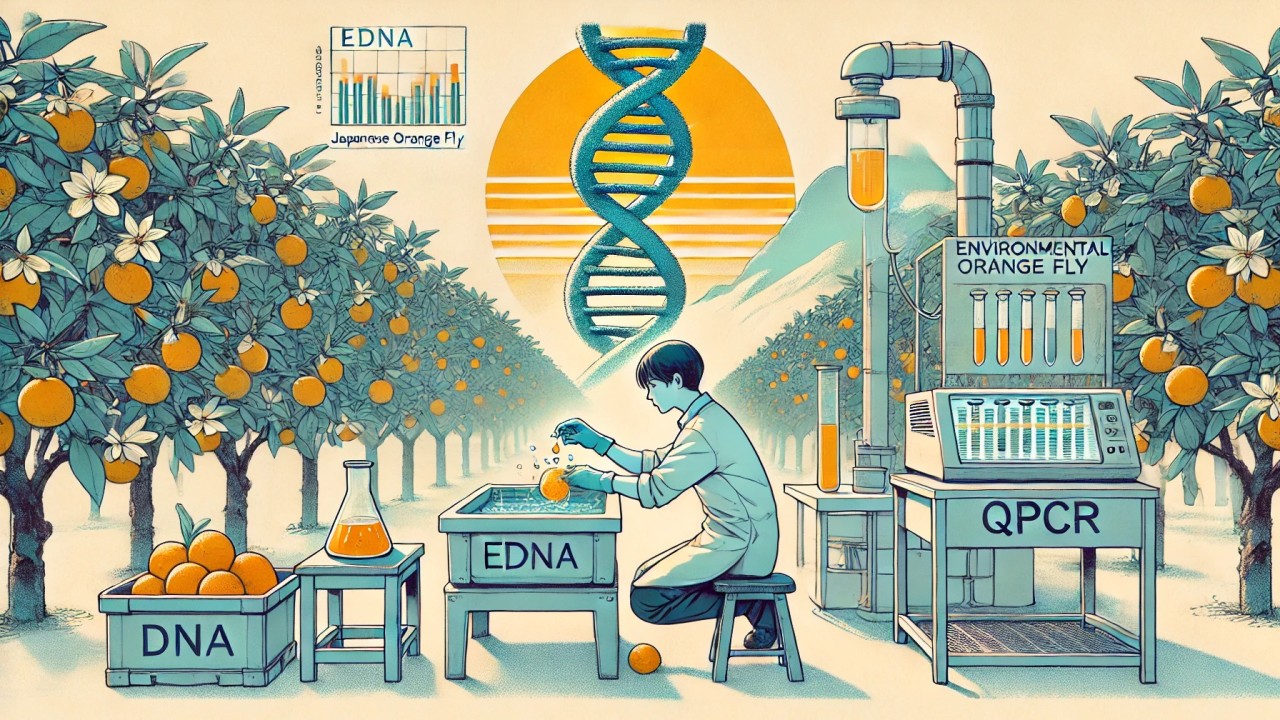
    The eDNA detection process is both innovative and straightforward. It begins with the careful collection of mandarin oranges from the orchard. Farmers or researchers take great care to avoid contaminating the fruit with extraneous DNA. This typically involves wearing clean gloves and using sterilised plastic bags to handle the fruit, ensuring that only the natural DNA present on the fruit’s surface is collected.

    After the fruits are gathered, they are placed in a container with distilled water. The fruits are then left to soak for a specified period, during which any traces of pest DNA present on their surfaces are washed off into the water. The next step is to filter the water to capture the DNA fragments. A specialised filter, such as a Sterivex filter, is used for this purpose. Once the water has been filtered, the DNA trapped on the filter is extracted using standard DNA extraction kits.

    The final stage of the process involves analysing the extracted DNA using quantitative real-time polymerase chain reaction (qPCR). This advanced method amplifies even the tiniest quantities of DNA, making it possible to detect the genetic material left by the pest. Researchers have designed specific primers and fluorescent probes that target a mitochondrial gene unique to the Japanese orange fly. This design ensures that the detection method is both sensitive and highly specific, eliminating the risk of cross-reactivity with other organisms.

    Field Testing and Practical Results

    Field tests provided strong evidence supporting the effectiveness of eDNA-based detection for the Japanese orange fly. Early experiments concentrated on fruits that already exhibited visible signs of infestation, such as small pinholes created by egg deposition. When these fruits were rinsed in water for one hour, about 20% showed detectable levels of pest DNA. When the rinsing period was extended to 18 hours, the detection rate increased to approximately 33%. Although the longer rinsing time did improve detection slightly, statistical analysis indicated that a one-hour rinse was generally sufficient for effective DNA extraction.

    One of the most promising outcomes from the field trials was the ability of the eDNA method to detect the pest, even in fruits that appeared completely healthy. In a separate set of tests, approximately 10% of fruits with no visible signs of infestation still yielded positive results for the presence of Japanese orange fly DNA. This finding is significant because it demonstrates that the eDNA method can serve as an early warning system, alerting farmers to potential infestations long before any physical damage is visible.

    To further improve efficiency, researchers also explored the technique of pooled sampling. In this approach, one fruit displaying obvious signs of pest activity was combined with four seemingly uninfected fruits in a single water immersion. Even with this mixed sample, the method was able to detect the presence of pest DNA. Pooled sampling is particularly advantageous for large orchards where testing each individual fruit would be impractical. However, this approach requires meticulous sample handling to minimise the risk of contamination between samples.

    Field examinations conducted across various orchards reinforced the reliability of the eDNA method. In orchards with high pest densities, where adult Japanese orange flies were frequently observed, the detection rates in fruit samples ranged between 60% and 80%. Even in orchards where adult flies were not seen, the method detected eDNA in around 60% of samples, resulting in an overall average detection rate of approximately 65.7%. These consistent results suggest that eDNA analysis can reliably indicate pest presence, regardless of the density of adult flies in the area.

    To further validate the findings, researchers performed sequence analysis on the PCR amplicons obtained from the samples. The sequences were then compared with known reference sequences of the Japanese orange fly. The high degree of similarity confirmed that the eDNA detected in the samples was indeed from the target pest, providing additional confidence in the method’s accuracy and reliability.

    Advantages of eDNA in Pest Monitoring

    The advantages of eDNA detection for Japanese orange fly go beyond just technical sophistication. It also offers transformative potential for agricultural pest management by:

    Early Detection: Addressing infestations before populations grow large enough to cause significant damage.

    Non-Destructive Testing: Unlike methods that require cutting fruits, eDNA is a minimally invasive process, preserving the integrity of the produce.

    Adaptability: This method can be employed even in regions with low pest density or uncertain infestation status, offering more inclusive monitoring coverage.

    Cost-Efficiency: By enabling pooled sampling of fruits, it decreases the time and resources needed for extensive trap surveys and visual inspections.

    Implications for Agriculture and Future Advances

    The introduction of eDNA technology into pest management practices represents a significant advancement for the agricultural industry. The Japanese orange fly has long been a problematic pest due to its concealed life cycle, and traditional detection methods have proven inadequate. With the advent of eDNA detection, farmers are now equipped with a powerful tool that enables them to monitor their orchards more effectively and respond to infestations before they escalate into serious issues.

    Beyond citrus farming, the principles of eDNA detection have the potential to revolutionise pest management across a variety of crops. As research in this field continues to progress, similar methods could be developed to monitor other agricultural pests that have, until now, been difficult to detect using conventional techniques. This broader application could lead to a paradigm shift in agricultural practices, shifting the focus from reactive measures to proactive, early intervention strategies.

    Moreover, in an era where food security and environmental sustainability are critical, the integration of eDNA detection into routine pest management could prove to be a game-changer. By empowering farmers with the ability to preempt pest outbreaks, this innovative approach promises to safeguard crops, protect livelihoods, and contribute to a more sustainable agricultural future.

  • Tackling Citrus Greening Disease: How eDNA is Transforming Pest Monitoring

    Tackling Citrus Greening Disease: How eDNA is Transforming Pest Monitoring

    Citrus greening disease, also known as Huanglongbing (HLB), remains one of the most pressing threats to the global citrus industry. Not only does this debilitating disease drastically reduce crop yields, but it also undermines farmers’ livelihoods and endangers the worldwide supply of citrus products. At the centre of this challenge is a tiny insect, the Asian citrus psyllid (Diaphorina citri), which transmits the bacterium responsible for causing citrus greening. Because the disease can spread rapidly, early detection of the vector is crucial for preventing large-scale outbreaks.

    Traditionally, pest monitoring has relied on visual inspections or trapping strategies—methods that can be labour-intensive, time-consuming, and prone to errors. These conventional approaches often fall short when insect populations are small or when pests manage to evade capture. However, recent advances in environmental DNA (eDNA) analysis are offering an alternative that promises faster and more accurate detection. Drawing on recent research from Japan, this article explains how eDNA methods work, why they matter, and how they are redefining pest monitoring in modern agriculture.

    Understanding eDNA and Its Significance

    Environmental DNA, or eDNA, refers to genetic material shed by organisms into their surroundings. For the Asian citrus psyllid, this genetic trace might include saliva, excretions, or eggs deposited on leaf surfaces. By collecting and analysing leaves for these residual genetic signals, researchers can detect the presence of the psyllid without ever seeing or capturing the insect itself.

    In a research study conducted in Japan, the primary goal was to determine whether eDNA from the Asian citrus psyllid could be reliably detected on host plant leaves as an early warning sign. The questions guiding the study were:

    • How quickly can Asian citrus psyllid-derived eDNA be detected on host plants after contact?
    • How long does the eDNA remain detectable under controlled conditions?

    To answer these questions, the team used both greenhouse experiments and field surveys. In the controlled greenhouse setting, they inoculated Murraya paniculata (Orange Jasmine) seedlings with Asian citrus psyllids for periods ranging from 10 minutes to several hours. They then carried out tests to see how swiftly the eDNA became detectable on the leaves and how long it persisted, with some tests extending up to 180 days. Field surveys were also performed in citrus-growing regions, including Okinoerabujima Island in Kagoshima Prefecture, where samples were taken from Citrus spp. and Murraya trees under real-world conditions.

    Methodological Highlights: From Leaves to Lab

    The researchers’ methodology involved extracting DNA from collected leaves and then using PCR primers. These primers targeted the psyllid’s mitochondrial genes (12S, COI, ND4) as well as genes from its symbiotic bacteria (Wolbachia spp., Candidatus Carsonella spp., and Candidatus Profftella spp.). By focusing on these genetic markers, they could detect even minute amounts of the insect’s DNA. This meticulous approach also helped minimise the risk of false positives by leveraging the unique DNA signatures of the psyllid’s symbionts.

    The study’s findings were both compelling and encouraging:

    1. High Detection Accuracy Even a brief 10-minute contact between the psyllid and a host leaf was sufficient for eDNA to be picked up in lab tests.
    2. Low False Positives Certain primers occasionally flagged some related insect species, yet the presence of symbiotic bacteria such as Candidatus Carsonella and Candidatus Profftella offered an additional layer of specificity, making the method highly accurate for psyllid detection.
    3. Field Applicability Trials conducted in regions like Okinoerabujima Island demonstrated that eDNA could be recovered from leaves even where pest densities were low.
    4. Prolonged Detectability Residual eDNA persisted on leaves under controlled greenhouse conditions for up to six months, indicating that plant surfaces serve as “living traps” that can provide valuable historical data on pest presence.

    This research underscores the enormous potential of eDNA as a rapid, non-invasive tool for monitoring the Asian citrus psyllid. Such timely detection is essential for combating citrus greening disease and protecting crop yields, not only in Japan but potentially in citrus-growing regions worldwide.

    The Value of eDNA in Agricultural Pest Monitoring

    1. Early Warning and Rapid Response

    Conventional pest monitoring methods often require weeks—or even months—to detect an infestation. Traps must be set up, checked regularly, and assessed for insect counts. By contrast, eDNA allows for the detection of an insect’s presence within minutes or hours of contact with a plant. Indeed, the Japanese study showed that psyllid eDNA could be reliably identified after a mere 10 minutes of contact, and traces persisted for up to 180 days. This rapid detection capability is invaluable for triggering timely interventions and preventing large-scale disease outbreaks.

    2. Non-Invasive and Cost-Effective Surveillance

    Using host plants as natural surveillance “devices” substantially reduces the need for labour-intensive trap installation and upkeep. Researchers or farmworkers can collect leaf samples from different parts of an orchard without disturbing the crop or having to install elaborate monitoring systems. This efficiency not only lowers costs but also offers a less disruptive method, making eDNA a practical solution for both commercial growers and smallholder farmers.

    3. Targeted Pest Management

    The precise nature of eDNA detection enables farmers to deploy targeted responses. Rather than applying pesticides across entire fields, growers can focus control measures on specific areas where eDNA indicates pest presence. This targeted approach helps reduce chemical usage, mitigating environmental impacts and potentially lowering production costs.

    4. Adaptability in Real-World Conditions

    Field trials have shown that eDNA methods perform effectively under variable conditions, including regions with low psyllid densities. Leaves from both Citrus spp. and Murraya trees have proven suitable for detection, suggesting that this technology is versatile and can be integrated into existing agricultural practices with relative ease.

    Overcoming Challenges and Charting Future Directions

    While eDNA-based monitoring promises a host of benefits, it does come with certain challenges. Laboratory processes demand meticulous handling of samples, and environmental factors such as rain, wind, or extreme temperatures may affect DNA stability on leaf surfaces. False positives, though reduced by targeting the psyllid’s symbiotic bacteria, remain a consideration that calls for ongoing refinements to primer design and testing protocols.

    Current research is focused on enhancing the robustness of eDNA methodologies, ensuring reliable performance under varied environmental conditions. Researchers are also exploring the possibility of transferring these techniques to other pests and pathogens. The principles underpinning eDNA detection—capturing genetic remnants without directly collecting the organism—could revolutionise monitoring for a wide array of agricultural threats.

    Another frontier lies in integrating eDNA data with digital mapping tools such as geographic information systems (GIS). By overlaying eDNA detection results onto regional maps, policymakers and farmers can gain a clearer picture of where pests are emerging, how they spread, and which areas require immediate intervention. This data-driven approach would allow for more precise resource allocation and improved risk assessment—vital advantages as climate change and global trade patterns continue to influence pest distribution worldwide.

    Conclusion: eDNA as a Game-Changer in Agricultural Pest Management

    Environmental DNA represents a timely convergence of cutting-edge molecular science and the pressing needs of modern agriculture. The ability to detect the Asian citrus psyllid on plant leaves—without physically capturing the insect—highlights the transformative power of this approach. As citrus greening continues to threaten global citrus production, the importance of rapid, early detection cannot be overstated. By harnessing eDNA, farmers gain a sophisticated yet accessible tool that can pinpoint pest presence well before large infestations take hold.

    As research continues and field protocols are refined, eDNA monitoring will likely be integrated into routine agricultural practices. This technology presents a significant opportunity for farmers, researchers, and policymakers alike to adopt a more forward-thinking approach to pest control, one in which early detection and responsible intervention reduce losses and safeguard local ecosystems.

    Ultimately, embracing eDNA-based monitoring is an investment in a more secure and sustainable agricultural future. By bridging the gap between scientific innovation and practical field application, eDNA has the potential to reshape not only how the citrus industry tackles greening disease, but also how global agriculture confronts an ever-evolving spectrum of pest threats. With continued collaboration and investment, it may soon become a standard tool in the arsenal against pests—helping to preserve crops, strengthen livelihoods, and ensure the resilience of food systems in the face of complex environmental challenges.

  • Ecological Secrets: eDNA’s Role in Revealing Plant–Pollinator Interactions

    Ecological Secrets: eDNA’s Role in Revealing Plant–Pollinator Interactions

    Plant–pollinator interactions represent one of the most crucial relationships in ecosystems, influencing biodiversity, reproduction, and ecosystem stability. Yet, these dynamics are often difficult to study comprehensively using traditional methods of observation. A recent study from New Zealand showcases how environmental DNA (eDNA) metabarcoding significantly enhances our understanding of these interactions, revealing intricacies that had eluded past research methods. Pollinator-plant relationships are dynamic webs of interaction, pivotal not only to individual species’ survival but also to the resilience of broader ecosystems. Harnessing modern molecular tools, this study demonstrates that we are finally equipped to fully appreciate, document, and act upon the intricate interactions of plants and insects.

    How eDNA Redefines Pollination Studies

    For decades, our understanding of plant-pollinator relationships has relied heavily on direct observation and specimen collection, both of which are limited by time, visibility, and sometimes bias towards diurnal activities. eDNA radically shifts this paradigm. By identifying genetic material released into the environment—on flower petals, nearby soils, or via visiting pollinators—this non-invasive methodology provides a powerful lens to detect not just expected floral visitors but also hidden contributors, such as nocturnal or unexpectedly diverse insect communities.

    This particular study revealed an expansive and often surprising range of flower visitors. In addition to known pollinators like native bees (e.g., Leioproctus spp.), the research uncovered evidence of less obvious agents such as flies (Diptera) and native moths involved in nocturnal pollination—a phenomenon rarely studied but gaining recognition as an integral component of pollination ecology.

    Methodology: Combining Innovation and Rigour

    The study set out to explore floral visitation and the biodiversity of plant-pollinator interactions in native New Zealand Myrtaceae species like mānuka (Leptospermum scoparium) and Lophomyrtus spp. To achieve this, the research deployed eDNA metabarcoding, alongside field observations and pollen exclusion trials, allowing for a comprehensive understanding of plant-insect relationships.

    Sampling was carried out across three diverse sites: a peri-urban planted location, a natural forest edge in Rotorua, and the remote Kaimai-Mamaku Ranges. These sites were selected to evaluate different environmental contexts impacting the floral biodiversity of the target species.

    Sample Types: Insect specimens and flower samples were carefully collected. For insects, sweep nets were used at flowers across day and night cycles to capture diurnal and nocturnal visitors. Flowers were also collected individually to avoid contamination.

    Pollination Experiments: To distinguish between insect-mediated pollination and self-pollination, researchers deployed four treatments using organza bags: open access (positive control), full exclusion (negative control), daytime access only, and nighttime access only. These experiments allowed for direct comparisons of pollination success across varied conditions.

    Once collected, plant flowers and insect specimens were freeze-dried. This process preserved the genetic material by removing moisture for a minimum of 48 hours. DNA Extraction was done using a CTAB-chloroform extraction workflow. Researchers isolated molecular material from mixed samples and then used key genetic markers targeted for amplification. These were COI (Cytochrome Oxidase I) for insects, enabling species-level identification due to its high variability and trnL intron for chloroplast DNA, offering insights into plant species present on, or, interacted with by insects. Deep sequencing was done on the Illumina MiSeq platform, a next-generation system ideal for producing high-resolution genetic data.

    A Hidden Diversity of Flower Visitors

    The study identified a surprising variety of insects visiting the flowers of mānuka and Lophomyrtus species. While native bees such as Leioproctus spp. were anticipated contributors, a more diverse array of flower visitors, including flies, moths, and beetles, was detected. Notably, the study also reported species not traditionally associated with pollination. For instance, insects like Strepsicrates ejectana (a native moth), predatory flies (Dolichopodinae), and various weevils joined the more expected pollination agents. This diversity includes both pollinators and other insects whose roles may be indirect or even unrelated to pollination, such as herbivory or predation.

    The Overlooked Role of Nocturnal Pollinators

    One of the most notable findings was the evidence supporting nocturnal pollination. eDNA profiling detected native nocturnal moths visiting mānuka and Lophomyrtus flowers. While daytime pollination has traditionally garnered more attention, this study reveals that nighttime visitors actively contribute to the reproductive success of these plants. Analysis of the seed set further validated this conclusion (see later section). Flowers exposed to nocturnal pollination treatments showed pollination success, albeit at lower rates compared to daytime exposure. These findings suggest that moths and other nocturnal insects play an understated but important role in pollination, especially in ecosystems lacking the large, social bees found in other parts of the world.

    Flower Resources Beyond Pollination: A Broader Perspective

    The study also highlights the importance of floral resources in supporting a broader spectrum of ecological interactions. Many detected flower visitors, such as gall midges and predatory flies, engage with flowers not necessarily for pollination but for other purposes. For example:

    Gall Midges and Ecosystem Health: The presence of gall midges (Mycodiplosis constricta), whose larvae feed on the spores of the invasive myrtle rust pathogen (Austropuccinia psidii), suggests these insects may play a role in mitigating the spread of this disease. Floral resources could enhance the populations of these allies, providing an indirect ecological benefit.

    Non-Pollinator Interactions: Other visitors, such as weevils, leaf beetles, and predatory flies, utilise floral spaces for feeding, breeding, or hunting prey. This reflects flowers’ multifaceted roles in supporting insect biodiversity far beyond direct pollination activities.

    Site-Specific Variations

    Flower visitor communities were found to vary significantly between the sampled locations. For example, insects visiting Lophomyrtus bullata at the Kaimai-Mamaku ranges differed markedly from those found at urban sites around Rotorua. These community differences may reflect environmental factors, habitat-specific insect distributions, or plant health, particularly concerning the impacts of myrtle rust.

    Pollination Trials: Seed Set Results

    The controlled pollination trials added an experimental layer to the findings, directly linking floral visitation to plant reproductive success. Key results include:

    Highest Pollination Success: Flowers fully accessible to all insect visitors (the no-cage treatment) saw the highest seed set (37.3%), affirming the positive contributions of pollinators to mānuka reproduction.

    Differences Across Treatments: Flowers exposed during the day had a seed set success of 15.2%, while flowers accessible only at night achieved 5.8%, highlighting the comparatively greater role of diurnal pollinators but also confirming the importance of nocturnal visitation.

    Interestingly, flowers in full exclusion treatments (meant to exclude all visitors) achieved some pollination success, possibly due to self-pollination or incomplete exclusion of small insects. This finding calls for further investigation into the balance between self-pollination and insect-mediated pollination in these species.

    Implications for Ecosystem Health and Conservation

    The findings have far-reaching implications for biodiversity conservation and ecosystem management. Not only do they underline the ecological importance of mānuka and Lophomyrtus as keystone species supporting diverse insect communities, but they also reveal how targeted conservation could bolster these interactions to benefit broader ecosystems.

    The demonstrated value of floral resources in supporting both pollination and non-pollination roles suggests avenues for strategic interventions. For instance, conserving floral habitats might support insect species that contribute indirectly to ecosystem services, such as natural pest control or mitigation of pathogens like myrtle rust.

    Technology Meets Conservation—Charting a New Path

    At its core, this research illustrates how the nuanced application of eDNA metabarcoding transforms our capacity to study and conserve biodiversity. By straddling the divide between traditional observation and molecular innovation, eDNA deepens our comprehension of plant-insect relationships, uncovers previously unseen actors, and strengthens conservation science with actionable insights.

    As organisations and environmental stakeholders grapple with growing ecological crises, the inclusion of methodologies like eDNA into their strategies promises measurable benefits. Whether in guiding on-the-ground interventions or influencing policy-level biodiversity frameworks, eDNA is poised to redefine how we explore, monitor, and protect the natural world.

    Plant-pollinator interactions, more multifaceted and essential than ever appreciated, are at the heart of sustaining life. It is through tools like eDNA—and the passion of researchers pioneering these frontiers—that we can truly understand and preserve these fragile networks. Let this be an inspiring testament to the harmonious blend of traditional ecological focus and the cutting-edge technologies reshaping them for a better future.

  • Safeguarding Public Health and One Health with eDNA: Transforming Urban Water Contamination Source Tracking

    Safeguarding Public Health and One Health with eDNA: Transforming Urban Water Contamination Source Tracking

    Contamination in urban freshwater systems by faeces poses a longstanding risk to public health, compromising water quality and the sustainability of recreational sites such as beaches and rivers. Traditional monitoring methods that measure faecal indicator bacteria, including E. coli and Enterococcus, reveal water quality status but cannot conclusively identify contamination sources. A recent study underscores the potential of environmental DNA (eDNA) metabarcoding to bridge this gap. By combining eDNA metabarcoding with microbial source tracking (MST), researchers gained a fuller picture of contamination sources, demonstrating how this approach can inform both public health and One Health strategies.

    Innovating Feacal Source Tracking with eDNA Metabarcoding

    Environmental DNA, or eDNA, consists of genetic material released by organisms through skin cells, faeces, and other biological matter. Conventional MST relies on detecting specific DNA markers one at a time, each tailored to a particular host. eDNA metabarcoding, however, uses next-generation sequencing to identify universal markers—often mitochondrial genes—across multiple species simultaneously. This method broadens the search for potential pollution sources and speeds up analysis in urban water systems. In the Canadian study, researchers focused on four Lake Ontario beaches and nearby rivers, applying both eDNA metabarcoding and digital PCR-based MST.

    Methodology: Integrating eDNA Metabarcoding and MST

    Water and sand samples were taken from four Lake Ontario beaches and two river mouth sites throughout the bathing season, capturing a range of environmental conditions. DNA was extracted using standard protocols and then analysed through eDNA metabarcoding with the mitochondrial 16S rRNA gene to identify mammalian and avian taxa. Next-generation sequencing generated large datasets subsequently processed via bioinformatics pipelines, linking taxonomic identities to sources such as humans, beavers, muskrats, mallard ducks, and gulls. Data normalisation ensured a balanced representation of species across samples.

    Alongside eDNA metabarcoding, digital PCR targeted specific markers for human (HF183 Bacteroides) and bird-derived (Gull4) contamination. Given the frequent detection of human DNA in sewage-impacted sites, PCR-blocking methods were explored to reduce human DNA amplification, making it easier to detect animal-derived eDNA. The team also included markers for cattle, pigs, and chickens to investigate possible contamination from undigested food in human sewage. Results from the metabarcoding and MST analyses were then merged, creating a detailed picture of faecal pollution sources and clarifying how much contamination stemmed from sewage versus wildlife.

    Key Findings: A Comprehensive View of Faecal Pollution

    The study showed that eDNA metabarcoding successfully pinpointed a broad range of faecal contamination sources in water and sand at urban beaches and rivers. Human eDNA dominated most sites, reflecting ongoing wastewater inputs. Wild species, including beavers, muskrats, mallard ducks, and gulls, were also widespread contributors to faecal pollution. These discoveries underscored the multifaceted nature of contamination in urban areas.

    By allowing researchers to detect multiple organisms in a single test, eDNA metabarcoding surpassed conventional MST in uncovering a more diverse set of potential polluters. While MST markers target only a few species, eDNA’s reliance on universal genetic regions provided a richer tapestry of mammalian and avian diversity. Mitochondrial 16S rRNA sequencing, for instance, enabled the simultaneous identification of numerous species from each sample, enhancing overall ecosystem understanding.

    Human Contamination Indicators and Other Surprises

    Notably, the high volume of human eDNA in sewage-impacted sites made it difficult to differentiate between different intensities of human contamination. In these instances, the HF183 marker proved more accurate for identifying human faecal hotspots. This discrepancy emphasises the need to use both MST and eDNA metabarcoding for precise source attribution.

    Another unexpected finding was the frequent detection of chicken and cow DNA, likely originating from food remnants in human sewage rather than direct animal faecal inputs. This underscores the complexity of eDNA data in urban settings, where diet-related DNA can create confusion around actual contamination sources.

    By blending eDNA metabarcoding with MST, the researchers achieved a more nuanced portrayal of faecal pollution. eDNA offered extensive biodiversity information, while MST delivered high specificity for key contributors like humans and gulls. This synthesis enabled better distinctions between sewage-derived and wildlife-driven contamination, providing clearer targets for public health interventions.

    Public Health and One Health Implications

    A notable advantage of this two-pronged approach is its direct relevance to public health and One Health objectives. Faecal pollution can spread waterborne diseases, foster antimicrobial resistance, and harm ecosystems. For instance, beavers and muskrats identified by eDNA often harbour Giardia and Cryptosporidium, both of which can cause gastrointestinal illness in humans. Traditional bacterial indicators do not always align with these pathogens, making advanced detection methods essential for preventive strategies.

    Better identification of avian pollution, such as gull droppings, could guide site-specific measures like habitat alterations to limit faecal entry into recreational waters. The One Health aspect is evident in the detection of urban mammals like raccoons and foxes, which inhabit the human-animal boundary and can transmit zoonotic diseases. Integrating these insights allows health authorities to devise interventions that protect people, wildlife, and the environment.

    Challenges and Future Directions

    Despite promising outcomes, certain obstacles remain. The overabundance of human eDNA in sewage-heavy areas impedes the ability to assess lesser sources, suggesting a need for improved PCR-blocking methods. Additionally, while eDNA metabarcoding captures a broad range of species, it lacks the pinpoint accuracy of MST. Consequently, practitioners should use a combined approach for the best results.

    Another open question is the longevity and decay rate of eDNA in different conditions. Mitochondrial DNA may persist longer than bacterial markers, potentially skewing interpretations of contamination timing or severity. Overcoming these limitations is crucial for fully harnessing eDNA’s capabilities.

    Translating Innovation into Practical Action

    The main value of this new methodology lies in its potential for real-world impact. In areas heavily influenced by wastewater, conventional monitoring can be inconclusive, but a mix of eDNA metabarcoding and MST can offer clearer insights. With scalable technologies, local authorities and resource-limited agencies could adopt these methods for detailed contamination mapping, guiding interventions that suit each site’s specific challenges.

    Public health programmes could benefit from quicker pathogen detection, while environmental agencies might use these findings to balance recreational interests with habitat conservation. Whether the goal is safeguarding human health, preserving urban wildlife, or restoring natural ecosystems, eDNA-based techniques could serve as a foundation for more strategic water management.

    Overall, the fusion of eDNA metabarcoding with MST raises the bar for faecal source tracking. By capturing a wider suite of organisms and honing in on critical indicators, researchers and policymakers can gain a deeper understanding of contamination patterns. This holistic perspective aligns with One Health principles, reflecting a world in which human, animal, and environmental health are intricately connected. If further optimised, this integrated framework could become a powerful tool for safeguarding public health, preserving ecosystems, and informing evidence-based decision-making.

    Moving forward, broader deployment of eDNA metabarcoding across varied geographic regions could refine our understanding of faecal pollution patterns and their evolution over time. Long-term, routine sampling might reveal seasonal shifts in contamination sources or pinpoint emerging threats, such as novel pathogens or antibiotic-resistant microbes. Moreover, integrating eDNA findings with data from land-use surveys, wildlife population studies, and climate models could illuminate the complex factors driving pollution hotspots. As urban populations continue to expand, safeguarding water resources will require adaptive strategies that span sectors and disciplines, reflecting the essence of One Health collaboration. With each advance in eDNA technology, the gap between scientific discovery and practical application narrows, promising solutions that benefit human well-being, protect wildlife habitats, and preserve the integrity of our shared environment. Ultimately, eDNA stands as an evolving frontier in modern environmental stewardship.

  • Precision Detection: How CRISPR Technology and eDNA is Transforming Public Health and Marine Ecosystem Monitoring

    Precision Detection: How CRISPR Technology and eDNA is Transforming Public Health and Marine Ecosystem Monitoring

    In the ever-evolving landscape of scientific innovation, breakthrough technologies are reshaping how we understand and interact with our environment. One such advancement is the integration of CRISPR-Cas12a technology with environmental DNA (eDNA) analysis—a development poised to revolutionise ecological monitoring and public health protection. Its use in tracking marine species like the box jellyfish—a significant public health threat—demonstrates the transformative potential of this technology.

    CRISPR-Cas12a: A Molecular Detective

    At the heart of this innovation lies CRISPR-Cas12a, a sophisticated genetic tool that acts like a highly precise molecular detective. Initially developed for gene editing, CRISPR-Cas12a has found remarkable applications in species detection.

    Here is how it works: Guided by a strand of RNA, the Cas12a enzyme targets specific DNA sequences marked by unique molecular signatures. Upon locating its target, the enzyme not only identifies the sequence but also cleaves the DNA, releasing a fluorescent signal to confirm the presence of the target. Imagine a genetic bloodhound that not only tracks its quarry but also signals its discovery with an unmistakable glow.

    CRISPR-Cas12a is particularly compelling due to its simplicity and adaptability. Unlike traditional detection methods requiring complex laboratory setups, this system is affordable, portable, and highly accurate. Amplification techniques like loop-mediated isothermal amplification (LAMP) eliminate the need for thermal cyclers, making the technology ideal for real-time, field-based applications.

    Environmental DNA: The Silent Sentinel

    Before diving into a case study, it is crucial to understand eDNA—a non-invasive method that detects genetic material left behind by organisms in their environment. Unlike traditional sampling methods that often require capturing or directly observing species, eDNA enables scientists to analyse genetic fragments from water, soil, or air. For example, a simple water sample collected along a beach can reveal the genetic fingerprints of countless marine species, offering a comprehensive snapshot of biodiversity without disrupting the ecosystem. This approach has quietly transformed ecological research and monitoring.

    A Case Study: Tracking Dangerous Jellyfish

    A Recent Study in Thailand highlights the potential of this technology. Researchers focused on the box jellyfish, particularly Chiropsoides buitendijki (commonly known as the “sea wasp”), which poses significant public health risks due to its potent venom. This venom can cause severe pain, necrosis, and even fatalities, making it a serious hazard in Thailand’s coastal waters. Using CRISPR-Cas12a, researchers analysed eDNA samples from 63 coastal sites to detect the presence of this jellyfish species.

    Traditional monitoring methods, such as visual observations and specimen collection, are inherently reactive. By the time a jellyfish is spotted, it may already pose a threat. These limitations underscore the urgent need for sensitive, real-time detection systems to mitigate risks, enhance safety, and protect tourism-dependent economies.

    Unprecedented Sensitivity and Speed

    The results of the study were remarkable. While conventional methods detected the jellyfish at only four sites, CRISPR-Cas12a identified its presence at 17 locations. With a detection limit as low as 0.15 DNA copies per reaction, the system demonstrated extraordinary sensitivity.

    Equally impressive was its speed. A single water sample could yield results with 95% detection accuracy or higher—directly in the field. Although digital PCR (dPCR) slightly outperformed it in sensitivity, CRISPR-Cas12a offered a unique balance of cost-effectiveness, reliability, and portability, making it particularly valuable for use in resource-limited settings.

    Bridging Ecosystem Protection and Public Health

    One of the most compelling aspects of CRISPR-Cas12a is its potential to safeguard public health. As marine species like box jellyfish spread due to climate change and human activity, early detection becomes critical.

    Box jellyfish envenomation can lead to severe health outcomes, including necrosis and death. Timely detection allows coastal authorities to implement preventive measures such as deploying stinger nets, issuing warnings, or stationing medical personnel. By enabling these proactive interventions, CRISPR-Cas12a not only saves lives but also preserves thriving tourism economies.

    Beyond public health, this technology supports sustainable coastal management. Systematic monitoring of hazardous species enables well-informed, balanced interventions that protect both humans and ecosystems. Additionally, the method can be adapted to monitor other marine organisms affected by environmental changes, whether they are invasive species or populations in decline.

    A Game-Changing Technology for Conservation

    The integration of eDNA monitoring with CRISPR-Cas12a is revolutionising how ecosystems are studied and managed. Practical, scalable, and efficient, this approach promotes proactive, data-driven decision-making in biodiversity conservation and public health. By addressing life-threatening challenges while maintaining ecological balance, the technology’s value extends far beyond the coastal zones where it was first tested.

    However, like any tool, CRISPR-Cas12a has its limitations. While it excels in presence/absence detection, its inability to quantify DNA concentrations restricts its utility for studies requiring abundance data. Understanding population sizes, for example, is crucial for specific ecological analyses. Future advancements, such as integrating microfluidics, may address this limitation, enabling semi-quantitative applications.

    Cost is another challenge, particularly for large-scale adoption. While CRISPR-Cas12a is more affordable than many traditional methods, further development could reduce expenses, making it accessible even in economically disadvantaged regions.

    Looking Ahead

    The rapid detection of harmful jellyfish species is just the beginning. As CRISPR-Cas12a technology advances, innovations like multiplex detection—analysing multiple species simultaneously—could broaden its applications across diverse environments. Its role in creating safer habitats and maintaining healthier ecosystems underscores its importance in a future of sustainable coexistence.

    Beyond marine ecosystems, the potential applications are vast. From strengthening biodiversity research to tracking invasive or endangered species, CRISPR-based eDNA frameworks are poised to become indispensable tools in global conservation efforts. As the technology evolves, it promises to drive transformative change in how we monitor, understand, and protect life on Earth.

    By combining the precision of CRISPR-Cas12a with the non-invasive power of eDNA, researchers are rewriting the rules of ecological monitoring and public health. This pioneering approach exemplifies the remarkable synergy between cutting-edge molecular biology and environmental science, charting a new course toward a more sustainable and secure future.

  • The Potential of Environmental DNA in One Health: A Tick Surveillance Perspective

    The Potential of Environmental DNA in One Health: A Tick Surveillance Perspective

    Ticks are among the most significant vectors of diseases worldwide, and their impact is increasing as climate change drives their spread into new regions. Traditional surveillance methods, while valuable, are labour-intensive, prone to delays, and often limited to specific areas. Environmental DNA (eDNA) offers a promising alternative, allowing for more rapid and scalable detection of tick populations by identifying genetic material left behind in the environment. This approach could enhance early warnings, reduce response times, and support the One Health goal of protecting human, animal, and environmental well-being.

    A Promising Study

    A recent study in the United States examined the potential of eDNA for monitoring three medically important tick species: American dog tick (Dermacentor variabili), Lone star tick (Amblyomma americanum), and Black-legged or Deer tick (Ixodes scapularis). The findings highlight eDNA’s role in a One Health context, which recognises the interconnected nature of human, animal, and environmental health in tackling tick-borne diseases.

    The Case for Early Detection

    As ticks move into previously unaffected areas, they pose growing risks to health systems and ecosystems. Warmer temperatures enable faster tick life cycles, higher reproduction rates, and longer active seasons, accelerating their geographical expansion. Early detection in these new regions allows public health agencies to launch awareness campaigns, refine diagnostic approaches, and prepare healthcare professionals.

    However, standard surveillance methods can be slow. Passive surveillance relies on ticks submitted by the public, which may not reflect real-time spread. Active surveillance, though effective, is resource-intensive and can yield false negatives. These factors delay warnings and interventions. In contrast, eDNA’s scalability and sensitivity could fill critical gaps in current surveillance strategies.

    Environmental DNA for Tick Monitoring

    eDNA techniques detect genetic material shed by organisms into their surroundings, such as vegetation and leaf litter. Unlike traditional collection-based methods, eDNA does not require the physical capture of ticks. Instead, it identifies molecular traces left behind, potentially streamlining surveillance and enabling more timely detection.

    In the US study, researchers created species-specific qPCR assays for the three target ticks. Under laboratory conditions, these assays showed high sensitivity and specificity, demonstrating their potential to detect even small amounts of tick eDNA in controlled settings. This breakthrough marks a significant advance in surveillance methodology.

    Challenges in the Field

    Despite promising laboratory results, field tests revealed notable challenges. Samples collected from grassland and forest sites did not yield detectable tick DNA, even though conventional drag sampling confirmed the presence of the targeted species. This shortfall reflects the inherent difficulties of gathering eDNA in terrestrial environments.

    Many ticks, including the Black-legged tick and the American dog tick, spend long periods on vegetation or are buried in leaf litter, shedding minimal DNA. Environmental factors such as UV exposure and rainfall may degrade any DNA present, reducing detectability. Practical issues—like insufficient sampling of plant material and patchy DNA distribution—also limit success in collecting terrestrial eDNA.

    Refining eDNA Sampling Methods

    To enhance the reliability of eDNA surveillance, researchers are exploring improved sampling techniques. One suggestion involves “grass-rolling,” similar to the standard drag method, but using damp cotton sheets that pick up residual DNA over large vegetation areas. Alternatively, spraying water onto vegetation before collecting run-off for filtering may aggregate DNA fragments for easier extraction.

    These techniques could increase sample sizes and boost the probability of detecting trace amounts of tick DNA. More studies—such as controlled experiments in which ticks are exposed to vegetation for set periods—would further clarify how environmental factors affect eDNA degradation, guiding field protocols.

    The One Health Advantage

    By offering timely insights into tick populations, eDNA complements the One Health framework. Early detection has cascading benefits:

    • Human Health: Enhanced diagnostic accuracy for diseases like Lyme disease, reducing misdiagnoses and improving patient outcomes.
    • Animal Health: Informed decision-making for veterinarians and wildlife managers anticipating tick-related risks to livestock and wildlife.
    • Environmental Monitoring: Better understanding of shifting habitats due to climate change, aiding conservation and resource management.

    Because eDNA techniques are more scalable than many current methods, they can enable frequent, proactive surveillance.

    Future Directions

    Further development of eDNA for tick surveillance will focus on refining sampling and preservation methods to improve reliability in field conditions. Combining eDNA with established tick detection techniques could yield a powerful hybrid approach, merging the advantages of advanced molecular tools with the proven utility of traditional methods.

    As climate-driven tick expansion intensifies, innovative approaches like eDNA are vital for safeguarding public, animal, and environmental health. With continued research and field validation, eDNA has the potential to revolutionise tick monitoring, offering a flexible, efficient solution well-suited to the evolving landscape of vector-borne disease.

  • Harnessing eDNA and Dashboards for Water Quality Management

    Harnessing eDNA and Dashboards for Water Quality Management

    In today’s world, where freshwater scarcity is becoming an increasingly pressing issue, ensuring a reliable supply of clean drinking water is more crucial than ever. Water companies face numerous challenges, including pollution, climate change, and the rise of compounds that degrade water quality. Among these, Taste and Odour (T&O) problems have emerged as a significant global concern. However, as shown in a recent study, innovative solutions like environmental DNA (eDNA) analysis and interactive data dashboards are revolutionising water management, offering sustainable and efficient ways to monitor and maintain water quality.

    Maintaining Water Quality in a Changing World

    Freshwater is one of our most vital resources, yet it is under constant threat from various environmental stressors. Pollution from industrial activities, agricultural runoff, and residential waste introduces harmful substances into water sources. Climate change exacerbates these issues by altering precipitation patterns, increasing temperatures, and causing extreme weather events that can disrupt water supply and quality. Additionally, the influx of nutrients like nitrogen and phosphorus can lead to the growth of harmful algal blooms, which produce unpleasant tastes and odours in drinking water, commonly referred to as T&O events.

    T&O events are particularly problematic because they affect water palatability, leading to consumer dissatisfaction and significant financial costs for water companies. Traditional monitoring methods, such as cell counts and microscopy, are time-consuming and often fail to provide a comprehensive picture of microbial diversity. This reactive approach limits the ability of water companies to proactively manage and prevent T&O issues, resulting in frequent disruptions and increased operational costs.

    Harnessing the Power of eDNA

    Environmental DNA (eDNA) analysis has emerged as a game-changer in water quality management. Unlike traditional methods, eDNA utilises high-throughput sequencing techniques to detect and monitor bacterial and algal communities in water reservoirs. By targeting specific genes, such as the 16S rRNA gene, eDNA provides a detailed snapshot of microbial diversity and community dynamics in a matter of hours.

    This advanced method allows for the identification of hundreds of taxa, including those responsible for T&O events, with remarkable speed and accuracy. By understanding the composition and behaviour of microbial communities, water managers can predict and prevent potential T&O issues before they escalate. This proactive approach not only safeguards water quality but also enhances the sustainability of water supplies by enabling more informed decision-making.

    The Power of Dashboards: Simplifying Complex Data

    While eDNA generates massive datasets, the true potential of this information is unlocked through the use of interactive dashboards. These platforms, such as those created with Tableau, transform complex genetic and environmental data into visual, easy-to-understand formats. Dashboards enable real-time monitoring, trend analysis, and customisation, allowing water managers to respond swiftly to changing conditions and emerging risks.

    Real-Time Monitoring: Staying Ahead of Water Quality Issues

    Dashboards provide an at-a-glance view of bacterial populations, nutrient levels, and other key metrics as they evolve in real-time. This capability allows for proactive management, enabling water companies to anticipate and mitigate water quality issues before they escalate into costly and disruptive events.

    Trend Analysis: Identifying Patterns for Preventive Action

    Visual tools like stacked bar charts and heatmaps embedded in dashboards make it easy to spot trends and patterns, such as the emergence of Cyanobacteria, which are key T&O producers. By identifying these trends early, water managers can adjust treatment protocols and prevent T&O events, ensuring a continuous supply of high-quality drinking water.

    Customisation: Tailored Insights for Unique Water Bodies

    Dashboards can be customised to focus on specific reservoirs, taxa, or environmental variables, providing actionable insights tailored to the unique characteristics of each water body. This level of customisation ensures that water managers have the most relevant information at their fingertips to make informed decisions.

    Case Study: eDNA and Dashboards in Action

    The integration of eDNA analysis and interactive dashboards is already making a significant impact within the UK water industry. Several water companies are trialling these methods to enhance their reservoir management practices. By visualising molecular data on dashboards, these companies can track bacterial diversity and assess water quality risks more effectively.

    One notable outcome from these trials is the ability to forecast T&O risk by monitoring shifts in bacterial communities. For instance, a decrease in community diversity often signals the dominance of problematic taxa such as Cyanobium and Microcystis, which are critical indicators of impending T&O events. Armed with this knowledge, water managers can adjust nutrient inputs, improve algal control measures, and optimise treatment protocols to prevent T&O issues before they occur.

    Building a Sustainable Future: The Path Forward

    As global water supplies continue to face stress from climate change and urbanisation, adopting advanced technologies like eDNA and interactive dashboards is essential for building resilient and sustainable water management systems. These tools not only enhance the ability of water companies to monitor and maintain water quality but also contribute to long-term sustainability by reducing operational costs and improving resource management. To successfully integrate eDNA and interactive dashboards into water management practices, water companies should consider the following steps:

    1. Invest in Training: Equip reservoir management teams with the necessary skills to interpret eDNA data and effectively use dashboard tools.

    2. Develop Partnerships: Collaborate with research institutions and specialised labs to enhance eDNA sampling and analysis capabilities.

    3. Customise Dashboards: Tailor dashboard platforms to reflect the unique variables and operational needs of each reservoir, ensuring the data presented is relevant and actionable.

    4. Promote Proactive Management: Shift from reactive approaches to preventive strategies by leveraging real-time data insights to anticipate and address water quality issues before they arise.

    5. Scale and Adapt: Expand the use of eDNA and dashboarding tools across multiple reservoirs and regions, adapting the methods to different environmental conditions and management requirements.

    By taking these steps, water companies can harness the full potential of eDNA and interactive dashboards, leading to more sustainable and efficient water management practices that protect and preserve freshwater resources. For professionals in the water industry, policymakers, and stakeholders, embracing these data-driven solutions is not just an opportunity—it is a necessity. Investing in eDNA technologies and interactive dashboards today will pave the way for better water quality management, reduced operational costs, and enhanced sustainability, ultimately securing the future of our water resources.

  • Using Random Forest Machine Learning to Reveal Key Environmental Drivers of Aquatic eDNA Recovery

    Using Random Forest Machine Learning to Reveal Key Environmental Drivers of Aquatic eDNA Recovery

    The advent of environmental DNA (eDNA) has fundamentally transformed biodiversity monitoring, particularly within aquatic ecosystems. Traditional methods such as snorkel surveys and electrofishing, although effective, often prove labour-intensive, invasive, and disruptive to species. eDNA presents a revolutionary alternative, enabling the detection of species through DNA shed into the environment via tissues, faeces, or mucus. A recent study delves into the utilisation of Random Forest (RF) machine learning models to identify environmental drivers influencing eDNA recovery. This research underscores the potent synergy between eDNA and artificial intelligence (AI) in enhancing conservation strategies for freshwater ecosystems.

    Importance of the Study

    Rivers and streams are among the most altered ecosystems globally. Salmonids are a family of fish that includes salmon, trout, char, whitefish, and grayling. They typically inhabit cool, clear waters and are significant both ecologically and for human fisheries. These fish, critical to nutrient cycling and food webs, are especially vulnerable to habitat destruction, pollution, and climate change. Monitoring their populations is vital, yet conventional methods often prove inadequate for accurately tracking multiple species. eDNA offers a non-invasive, cost-effective solution, though interpreting eDNA data remains challenging due to environmental variables that affect its persistence, dispersion, and detectability within water systems. This study is seminal in its use of machine learning, specifically Random Forest (RF) models, to untangle the complex interplay between environmental factors and eDNA outcomes. By incorporating RF models, the research merges biological insights with computational advances, laying the groundwork for more accurate and data-driven biodiversity monitoring.

    Overview of Methods

    The research was conducted across nine river sites on the central California coast, selected to represent a diverse range of environmental conditions. A controlled quantity of Brook Trout (Salvelinus fontinalis) eDNA, a non-native species, was introduced upstream, followed by downstream sampling at intervals extending up to 200 meters. Environmental data were collected, encompassing variables such as discharge, channel morphology, turbulence, and substrate characteristics. Quantitative Polymerase Chain Reaction (qPCR) was utilised to detect eDNA, forming the foundation for sophisticated Random Forest modelling.

    The Role of Random Forest Models

    Random Forests, an ensemble machine learning algorithm, excels in handling complex, high-dimensional datasets with numerous interacting variables. In simplest terms, Random Forest is a machine learning method that builds many decision trees and then combines their results to make better, more reliable predictions than a single decision tree alone. In this study, RF models were pivotal in discerning the most influential environmental factors affecting reach-scale eDNA recovery. From an initial pool of sixty-six predictors, the models highlighted key variables, including eDNA starting quantity normalised by discharge, calcium oxide content in catchment geology, average sampling depth, the presence of pools within the river reach, impervious cover across the watershed, and the number of qPCR technical replicates.

    Key Findings and Implications

    In essence, the study has revealed that the fate of eDNA—how it persists, disperses, and can be detected—is intricately linked to a multitude of environmental variables. The RF model has been instrumental in identifying which factors play the most substantial roles in this process. One of the key findings is the pivotal influence of the initial quantity of eDNA introduced into a river, when adjusted for the river’s flow conditions. This ratio is a strong predictor of how much eDNA can be detected downstream, underscoring the importance of understanding the starting conditions of any eDNA sampling effort.

    Additionally, the study highlights the significance of calcium oxide content within the catchment’s geology. This factor appears to have a notable effect on eDNA recovery, possibly by influencing how eDNA interacts with sediments and how it chemically breaks down. The research also sheds light on the role of river morphology, particularly the presence of pools, which are sections of slower-moving water. These areas tend to lose more eDNA, likely due to sedimentation. This insight is crucial for selecting optimal sampling locations, ensuring that the data collected is representative of the species present.

    Significance of Random Forest in This Context

    The integration of AI, through RF models, is transformative because it provides a clear and interpretable understanding of how specific environmental factors influence eDNA dynamics. Unlike traditional statistical methods, RF models excel at handling the non-linear and multivariate nature of ecological data, making them particularly well-suited for this type of research. Moreover, the study underscores the potential of AI to minimise biases in eDNA sampling, enhance the effectiveness of eDNA recovery, and guide conservationists in predicting where and when to sample with greater accuracy. This is particularly important for monitoring species that are rare, endangered, or of significant ecological value, such as salmonids.

    Moving Forward: The Transformative Potential of Integrating eDNA and AI

    Biodiversity monitoring is at a pivotal juncture, with eDNA and AI-driven tools like Random Forest models offering unparalleled scalability and precision. Unlike conventional methods that require extensive manual effort, eDNA-powered AI models can process vast datasets across extensive regions, facilitating conservation on a continental or global scale. Moreover, AI models incorporate real-time environmental metrics and historical data trends, allowing for dynamic and seasonally optimised monitoring efforts. The non-invasive nature of eDNA sampling preserves the integrity of aquatic ecosystems while providing deeper and faster insights into biodiversity.

    Furthermore, tools like Random Forest transcend mere species detection. They provide predictive insights into population health, migration patterns, and ecosystem risks, transforming raw data into actionable intelligence for policymakers and ecologists alike. This advancement enables a proactive approach to biodiversity conservation, ensuring that interventions are timely and informed by robust data. This study highlights the transformative potential of merging eDNA data with AI technologies such as Random Forest. These advancements address significant challenges in aquatic biomonitoring, including sampling bias, optimal timing, and site selection. Just as stream-gauging networks revolutionised hydrology, the integration of eDNA and machine learning promises to redefine biodiversity conservation in freshwater ecosystems.

    For conservation organisations, policymakers, and researchers, this study provides not only innovative methods but also a blueprint for leveraging interdisciplinary tools to achieve comprehensive ecosystem monitoring. As AI continues to evolve, it will undoubtedly propel quantitative biodiversity monitoring and conservation to new heights, ensuring that biodiversity losses in vulnerable ecosystems are swiftly identified, mitigated, and ultimately reversed.